- Detained immigrants are increasingly choosing voluntary departure to escape overcrowded and deteriorating detention facility conditions.
- ICE reached record highs with 73,000 people in custody by mid-January 2026, intensifying legal and psychological pressure.
- Legal experts cite diminished hope for asylum and restricted bond access as primary drivers for self-deportation decisions.
Detained immigrants increasingly chose voluntary departure in 2025, opting to leave the United States rather than remain in immigration detention while fighting removal cases that attorneys and advocates said felt harder to win.
The rise drew attention as people in detention weighed a self-directed exit that still ends an immigration removal case, often with conditions, against months of uncertainty behind bars.
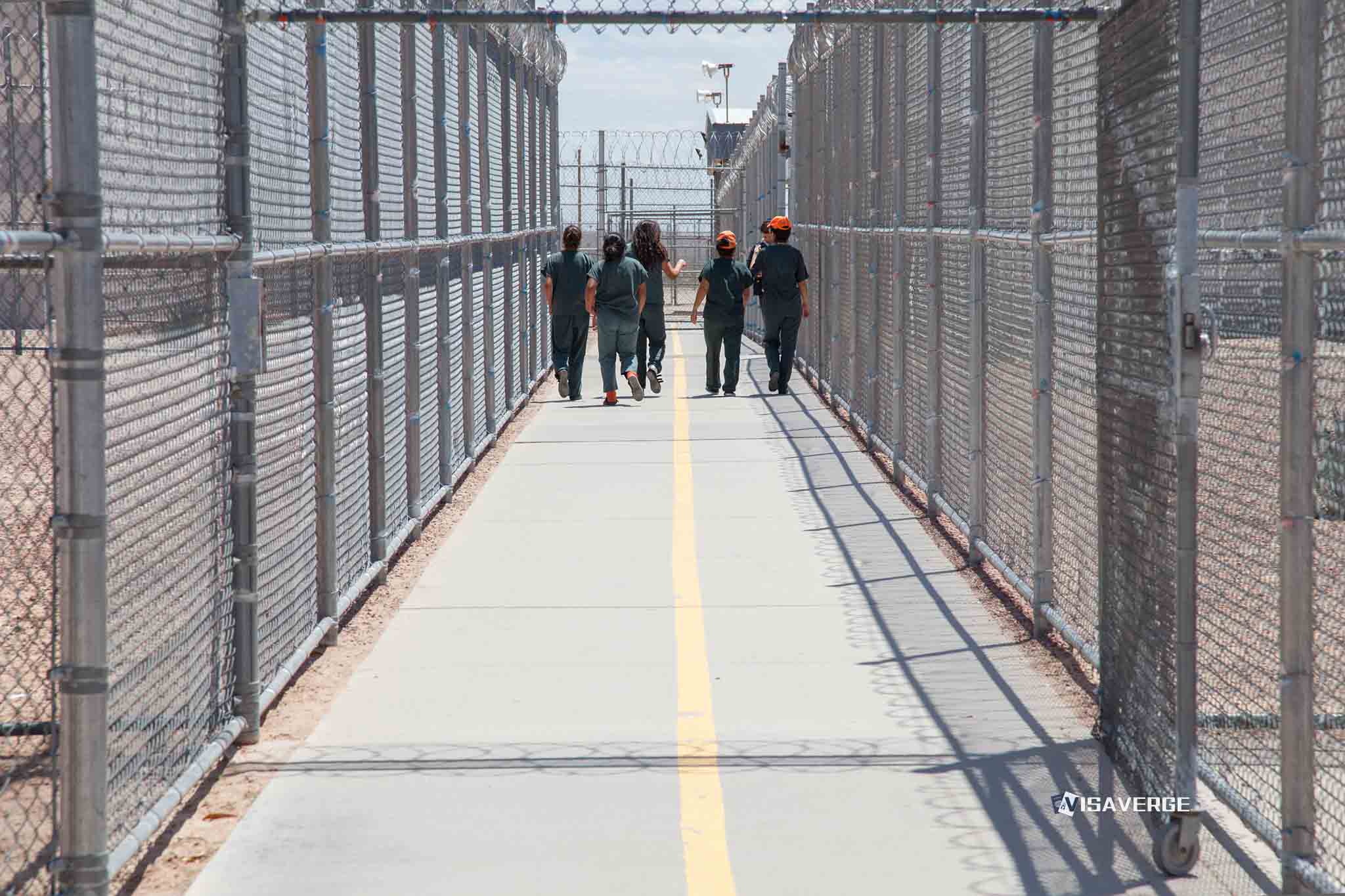
Lawyers and advocates described the shift as a response to packed detention centers, fewer pathways to release and a growing belief that court outcomes were deteriorating.
ICE held about 73,000 people in mid-January 2026, the highest ever recorded, a figure attorneys tied to worsening conditions and longer waits for meaningful progress in cases.
Voluntary departure, in the context of removal proceedings, allows someone to agree to depart the U.S. on their own rather than receive a deportation order, bringing the case to a close without litigating it to the end.
For detained immigrants, that choice can mean leaving detention sooner, even when they still want to remain in the U.S. and pursue relief.
“The conditions in the detention centers have never ever been worse because they’re so overcrowded,” said Jen Grant, supervising attorney at New York Legal Aid Society.
Christopher Kinnison, an attorney with 15 years in Louisiana, said clients increasingly believed “the likelihood of them winning their case is so much lower than it ever used to be.”
Court data cited by attorneys and advocates showed asylum outcomes moving in the same direction, with a sharper drop in late 2025 that coincided with intensified enforcement and growing detention.
Bond, another potential route out of custody, also looked less attainable to many detainees and their lawyers, who pointed to a changing legal landscape over detention authority and narrowing room for favorable rulings.
Policy under President Trump, as described by attorneys in detained dockets, framed detention as mandatory for illegal entrants, a posture they said stripped immigration judges of meaningful bond authority in many cases and altered how detainees assessed their odds.
Overcrowding and hardship inside facilities compounded the pressure, attorneys said, with people describing limited medical access, uncertainty about case timing, and the psychological toll of repeated setbacks.
Vilma Palacios, a 22-year-old from Honduras who had been in the U.S. since age 6, said she reached a point where leaving felt like the only way to regain her freedom.
Palacios graduated nursing school at Louisiana State University in May 2025, then ICE arrested her at a police station during a car inspection, despite her having no criminal record, she said.
ICE detained Palacios for 6 months in Basile, Louisiana, while she pursued an immigration case that she said traced back to an asylum matter that had been administratively closed when she was 12.
Her efforts to get released on bond failed, she said, and the emotional weight built with each passing week.
“Everything was taken from me, like being ripped apart from every person that I loved. It got to the point where I didn’t see that I had no other option but just to say, OK, just please give me my freedom back,” Palacios said.
Palacios voluntarily departed in late December 2025, ending her case from detention rather than continuing to fight while confined.
She described a detention environment in which people waited 2-4 weeks or months for medical care, and she said staff barred her from helping others despite her nursing training.
A DHS spokesperson said Palacios “freely admitted to being in the U.S. illegally” and “never sought or gained any legal status,” though she disputed that characterization and cited a pending work permit renewal.
Palacios said she still wanted to return to the U.S. to work in the profession she trained for. “My goal and dream is still to be a nurse in the United States,” she said.
Another detained immigrant, identified as U.G., a Mexican national still appealing, said the calculus became stark after more than a year in detention.
After 13 months detained, he said he felt relief when an immigration judge issued a deportation order because it offered an end point.
“I couldn’t fathom just continuing to sit there. I can sign and have them remove me in three days,” U.G. said.
U.G. also described fear that even a win could become a new limbo, saying he worried about ongoing government appeals if he were granted relief.
Attorneys said those kinds of perceptions can spread quickly inside detention centers, where people compare outcomes, trade information about judges and bond hearings, and watch others lose cases after long waits.
Grant said that dynamic eroded confidence and nudged people toward exit. “People have no hope. from seeing other people in court who fight their cases. and then they get denied,” she said.
The pressures unfolded alongside legal disputes over detention authority that shaped expectations about who might get a bond hearing and what it could yield.
In December 2025, a California district judge ruled DHS’s mandatory detention unlawful, a decision lawyers said carried high stakes for release prospects in detained dockets.
The chief immigration judge later addressed that ruling in a memo obtained by the American Immigration Lawyers Association, describing it as non-binding.
EOIR, which oversees immigration courts, said, “Immigration judges are independent adjudicators and decide all matters. on a case-by-case basis.”
Even with that statement of independence, attorneys said detainees paid close attention to signals from Washington and to enforcement posture, and they adjusted their expectations accordingly.
DHS has fired dozens of judges aligning against deportation agenda and has pushed third-country transfers for asylum seekers, actions lawyers and advocates said contributed to a broader sense that the system was tightening.
Outside detention-specific measures, the broader immigration court system continued to operate under a growing backlog, which attorneys said can translate into longer waits for hearings and decisions, a problem that bears down most heavily on those who remain locked up while they wait.
Advocates cautioned that comparisons between detained-case results and overall court completions can mislead, because detained dockets move differently, involve different populations, and can reflect detention policies rather than just the merits of cases.
They also pointed to uncertainty in measuring how many people leave through channels outside full court hearings, including expedited removals, which were excluded from the voluntary departure figures.
At the same time, estimates suggested voluntary exits exceeded normal levels in 2025, a pattern lawyers said matched what they were hearing from clients who had reached the end of their patience.
Attorneys working in detention said voluntary departures can function as a pressure valve for overcrowded facilities by allowing individuals to leave custody sooner, but they also read the trend as a warning sign about due process and the conditions driving people to abandon claims.
The choice, they said, is often less about a changed view of the U.S. and more about the immediate reality of detention: the wait for medical care, the strain of confinement, and the compounding fear that another month inside will still end in a loss.
For Palacios, the decision to depart did not close the door emotionally, even as it closed her case from detention.
“My goal and dream is still to be a nurse in the United States,” she said.