- Virgin Atlantic resumed Heathrow-Dubai flights on March 3 following partial Middle East airspace reopening.
- Over 9,500 cancellations occurred as airlines rerouted flights to avoid high-risk zones over Iran and Iraq.
- Full schedule normalization is expected by mid-to-late March if regional stability continues to improve.
(DUBAI) — Virgin Atlantic resumed flights from London Heathrow to Dubai on March 3, 2026, returning to one of the region’s biggest international hubs a day after Middle East airspace partially reopened following US and Israeli strikes on Iran.
The restart made Virgin Atlantic one of the first international carriers to move back into Dubai as access to parts of Middle East airspace began to return, alongside Gulf airlines such as Emirates and Etihad. Dubai’s role as a major onward transit point helped make the decision a visible test of traveler confidence and international connectivity.
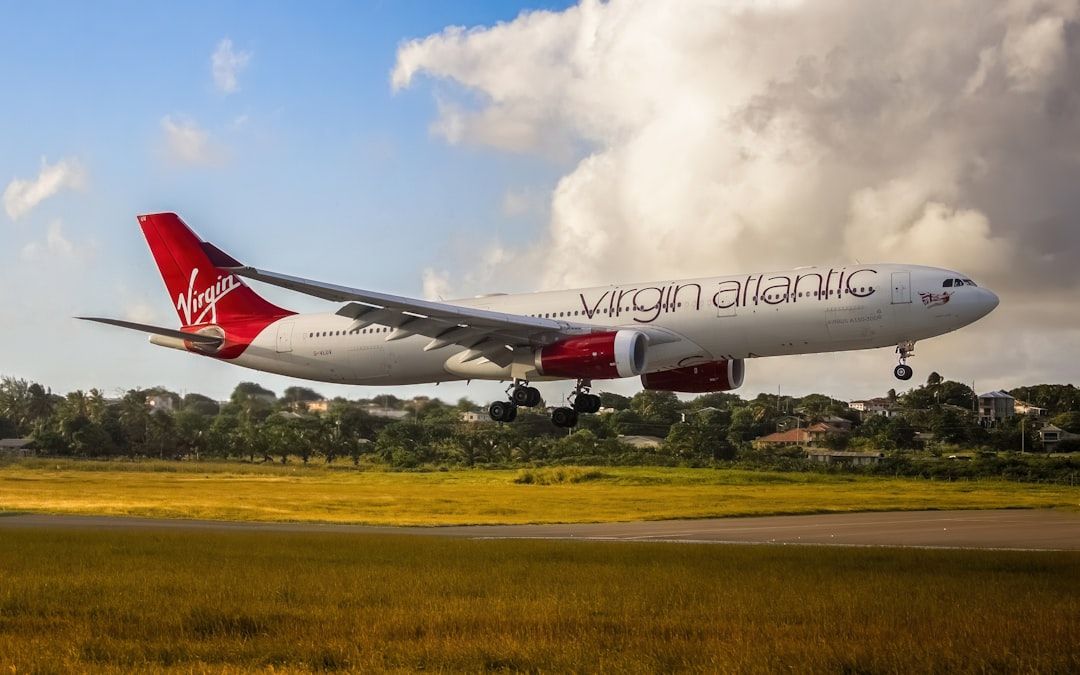
Virgin Atlantic framed the move as a cautious resumption, with ongoing monitoring for safety as the situation remained volatile. The airline also relaunched service to Riyadh, reflecting an approach built around selective route returns rather than a broad restoration.
Airlines across the region suspended or rerouted flights when airspace closures spread over Iran, Iraq, Syria and Israel after the strikes, setting off widespread disruption. The closures forced longer routings around restricted zones and squeezed available corridors, turning flight planning into a moving target for network carriers and short-haul operators alike.
The disruption affected thousands of passengers, with over 9,500 cancellations reported. The immediate impact showed up in uneven schedules, shifting rebooking demands, and aircraft and crew rotation challenges that can linger even after airspace begins to reopen.
Virgin Atlantic brought back its Heathrow-Dubai operation and its Riyadh route after temporary cancellations, using Airbus A330 aircraft and adjusted routings that add flight time to avoid high-risk zones. Early flights in the first days of the restart were managed on a near-term basis, with the carrier watching conditions and routing access.
Services on March 4 were on track, and the airline’s near-term schedule included a Muscat-London flight set to depart at 2:30am local time on March 5 via open Omani airspace. The early pattern highlighted how the return of Middle East airspace access could remain fragmented, with carriers relying on specific open corridors while other areas stayed off limits.
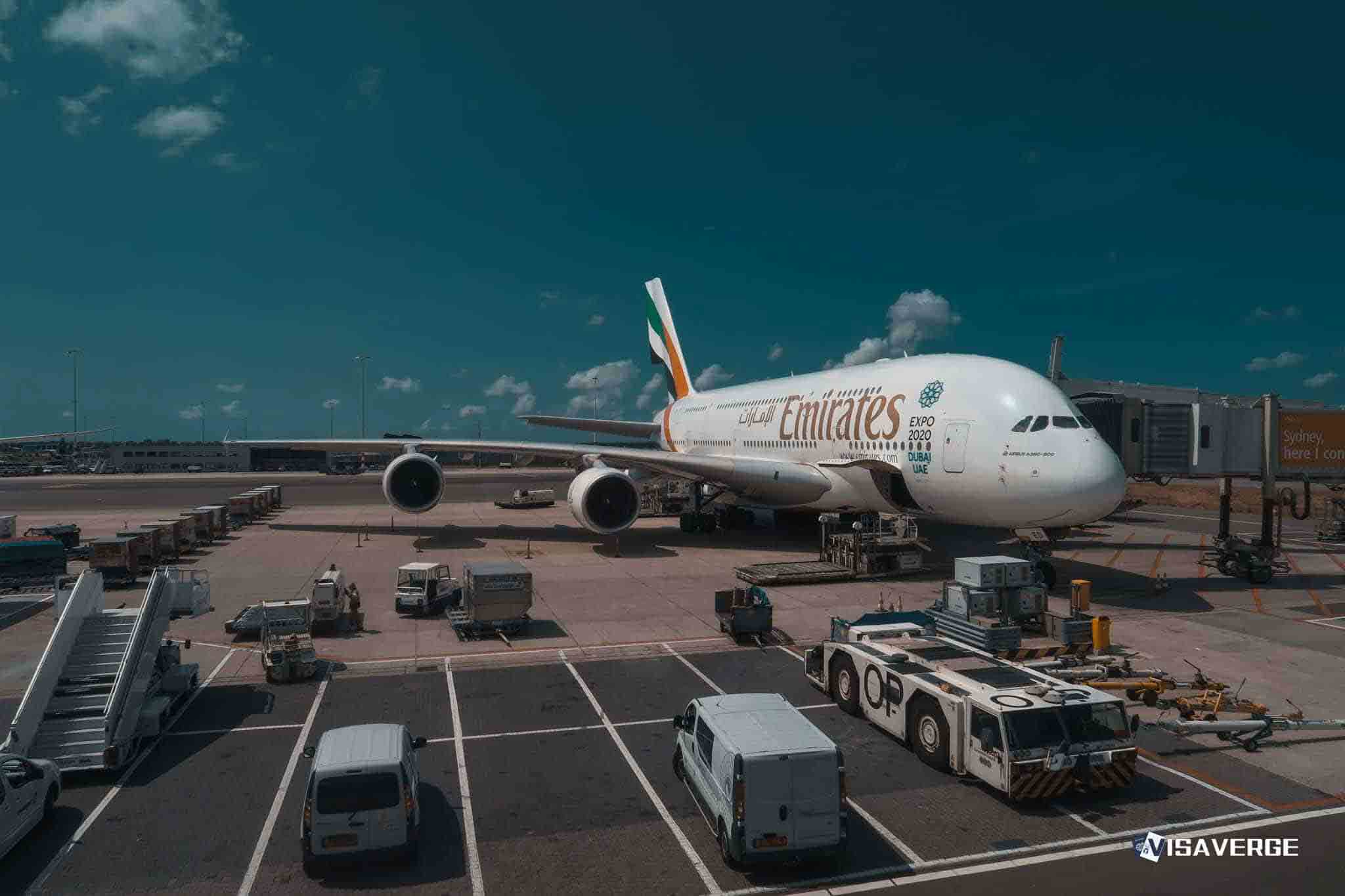
Gulf carriers led the patchwork return to service, reflecting both their scale in the region and the operational need to restore links from key hubs such as Dubai. Emirates resumed limited flights from Dubai (DXB) on March 2 evening and prioritized passengers with confirmed bookings on select routes, including to Delhi and Mumbai.
Etihad began some operations from Abu Dhabi on March 4 but kept most commercial flights canceled, illustrating how a partial restart did not translate into broad network recovery. Flydubai also re-entered the market as limited operations resumed, adding to capacity in a region where flight availability remained uneven by destination and timing.
Other airlines maintained longer suspensions, underscoring that restoration still differed sharply by operator. Finnair suspended flights to Doha and Dubai until March 29, while Oman Air suspended flights to multiple cities until March 6. Qatar Airways suspended flights until March 6, and Air Arabia suspended flights until 3pm UAE time on March 4.
Virgin Atlantic’s return signaled what officials and airlines treated as a tentative reboot rather than a full normalization of air travel across the region. Airlines commonly restart some services while keeping others paused because risk assessments can vary by routing, and because aircraft and crews may not be positioned where they are needed after days of cancellations and diversions.
Even when airspace partially reopens, carriers can face practical constraints that slow a full ramp-up, including the need to validate routings that avoid higher-risk zones and to rebuild sequences of inbound aircraft rotations. The source described those dynamics through operational choices such as longer routings to skirt restricted areas and the use of Airbus A330 aircraft for flexibility.
Virgin Atlantic set out flexibility options for customers affected by disruptions, offering free changes for London-Abu Dhabi, Amman, Bahrain, Doha, Dubai and Tel Aviv flights up to March 15, departing by March 29. Royal Jordanian offered similar flexibility from February 28, and Etihad offered flexibility for tickets up to March 7.
The source linked the safety-driven pace of decisions to dynamic risks and directives, citing recent Riyadh drone activity as part of the risk picture airlines had to monitor. The result, it said, was a restart that could move forward on certain routes and days, while remaining highly dependent on real-time conditions and access to open corridors.
Even if conditions stabilize, the backlog from days of disruption can persist in schedules and bookings, the source noted, pointing to past experience. A prior June 2025 Iran closure took 12 days to stabilize plus 5-7 for bookings, and the source described this crisis as 4-5 times the impact.
On that comparison, the source said the disruption pointed to mid-to-late March normalization at earliest, giving an example range of March 17-20 for DXB full schedules under optimistic de-escalation by March 6-7. The same assessment cautioned that the recovery path still depended on whether airspace reliability returned in practice, not only on partial reopening announcements.
Travel agents cited in the source reported demand for flexible tickets and war-exclusion insurance, and they saw a low probability for a quick resolution given escalations. Virgin Atlantic directed stranded passengers to register as “Away From Home” for prioritized support and told travelers to follow FCDO advice in UAE, as airlines and passengers tracked day-to-day updates tied to Middle East airspace access.