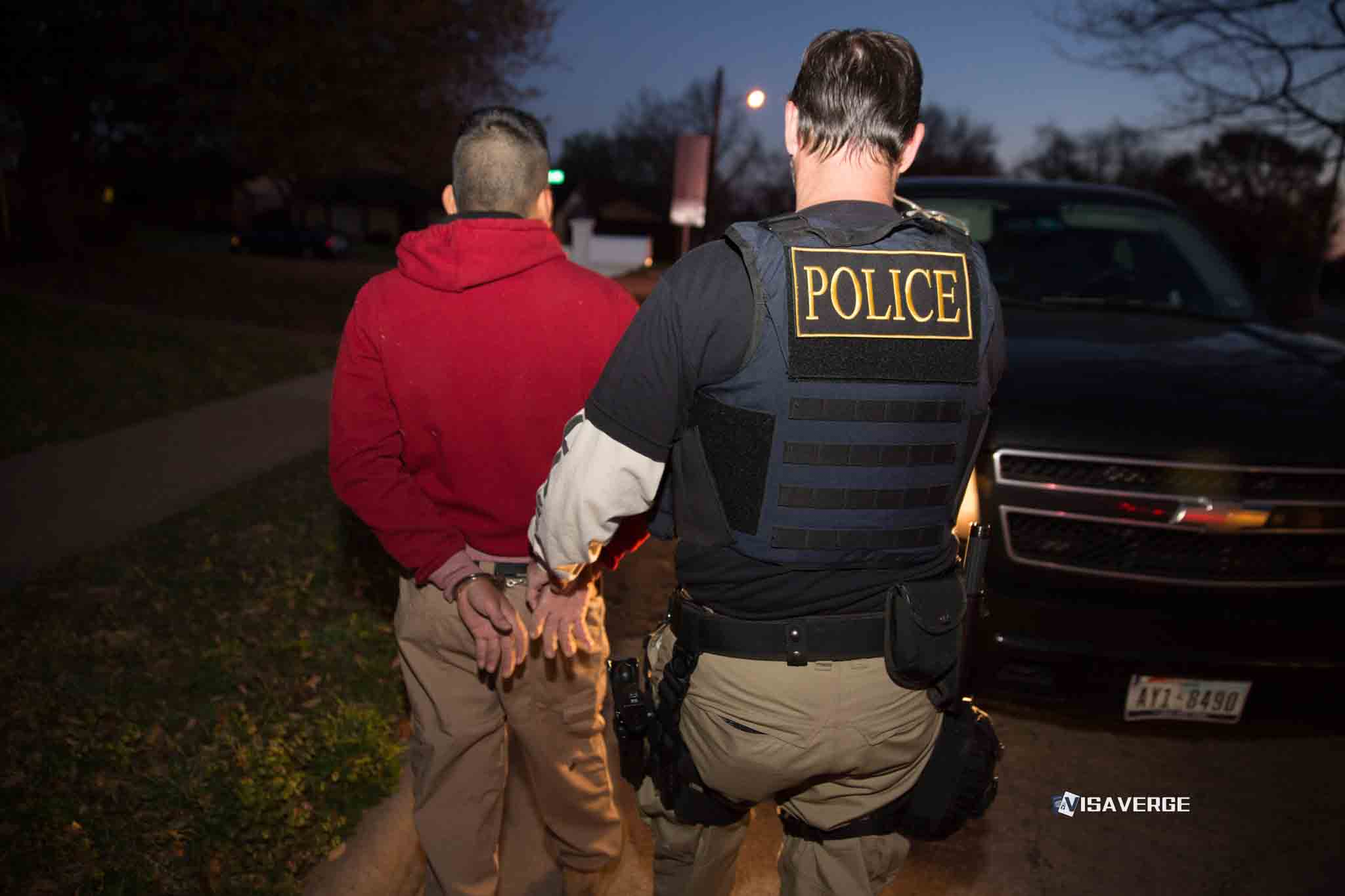
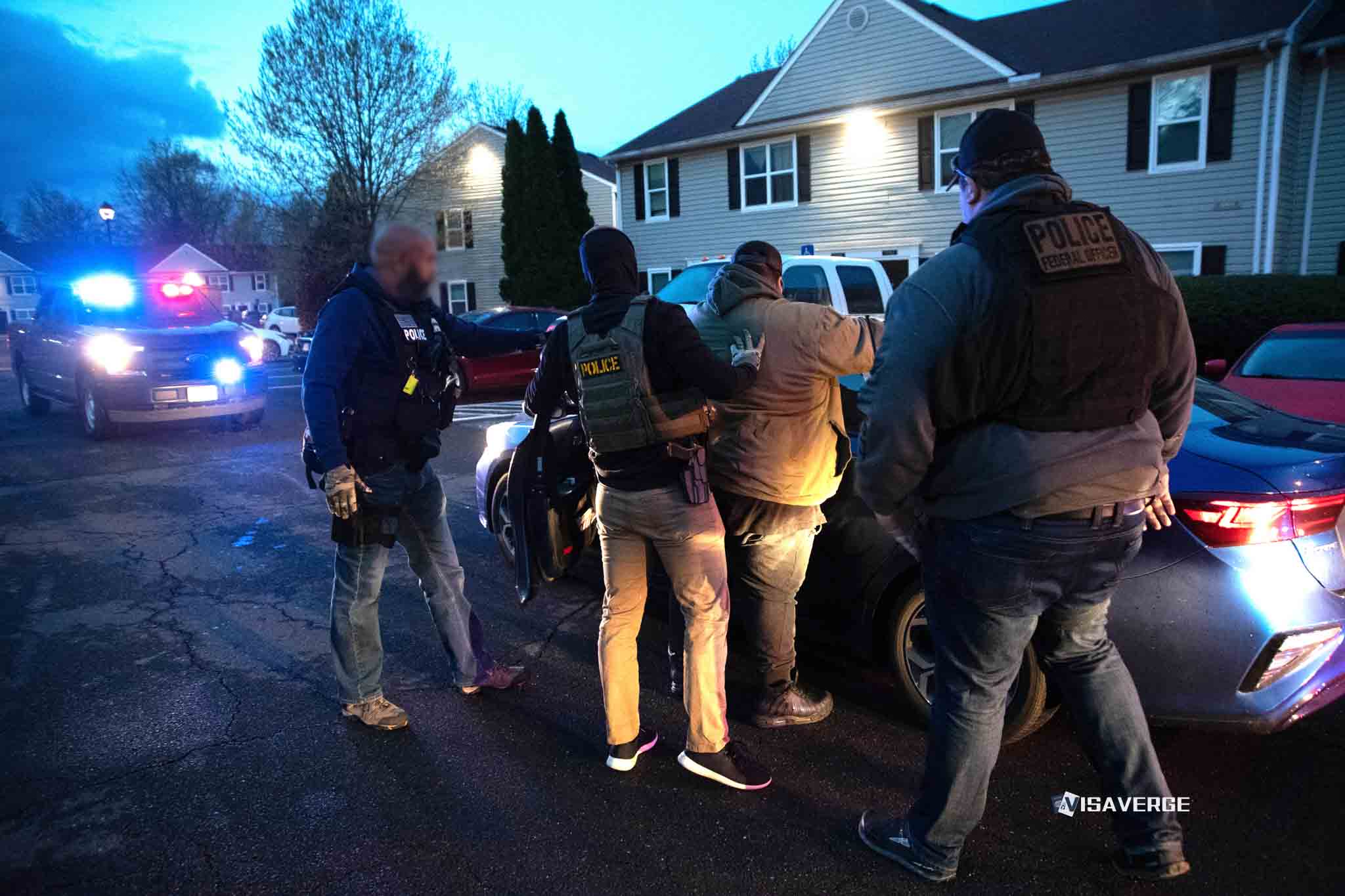
(SALT LAKE CITY, UTAH, UNITED STATES) — U.S. Immigration and Customs Enforcement agents arrested Marta Brizeyda Renderos Leiva at Salt Lake City International Airport on October 29, 2025, an operation that has reshaped how immigrant families and attorneys in Utah approach air travel.
ICE said Renderos Leiva, 39, “was arrested during a targeted enforcement operation Oct. 29, 2025, at the Salt Lake City International Airport and will be held in ICE custody pending her removal to El Salvador.”
The arrest and immediate context
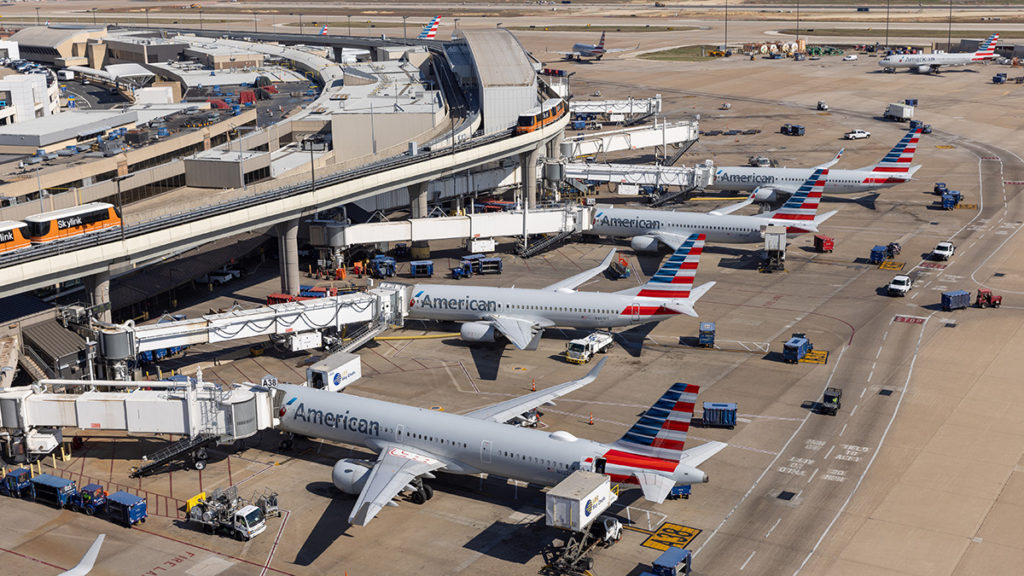
The arrest was carried out in the airport’s pre-security baggage claim area. Local advocates and legal experts treated the operation as a turning point, warning that domestic airports have become high-risk places even for people who hold federal work permits.
ICE’s full statement on October 30, 2025, repeated in part:
“Marta Brizeyda Renderos Leiva, 39, is an illegal alien from El Salvador, who entered the U.S. in 2007. She was given a final order of removal in absentia Feb. 19, 2020. She was arrested during a targeted enforcement operation Oct. 29, 2025, at the Salt Lake City International Airport and will be held in ICE custody pending her removal to El Salvador. U.S. Immigration and Customs Enforcement is executing its mission of identifying and removing criminal aliens and others who have violated our nation’s immigration laws. All aliens in violation of U.S. immigration law may be subject to arrest, detention and, if found removable by final order, removal from the United States, regardless of nationality.”
The arrest location—a public, pre-security terminal area—became central to local officials’ description of their limited ability to intervene and to families’ anxiety. Local police are present in that area but are federally prohibited from interfering with ICE operations.
Local government response
Salt Lake City Mayor Erin Mendenhall condemned the operation a day after the arrest, after reviewing surveillance and body-camera footage she said showed plain-clothed ICE agents detaining a woman near baggage claim.
“Last night, I was made aware of an incident at the Salt Lake City International Airport where multiple plain-clothed ICE agents approached, forcibly detained, and removed a woman near the baggage claim area. I am left wondering and aching from the fear and pain these types of operations keep striking in my heart and the hearts of so many of us. Why did they choose the lobby of the airport—the gateway to our state—where some 28,000 people enter every day? What I do know is that nothing about this incident, like so many ICE operations, makes me feel safer as an American,” Mendenhall said on October 30, 2025.
Timeline of key developments
- 2007 — ICE says Renderos Leiva entered the U.S.
- Feb. 19, 2020 — ICE says a final order of removal was issued in absentia.
- Oct. 29, 2025 — Arrest at Salt Lake City International Airport (pre-security baggage claim).
- Oct. 30, 2025 — ICE statement reiterating enforcement rationale; Mayor Mendenhall’s public condemnation.
- Dec. 28, 2025 — Homeland Security Secretary Kristi Noem’s national enforcement statement.
- By Jan. 6, 2026 — Local attorneys expand travel advisories to include asylum seekers, DACA recipients and people with work permits.
Conflicting administrative actions: work permit vs. removal order
The case drew particular attention because U.S. Citizenship and Immigration Services (USCIS) had recently renewed Renderos Leiva’s Employment Authorization Document (EAD) — valid until 2029 — even though ICE said she had a final order of removal from 2020. Her attorney claimed the 2020 order was sent to an incorrect address.
An ICE spokesperson, responding about the work permit on October 30, 2025, said:
“Work authorization doesn’t confer legal status. The final order of removal makes her illegally present.”
This exchange highlighted a perceived systemic gap between agencies that administer immigration benefits (USCIS) and agencies that execute removals (ICE), and how that gap can leave individuals believing they are in “good standing” because they possess valid federal work documents.
Impact on travel and community behavior
By early January 2026, immigration attorneys in Utah were advising clients with pending status to avoid non-essential domestic flights, describing a sharp “before and after” shift in risk perception. As of January 6, 2026, this guidance had expanded to include:
- asylum seekers
- DACA recipients
- people with work permits
Reports from late 2025 also indicated increased data sharing between the Transportation Security Administration (TSA) and ICE, enabling agents to identify passengers with outstanding removal orders from airline manifests. That reporting placed new focus on the intersection between routine airline travel and immigration enforcement.
Community members and organizers reported that fear tied to visible enforcement spilled beyond the airport:
- Attendance at some traditional Latino community events reportedly dropped by as much as 60% at New Year’s celebrations.
- Accounts described an uptick in secondary screenings at Salt Lake City International Airport involving naturalized citizens and permanent residents, contributing to a broader climate of anxiety.
- The reports did not quantify frequency of these secondary screenings but framed them as part of a wider change in traveler experience.
Why airports matter in enforcement strategy
Attorneys described airports as uniquely difficult places for risk management because travel requires:
- presentation of identity documents,
- movement through controlled spaces,
- interaction with federal systems tied to passenger screening.
The arrest near baggage claim—rather than at a border crossing or detention facility—was significant to local officials and community members who view the terminal as unavoidable for family reunions, emergencies and work travel. The airport was described repeatedly as the “gateway” to Utah, where roughly 28,000 people enter daily.
National framing and federal rhetoric
Nationally, the arrest unfolded amid promotions of broader enforcement actions. In a statement dated December 28, 2025, Homeland Security Secretary Kristi Noem said:
“Under President Trump’s leadership, we are making America safe again and putting the American people first. In record time, we have secured the border, taken the fight to cartels and arrested thousands upon thousands of criminal illegal aliens. Though 2025 was historic, we won’t rest until the job is done.”
ICE’s October 30 statement similarly framed the operation as part of its enforcement mission, emphasizing:
“All aliens in violation of U.S. immigration law may be subject to arrest, detention and, if found removable by final order, removal from the United States, regardless of nationality.”
Legal and practical consequences
The case remained a reference point into January 2026 for discussions about:
- limits of local authority at federally controlled facilities,
- the role of airline manifests in enforcement targeting,
- consequences for immigrant communities when a single operation reverberates through everyday decisions.
Attorneys incorporated the possibility of enforcement encounters into routine client counseling, and the airport arrest was repeatedly cited when weighing travel guidance for clients with pending immigration matters — including those who carried work permits or other federal documents.
Key takeaways and community concerns
- The airport arrest highlighted a discrepancy between possession of federal documents (like an EAD) and exposure to enforcement when a final removal order exists.
- The public setting of the arrest amplified concerns about where enforcement can occur, and how it affects routine life for immigrant families.
- Local authorities emphasized their limited ability to intervene in federally controlled airport operations.
- The incident produced widespread anxiety, lower participation in community events, and changes in legal counsel around travel.
Mendenhall’s statement — repeated after the arrest — encapsulated local sentiment:
“I am left wondering and aching from the fear and pain these types of operations keep striking in my heart and the hearts of so many of us.”
ICE’s arrest of Marta Renderos Leiva at a public airport terminal in 2025 has created a crisis of confidence for Utah’s immigrant community. The case reveals that valid work permits do not protect individuals from deportation if a prior removal order exists. Local officials remain critical of federal tactics in public spaces, while attorneys warn that data sharing between TSA and ICE makes air travel high-risk.