- 01The U.S. Embassy issued an urgent alert for citizens to leave Venezuela immediately due to armed militia activity.
- 02Reports indicate ‘colectivos’ are setting up roadblocks to target individuals with U.S. ties following military operations.
- 03Venezuela remains at Travel Advisory Level 4, citing extreme risks of wrongful detention and lack of emergency services.
(VENEZUELA) — The U.S. Embassy Caracas, which has suspended operations, issued a security alert on January 10, 2026 urging Americans to leave Venezuela and warning others not to travel there, citing reports of armed pro-government militias targeting people they suspect have U.S. ties.
The alert, titled Security Alert: “Do Not Travel to Venezuela; Depart Immediately.”, aligns with the state department’s Level 4: Do Not Travel advisory for Venezuela, last reissued on December 3, 2025 with no changes.
“U.S. citizens in venezuela should leave the country immediately,” the embassy alert said. “Do not travel to Venezuela.”
The U.S. Department of State’s Bureau of consular affairs also posted on X on January 10 that U.S. citizens in Venezuela “should leave the country immediately.”
U.S. officials tied the warning to reports of armed groups known as “colectivos” operating on roads. “There are reports of groups of armed militias, known as ‘colectivos,’ setting up roadblocks and searching vehicles for evidence of U.S. citizenship or support for the United States,” the embassy alert said.
Bureau of Consular Affairs echoed that language and said the security situation “remains fluid,” while repeating the reports that colectivos are “setting up roadblocks and searching vehicles for evidence of U.S. citizenship or support for the United States.”
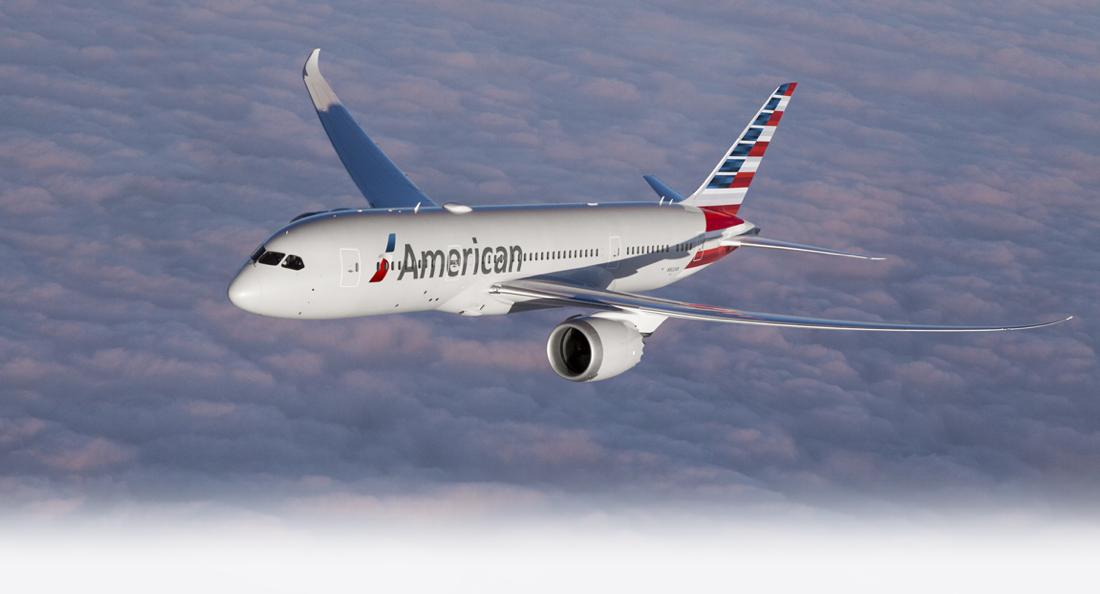
Americans were advised to remain vigilant and exercise extreme caution when traveling by road. U.S. citizens were also told to closely monitor airline communications.
The heightened warning followed events earlier this month that rattled Venezuela’s political and security environment. On January 3, 2026, more than 200 U.S. special operations forces carried out “Operation Absolute Resolve” in Caracas, capturing Venezuelan ruler Nicolás Maduro and his wife Cilia Flores.
Two days later, UN Secretary-General António Guterres told the Security Council on January 5, 2026 that “US forces were active across Caracas and in the northern states of Miranda, Aragua, and La Guaira” on January 3, and that the Venezuelan government has characterized this as “a military aggression.”
Following Maduro’s capture, interim President Delcy Rodríguez invoked an emergency decree across Venezuela on January 3, expanding security powers.
The U.S. warning sits within the State Department’s top-tier travel guidance for Venezuela. The country is listed at Travel Advisory Level 4: Do Not Travel, the highest level.
In its risk warnings, the U.S. government cited wrongful detention and torture in detention, as well as terrorism, kidnapping, arbitrary enforcement of local laws, crime, civil unrest, and poor health infrastructure.
The State Department’s December 3, 2025 travel advisory said: “Do not travel to or remain in Venezuela” and added that “All U.S. citizens and Lawful Permanent Residents in Venezuela are strongly advised to depart immediately.”
That advisory also described the risk of detention in blunt terms. “The Department has determined there is a very high risk of wrongful detention of U.S. nationals in Venezuela. Security forces have detained U.S. citizens for up to five years without respect for due process,” it said.
The embassy’s new message also underscored limits on U.S. government support for Americans who remain in the country. The State Department withdrew all U.S. diplomatic personnel from Embassy Caracas on March 11, 2019, suspending operations.
“the U.S. government continues to be unable to provide emergency services to U.S. citizens in Venezuela.”
Any limited assistance is routed via the U.S. Embassy in Colombia, with no in-country consular services available in Venezuela itself.
The embassy alert pointed to an opening that U.S. officials said could help Americans depart. With international flights resuming, “U.S. citizens in Venezuela should leave the country immediately,” the embassy said.
U.S. officials also reminded travelers that all nonstop flights between the United States and Venezuela remain suspended under a U.S. Department of Transportation order based on security concerns.
The guidance urged Americans to rely on commercial flights or other commercial options still operating from Venezuela to third countries when it is safe. It also told travelers to closely follow airline notices and be prepared for sudden changes.
U.S. warnings extended beyond airports to routes out of the country by land. Americans were told to avoid border areas, especially within 50 miles of the Colombia–Venezuela border, described as “extremely dangerous.”
That border-area warning included the risk of detention and serious charges, including terrorism, against those suspected of entering illegally.
The January 10 messaging also drew attention to the broader travel advisory framing around Venezuela, which officials have kept at the highest level. Bureau of Consular Affairs, in a post on X quoted by Xinhua, said: “Venezuela has the highest Travel Advisory level — Level 4: Do Not Travel — due to severe risks to Americans, including wrongful detention, torture in detention, terrorism, kidnapping, arbitrary enforcement of local laws, crime, civil unrest, and poor health infrastructure.”
For Americans still in Venezuela, U.S. officials’ message was direct and repeated across channels: leave Venezuela immediately, watch for rapid changes, and avoid dangerous roads and border regions as reports of colectivo roadblocks circulate.