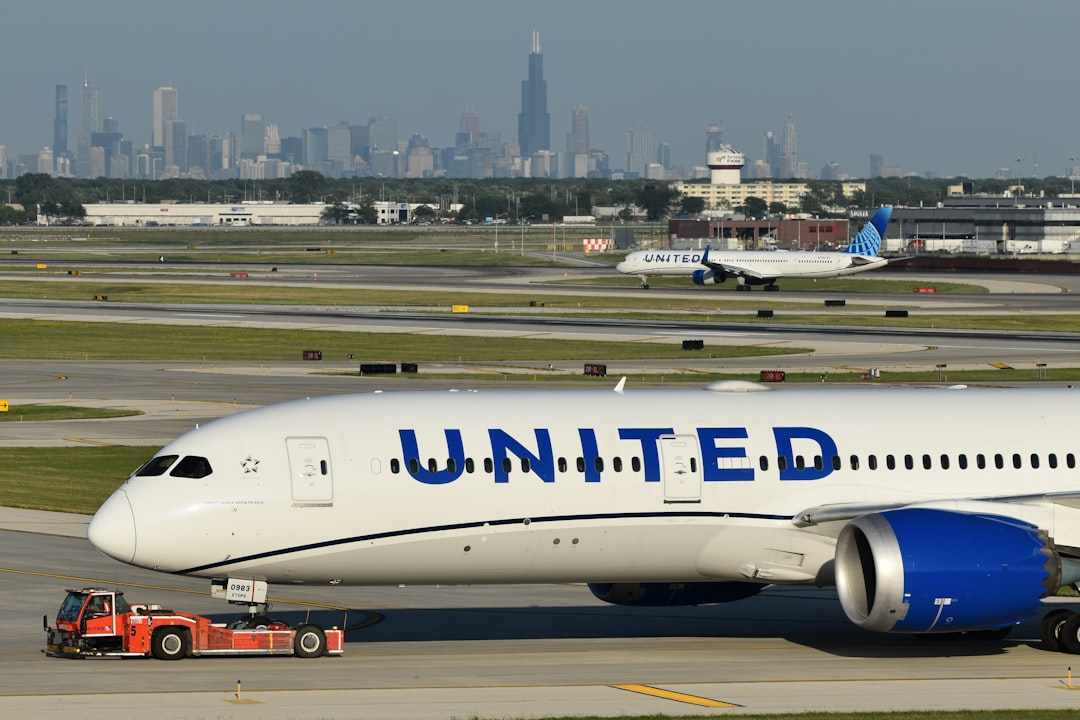
(VIRGINIA) United Airlines dominates Washington Dulles International Airport, and that dominance is now at the center of a major effort to remake a facility that former President Donald Trump once called “terrible.” With a 70% market share at IAD, United controls most flights in and out of the airport, giving the carrier an outsized role in how one of the Washington region’s main international gateways will look and feel for years to come — especially for foreign nationals arriving with visas and other immigration documents.
The modernization program: scope and goals
The changes come as Dulles moves ahead with a $1.1 billion terminal modernization program that airport officials say is meant to improve the passenger experience, speed up connections, and update facilities that have drawn complaints for years.
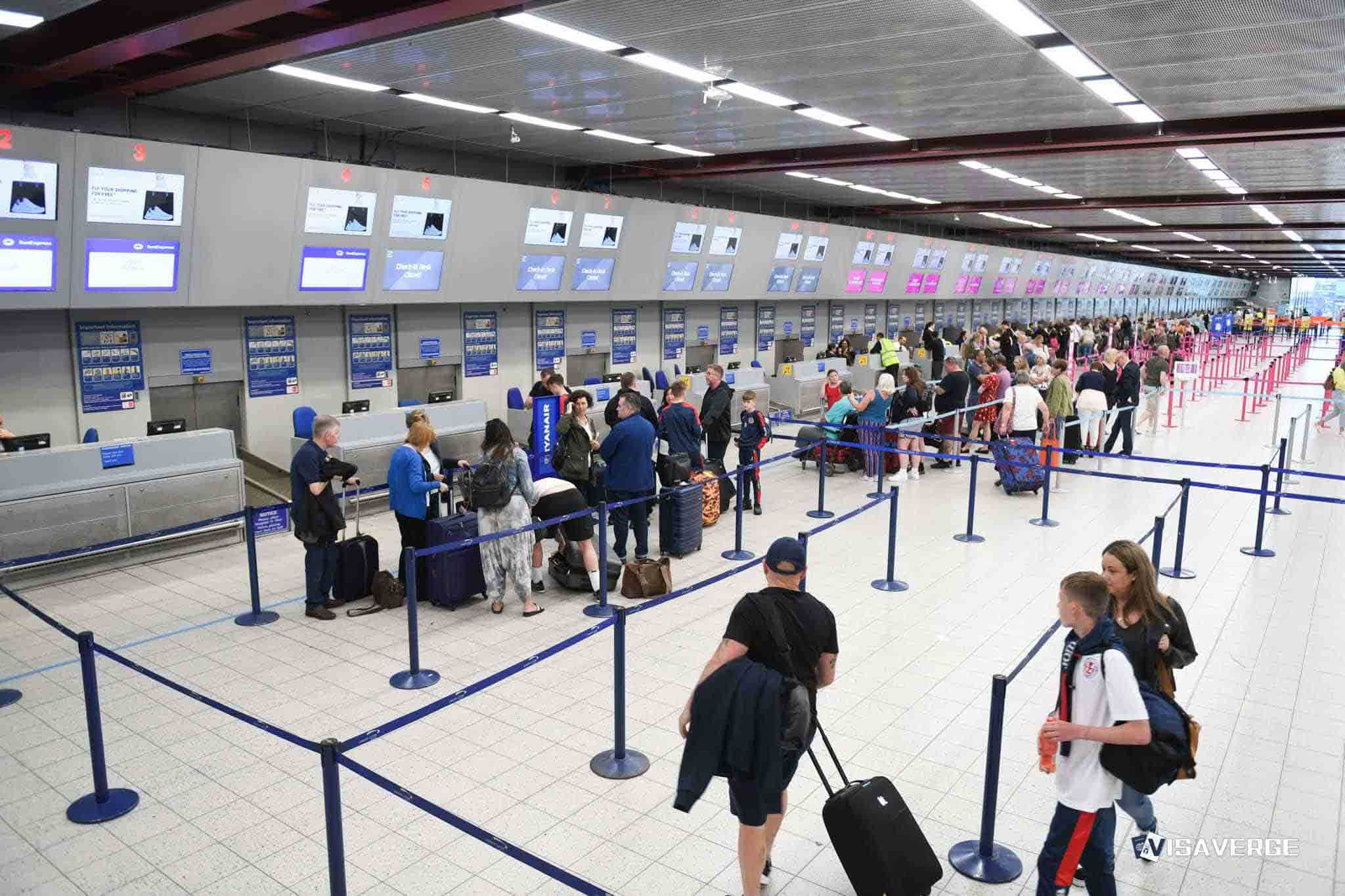
For many new arrivals to the United States, IAD is the first impression of the country. Long lines, dated concourses, and confusing layouts have shaped that first impression in ways local leaders and federal agencies now want to change. Trump’s description of Dulles as “terrible” captured frustrations shared by many travelers and helped put extra pressure on the airport to deliver something better.
Why this matters for immigrants and international visitors
For immigrants and international visitors, the stakes are especially personal. Families landing with immigrant visas, students holding F‑1 approvals, and workers arriving on H‑1B or L‑1 status often spend their first hours on U.S. soil in immigration and customs halls at IAD.
If United Airlines dominates flight options, the airport’s physical setup and staffing shape everything else:
- Where people queue to show passports and visas
- How quickly they clear inspection
- How easily they make tight domestic connections to reach their final home or job
According to airport officials, the terminal modernization is designed to support smoother flows across the entire journey, from check‑in to boarding. That includes upgrades that should indirectly help immigration processing by reducing congestion before travelers even reach federal checkpoints.
“While U.S. Customs and Border Protection controls the actual inspection process, airport design heavily influences how crowded those areas become.”
Official guidance from U.S. Customs and Border Protection continues to remind visitors to be ready with their passports, visas, and Form I‑94 arrival records; a better‑organized terminal can make it easier to keep documents in order rather than juggling them in cramped, poorly designed spaces.
Design changes and expected traveler benefits
A key part of the project is modernizing aging concourses and support systems that date back decades. Frequent flyers have long criticized the airport’s layout, including the reliance on mobile lounges and mid‑field concourses that can feel like a maze to someone stepping off a transatlantic flight after an overnight journey.
Officials say the new design aims to offer:
- Clearer wayfinding
- More direct paths between gates
- Improved holding areas for international arrivals
- Better support areas for transfers and tight connections
For travelers worried about missing a domestic connection after a slow immigration line, even small gains in efficiency matter.
Competition, airline strategy, and traveler choice
While United’s heavy presence gives it clout in how these changes roll out, the airport authority has its own strategic priorities. Leaders at Dulles want more airlines to compete with United, both on domestic and international routes, and are actively working to attract new carriers.
Benefits of increased competition could include:
- More choice in fares and schedules
- More nonstops to global cities
- Easier travel for family visits, asylum seekers traveling from third countries, and students matching university start dates
United, for its part, continues to add routes and increase frequencies from IAD, seeking to cement the airport as a core East Coast hub for global travel. The airline is investing in new gates, lounges, and customer service areas that will sit inside the modernized terminal.
- For status holders and premium passengers: quieter spaces, lounges, and faster support for visa‑related document checks at boarding.
- For economy passengers and many new immigrants: the focus remains on efficient transfers, clear information, and minimizing delays rather than luxury services.
Technology, baggage, and practical impacts
The promised passenger experience upgrades go beyond cosmetic changes. The airport is investing in improved baggage systems and updated technology.
Why that matters for immigrants:
- Many travelers carry important original documents (marriage certificates, academic transcripts, job offer letters).
- Better baggage handling reduces the risk of delay or loss that could complicate meetings with employers, schools, or immigration lawyers.
- Clearer signage and more multilingual information screens help travelers who are still learning English feel more confident moving through the airport.
Transition pains and realistic expectations
Even with substantial work planned, the transition period is unlikely to be smooth for everyone. Construction often brings:
- Temporary gate changes
- Longer walking distances
- Noise and visible work zones
These conditions can be especially hard on travelers arriving after long haul flights or those traveling with young children or elderly relatives. Families flying in for green card activation interviews, or returning after consular processing abroad, may find the airport looks and feels like a worksite for several years.
Officials have not provided detailed timelines in the source material, but they acknowledge that upgrades will take time and may cause short‑term inconvenience even as they aim for long‑term gains.
Bigger-picture implications for immigration and international travel
Immigration lawyers in the Washington region say the changes at Dulles echo broader patterns in the travel and airline industry, where big carriers focus heavily on their main hubs.
- Hub choices can influence where embassies, consulates, and international organizations expand services.
- A dominant carrier’s scheduling decisions can affect family reunifications, refugee movements, and corporate access to specialized workers.
Analysis by VisaVerge.com notes that when a single airline controls most of the traffic at an international gateway, its scheduling decisions can have far‑reaching effects on global mobility.
Entry requirements still control outcomes
Travelers still have to meet all U.S. entry rules, regardless of how modern the building looks. That means ensuring:
- Visas are properly issued
- Passports are valid
- Entries are accurately recorded on documents such as Form I‑94 for most non‑immigrants
But the conditions in which those checks take place can shape the mood of the entire arrival. A well‑lit, clearly signed, and less crowded terminal can reduce stress for both visitors and officers making important decisions about admission, secondary inspection, and length of stay.
Where things stand now
For now, Dulles is moving ahead with its large‑scale rebuild while United Airlines dominates the schedule boards and boarding gates. The question for many immigrants, students, workers, and visiting family members is whether this mix of terminal modernization, new routes, and slowly increasing competition will finally change the way IAD feels on arrival and departure — shifting it from a “terrible” symbol of outdated travel to a more welcoming front door to the United States.
United Airlines’ roughly 70% share at Dulles gives it major influence over a $1.1 billion terminal modernization. The plan targets better passenger flows, clearer wayfinding, upgraded baggage systems, and improved holding areas—changes that could ease immigration processing and make transfers faster for immigrants, students, and workers. Airport officials also aim to attract more airlines to increase competition. Construction may cause short-term disruptions, but leaders expect long-term service, connectivity, and traveler experience improvements.