- The Home Office published its seven-step FIRS registration guide on 31 July 2026, a 21-page walkthrough of the online service.
- Political influence tier arrangements must be registered within 28 calendar days, with a maximum sentence of 2 years imprisonment and/or a fine.
- Enhanced tier arrangements with Russia or Iran must be registered within 10 calendar days, or before the activity happens, with a maximum of 5 years.
Anyone in the UK acting at the direction of a foreign government now has a written Home Office manual telling them how to declare it, and a maximum five-year prison sentence waiting if they do not. The Home Office published the Foreign Influence Registration Scheme step-by-step guide to registering on 31 July 2026, a 21-page document covering seven stages, from opening an account to what a caseworker does with the filing.
The scheme is not new. FIRS sits in Part 4 of the National Security Act 2023 and came into force on 1 July 2025. What was missing was a plain-language walkthrough of the online service.
Free toolUSCIS Receipt Number DecoderThe penalties split by tier. An offence under the political influence tier carries up to 2 years imprisonment and/or a fine. An offence under the enhanced tier carries up to 5 years. Both tiers also criminalise failing to update a registration within 14 days of a material change, ignoring an information notice, and supplying false or misleading information.
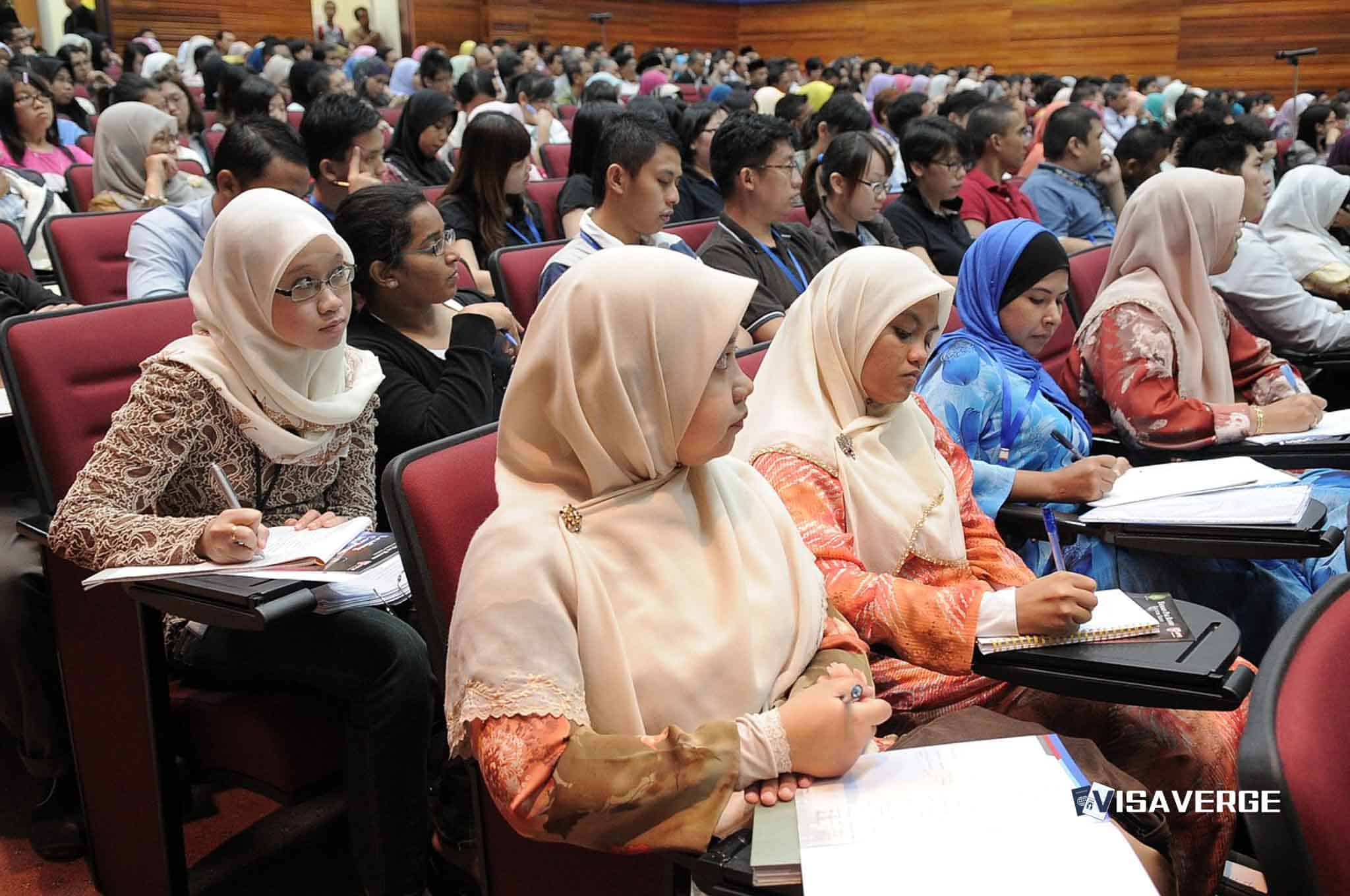
FIRS is not aimed only at lobbyists. It reaches individuals, companies, universities, charities and community organisations, and it applies to staff and students alike. A foreign national on a state scholarship, a UK employer taking a contract from a state agency, or a diaspora group acting on embassy instructions can all fall inside it without ever thinking of themselves as an agent of influence.
What the 31 July guide actually adds
The document is procedural, not legal. It sets out how to create an account, how to verify identity through GOV.UK One Login and upload an ID document, and how an organisation appoints a Senior Responsible Officer. It also states what a compliant answer looks like: entries such as “I communicate with the Government to influence policy” or “I sell goods and services” will not meet the minimum standard.
Each registration has three parts, a registrant, an arrangement and an activity. Registration counts as complete the moment it is submitted, and the guide is explicit that there is no need to wait for the Home Office Case Management Team to finish processing before starting the activity. One rule cuts the other way: where an arrangement with a specified foreign power involves both political influence activities and other activities, the registrant must file two separate registrations sharing a single arrangement record.
Two tiers, two clocks, two prison terms
The political influence tier applies to arrangements with any foreign power to carry out political influence activities in the UK. The enhanced tier applies only to foreign powers the government has formally specified, and it catches far more conduct on a shorter clock.
Arrangements predating the scheme were not exempt. Ongoing arrangements entered into before 1 July 2025 had to be registered by 1 October 2025. Anything formed after that date runs on the 28-day or 10-day clock with no grace period.
Only two states are on the enhanced list
The enhanced tier covers Russia and Iran and nothing else. For Russia the specification is wide: the President in a public capacity, the Government of Russia and all its agencies including every Ministry, the armed forces, the FSB, the GRU and the SVR, the Federal Assembly, the judiciary, and four political parties including United Russia. For Iran it runs from the Supreme Leader in a public capacity and the Supreme Leader’s Office through all Ministries, including the Ministry of Intelligence and Security, and the armed forces including Artesh and the Islamic Revolutionary Guard Corps.
The decisive detail is what counts as a relevant activity for those two states. Home Office guidance says it means any activity, expressly including commercial, media, charitable and academic work. Nothing has to be political. That is why the enhanced tier reaches ordinary contracts and university research in a way the political influence tier does not. Britain is not alone here, and readers can compare the approach taken when Georgia toughened its own foreign influence and immigration laws.
Students on foreign government scholarships
There is a carve-out, and it exists only under the enhanced tier. Where a specified foreign power funds someone through a further or higher education course in the UK, the student does not register directions reasonably necessary to complete the course, uphold the reputation of the funder or provider, or meet the conduct standards the funder expects. Attending classes and sending an annual progress report to the sponsoring ministry sit inside the exemption, and a university that facilitates such an arrangement is exempt too.
The exemption stops where the direction stops being about education. The Home Office’s own worked example is blunt: a student two years into a state-funded degree who is told by embassy officials to organise a protest against a visiting speaker critical of that state must register that direction, even though the degree stays exempt. A second trap is easy to miss. Where a student needs ATAS clearance before postgraduate study in a sensitive technology field, the scholarship exemption applies only if the certificate was obtained before the course started.
Universities, employers and community groups
Organisations use the same service but need a Senior Responsible Officer with a personal account: a director, committee member, chief executive, manager, secretary or similar officer, and for UK bodies corporate the Home Office recommends a director listed at Companies House. Nothing can be submitted until that officer has verified their identity and accepted the invitation. The guide advises giving at least two staff access so a registration is not orphaned when someone leaves.
A third party such as a law firm can submit and manage registrations, but legal responsibility stays with the registrant, the same allocation of risk sponsors already live with under the immigration rules. Employers running both regimes should read this alongside the latest sponsor licence and Home Office compliance changes. Identity verification is also a phishing target: reach the service through GOV.UK, not a link in an unsolicited message, a lesson UK sponsors learned when a Home Office phishing scam harvested sponsor credentials by SMS.
Subcontractors, and what becomes public
Only the party directly in the arrangement has to register, but anyone else carrying out the activity, a subcontractor, a freelancer, an employee of a supplier, can still commit an offence by working on activities they know, or reasonably ought to know, form part of an unregistered arrangement. The guide gives a verification route: the registrant can download a PDF copy of the registration, and a subcontractor should ask for it and email it to [email protected] so a caseworker can confirm it is genuine. Workers unsure where responsibility sits will recognise the pattern from what to do when a UK sponsor does not meet its obligations.
Political influence registrations are published to the FIRS public register by default, though full dates of birth and telephone numbers are withheld, and enhanced tier registrations without political influence activities are not published at all. Registrants can claim an exception to publication on four grounds, including a significant risk to an individual’s safety, then have 5 working days after submission to supply evidence. Anyone named as an identifiable target of influence is notified at least 5 working days before publication.
What to do this month
Treat this as a records exercise first and a legal question second. The failure-to-register offence bites only where the person knew, or under the enhanced tier reasonably ought to have known, that the arrangement was registrable, so documenting what you checked and when has real value.
- List every arrangement your organisation or household has with a foreign government body, state agency, embassy, state-owned company or state-linked political party, including informal understandings.
- Flag anything touching Russia or Iran first. The activity does not need to be political, and the clock is 10 days rather than 28.
- Scholarship students should separate education directions from everything else. Course-related instructions are exempt; campaigning and protest organising are not.
- Appoint and verify a Senior Responsible Officer before you need one, and give at least two staff account access.
- Diarise the 14-day update rule. An unreported material change is its own offence at the same maximum sentence.
The Case Management Team answers questions about how to comply and can be reached at [email protected], but it will not tell you whether a particular arrangement is registrable. That judgment, and the criminal risk of getting it wrong, stays with you.
Frequently Asked Questions
Who has to register under the UK Foreign Influence Registration Scheme?
Anyone in the UK, individual or organisation, who is in an arrangement with a foreign power to carry out political influence activities here. A wider duty applies to arrangements with Russia or Iran, where any relevant activity counts, including commercial, media, charitable and academic work. Staff and students are both covered.
What is the deadline to register with FIRS?
The political influence tier gives 28 calendar days from the point an arrangement becomes registrable. The enhanced tier, which covers Russia and Iran, gives 10 calendar days, or less if the activity is due to take place sooner. Registration must be in before enhanced tier activity begins.
What is the penalty for failing to register with FIRS?
Failing to register a political influence tier arrangement carries up to 2 years imprisonment and/or a fine. Failing to register an enhanced tier arrangement carries up to 5 years and/or a fine. The same maximum sentences apply to missing the 14-day deadline for reporting a material change.
Which countries are on the FIRS enhanced tier?
Only Russia and Iran. For Russia the specification covers the President in a public capacity, all Ministries, the armed forces, the FSB, the GRU, the SVR, the Federal Assembly, the judiciary and four political parties. For Iran it covers the Supreme Leader, the Supreme Leader’s Office, all Ministries and the Islamic Revolutionary Guard Corps.
Do international students on a foreign government scholarship need to register?
Not for the education itself. Directions reasonably necessary to complete the course, uphold the funder’s reputation or meet its conduct standards are exempt under the enhanced tier, including annual progress reports to the sponsoring ministry. A direction to organise a campus protest is outside the exemption and must be registered.
Does the FIRS scholarship exemption apply if I need ATAS clearance?
Only if the ATAS certificate was obtained before the course started. Where a student needs ATAS clearance for postgraduate study or research in a sensitive technology field, the funded education exemption does not attach unless that certificate is in place first.
How does an organisation set up a FIRS account?
It appoints a Senior Responsible Officer with a personal account, typically a director, chief executive, manager or secretary, and for UK bodies corporate the Home Office recommends a director listed at Companies House. Nothing can be submitted until that officer verifies their identity through GOV.UK One Login and accepts the invitation.
Can a subcontractor be prosecuted if the main party did not register?
Yes. Only the party directly in the arrangement must register, but anyone carrying out the activity can commit an offence if they know, or reasonably ought to know, it forms part of an unregistered arrangement. Ask the registrant for the PDF copy of the registration and send it to [email protected] for a caseworker to confirm it is genuine.