- The UAE GCAA targets 80 daily flights and 27,000 passengers during a phased post-conflict recovery phase.
- National carriers like Emirates and Etihad are prioritizing stranded travelers with specialized repatriation and cargo operations.
- The GCAA is covering all costs for accommodation and meals for over 20,200 disrupted international passengers.
(UAE) — The UAE General Civil Aviation Authority set a target of 80 flights per day carrying 27,000 passengers as it works toward a phased aviation recovery from regional airspace closures linked to the US–Israel–Iran conflict that began on February 28, 2026. The authority has not announced a date for a full return to normal scheduled commercial flight volumes. Officials tied the pace of restoration to the lifting of airspace restrictions and stabilizing security conditions.
The target marks an expansion from the limited operations now running through major hubs. As of March 1, exceptional flights handled approximately 20,200 affected passengers amid disruption across networks that use the UAE as a transfer point. That traffic has moved through repatriation, cargo and repositioning movements rather than the usual published schedules.
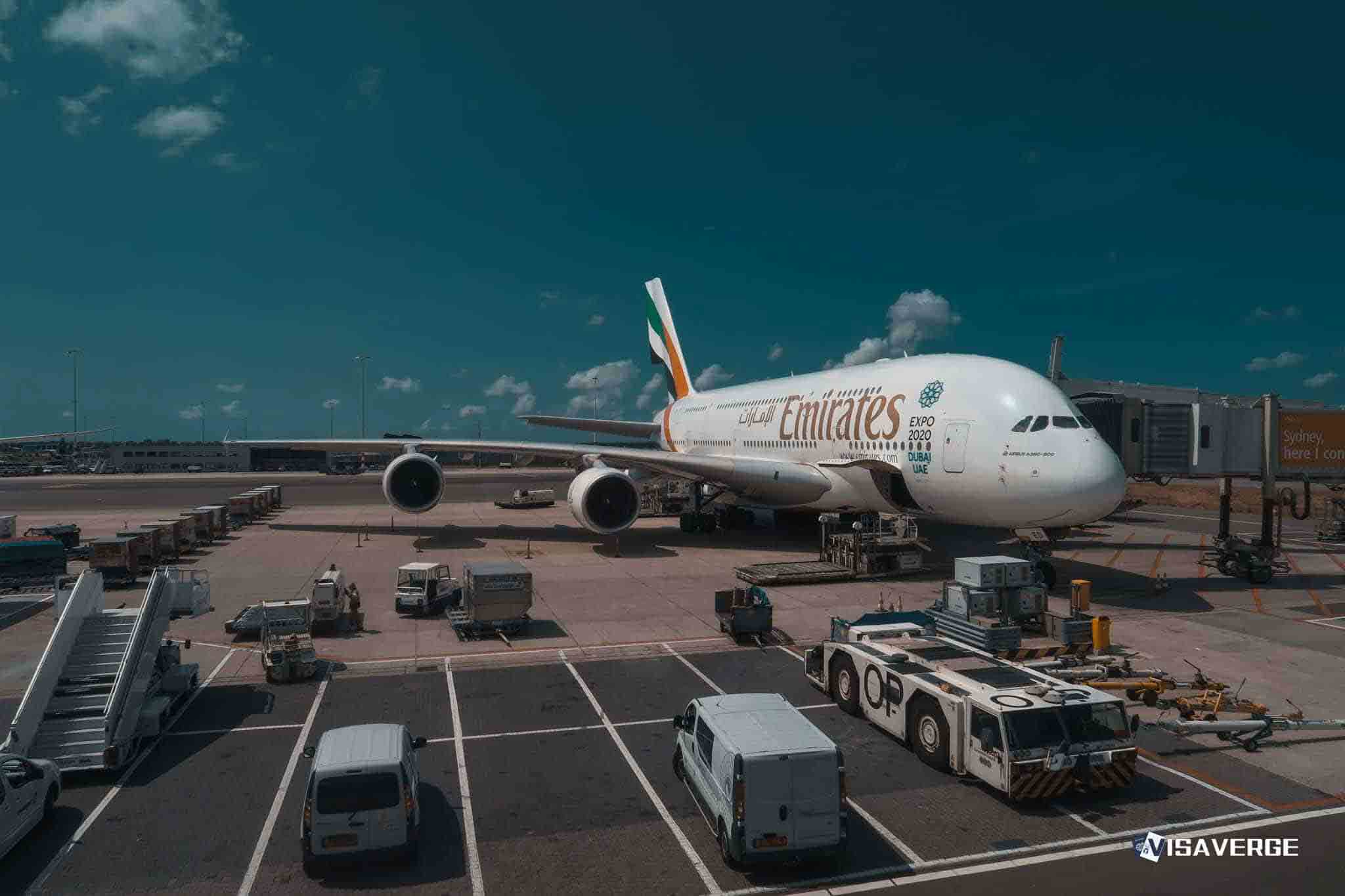
Limited operations resumed late March 2, 2026, with national carriers including Emirates, flydubai, Etihad Airways and Air Arabia prioritizing stranded travelers. The GCAA has coordinated those flights with airports and airlines, as carriers adjust to shifting routings and aircraft placements. Even where flights operate, airline prioritization has focused on moving passengers already caught by earlier cancellations.
The airspace disruptions follow the start of the US–Israel–Iran conflict on February 28, 2026, which triggered constraints for aircraft transiting parts of the region. That has forced airlines to reduce or suspend some services while managing diversion risk, flight planning and crew scheduling. The UAE’s aviation system, built around high-frequency long-haul connections, has felt the impact quickly because network timing depends on predictable corridors. Officials have presented the recovery as conditional, with capacity growing as constraints ease.
Across March 3–4, the operational picture remained centered on exceptional movements rather than a full timetable. Dubai International, Zayed International (Abu Dhabi), Al Maktoum and Sharjah have operated limited flights for repatriation, cargo and repositioning. Those categories allow airlines to bring in aircraft and crews, move goods, and get passengers out while keeping operations within the safest available routings.
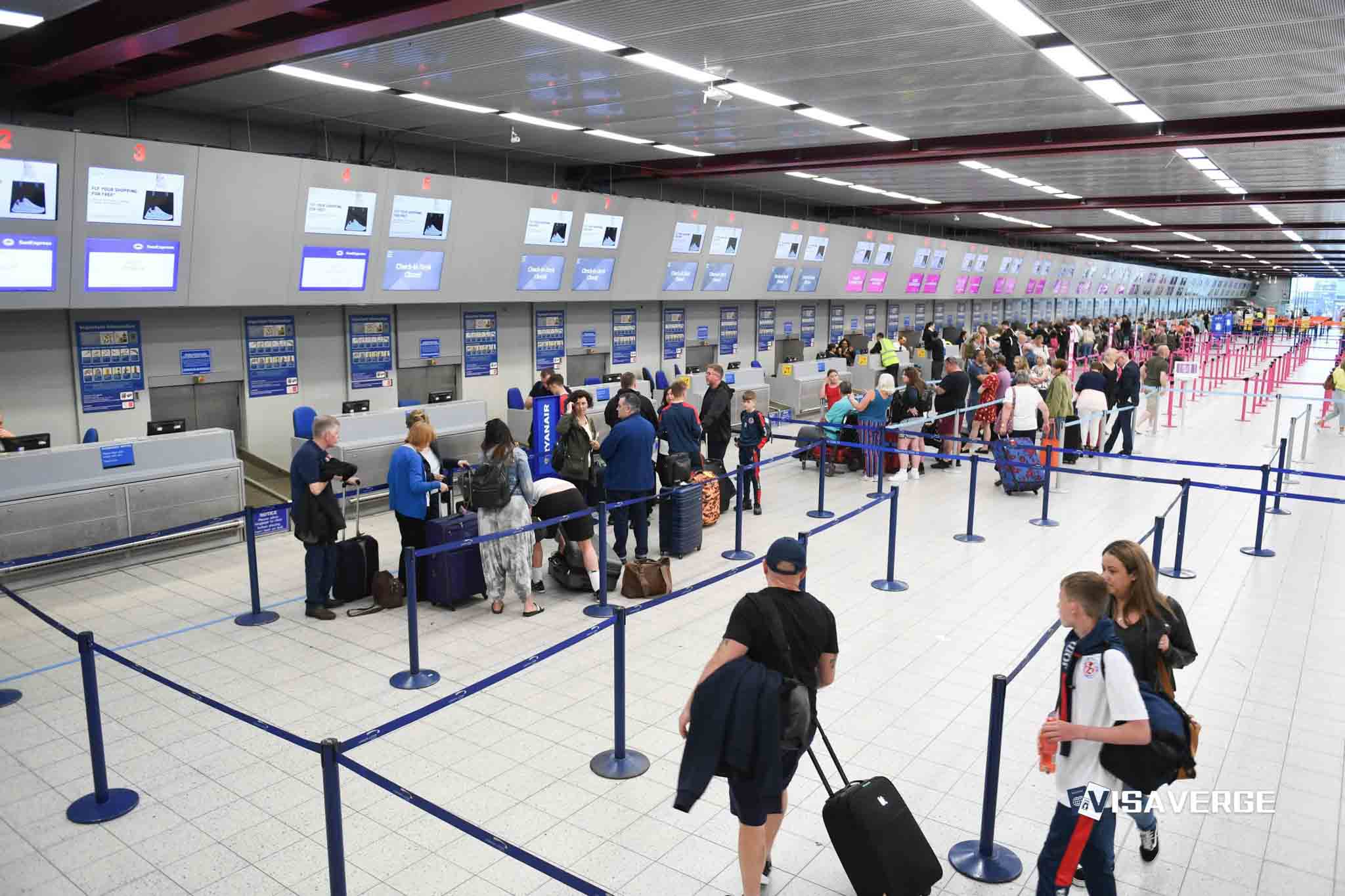
Passenger support has become a defining feature of the response as thousands wait for onward options. The GCAA is covering all costs for accommodation, meals and rebooking for 20,200 disrupted travelers. Airports and airlines have also added capacity on the ground, including additional check-in desks and liaison teams to manage queues and direct travelers to the right contacts.
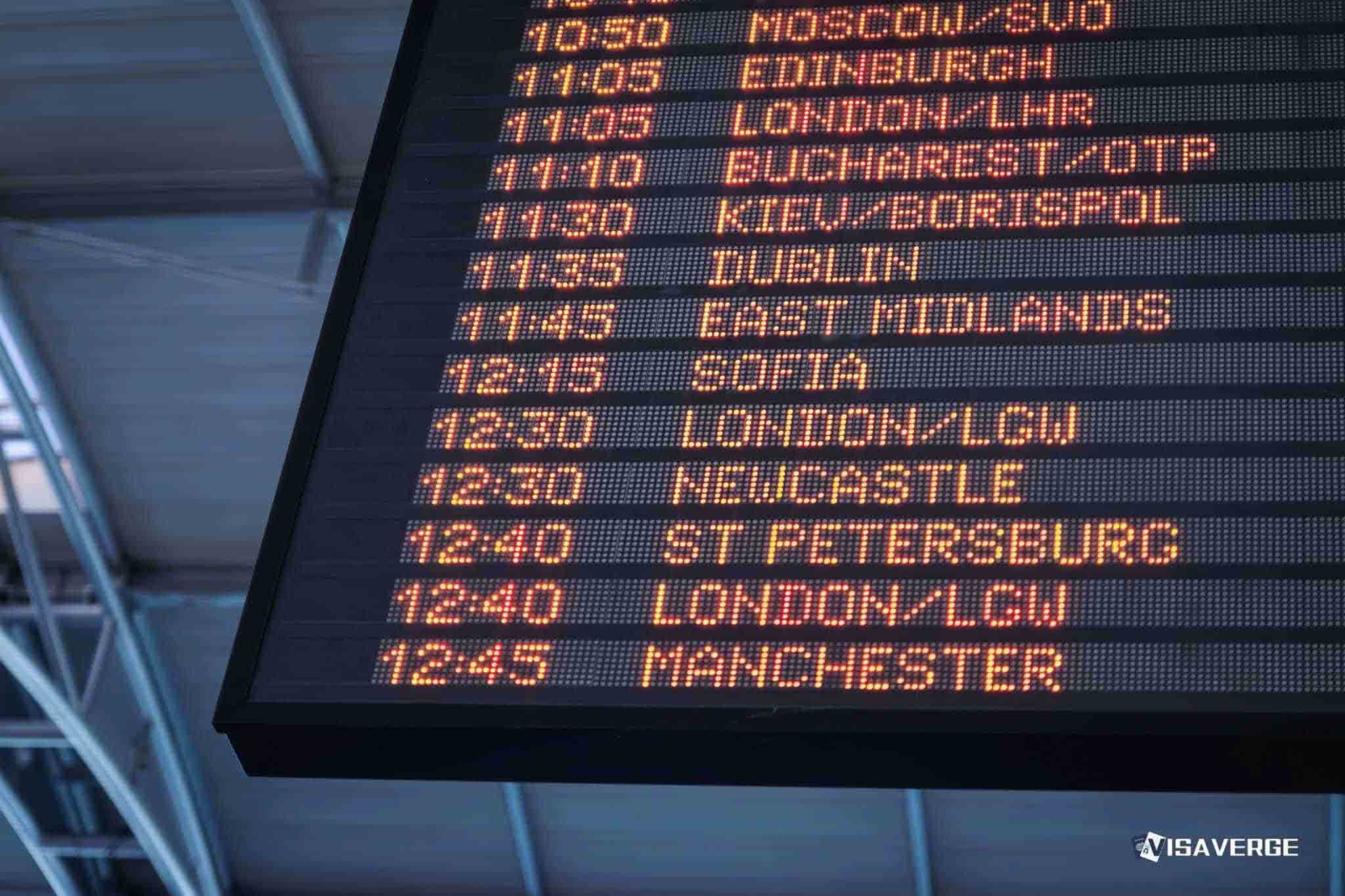
Airlines have instructed passengers to wait for direct contact before heading to airports, aiming to avoid congestion while flight availability remains narrow. That approach has forced travelers to rely on individual notifications rather than the normal routine of checking public schedules and arriving for a booked departure. For families and groups split across itineraries, the process can extend waits as carriers try to align seats with aircraft and crew availability.
Emirates and flydubai started select services from March 2 evening, with priority given to earlier bookings. Their limited resumptions have provided some release valve for passengers already in the UAE, as well as those trying to reach Dubai for connections that normally run through dense banks of departures. Still, the broader schedule has remained fluid because aircraft routings can change quickly under airspace constraints.
Etihad and Air Arabia paused flights until at least March 4 (Wednesday), extending the period in which many passengers have had to seek alternatives or accept rebooking. Suspensions have also spread beyond the UAE’s own carriers. Many international airlines have extended bans, including Air India, adding another layer of uncertainty for travelers who need specific operators for certain routes.
Behind the scenes, the GCAA has described a coordination effort built around monitoring, rerouting and rescheduling. Officials aim to support a safe, orderly resumption “as soon as conditions permit.” That work ties airport slot availability, aircraft positioning and passenger handling to changes in the security and airspace environment, which can quickly alter what flights can operate and where they can fly.
For travelers, the practical reality is that disruption rarely ends at the first cancellation. Reroutes can shift departure times, swap aircraft types, or alter the sequence of stops, and those adjustments can break connections that once lined up tightly. A missed link in one city can cascade through a multi-leg journey, especially for passengers moving between long-haul and regional services through UAE hubs.
The basics of passenger options tend to split into refunds versus rerouting, with the immediate experience shaped by where the trip starts, who sold the ticket and how the itinerary is constructed. When an airline cancels a flight or a delay stretches into many hours, passengers often seek either their money back or a place on an alternative service, but eligibility and timing can depend on the ticket rules and the carrier’s policies. Travelers connecting to or from the EU or US can also face different consumer protections, and some situations focus on rebooking and care such as meals or accommodation while a new departure is arranged.
Emirates has offered passengers the choice to rebook to March 20 or take a full refund. The carrier has directed customers who booked directly to contact the airline directly, a channel split that can matter for travelers who used agents or third-party sites. With seats constrained, the pace of movement can hinge on which bookings qualify for priority in the queue.
flydubai has allowed date changes or refunds to March 5, and it has pointed customers to updates through its Manage Booking portal. That framework places much of the processing through a self-service pathway, though passengers still depend on what inventory exists on the limited flights operating. Travelers holding tight onward connections can still face re-timing if a revised departure no longer matches their next leg.
Etihad has set eligibility conditions tied to ticket issuance timing, offering free rebook to March 18 for tickets issued before Feb 28, while also making refunds available. That cut-off ties passenger options to when they bought the ticket, a dividing line that can matter for last-minute travelers and those booked close to disruption. For some itineraries, the challenge becomes finding an alternative routing that remains workable amid continuing regional constraints.
Air Arabia has offered flexible changes, while route-specific suspensions have affected the Levant through March 3. The carrier’s adjustments reflect how regional closures can hit shorter sectors as well as long-haul flows through the UAE. As with other airlines, passenger outcomes can differ based on where they are in their trip and whether they hold a single through-ticket or separate bookings.
The recovery outlook remains uncertain amid volatile airspace and geopolitical developments, and neither the GCAA nor airlines have set a firm return-to-normal date. Changes can arrive with limited notice as restrictions tighten or ease and as carriers decide when to restore frequencies. Airlines and airports have directed customers to rely on official channels for operational updates, reflecting how quickly published schedules can shift during disruption.
Even partial restrictions can ripple fast through the UAE because the country’s airports function as tightly timed transfer hubs, where late arrivals quickly undermine onward departures. Before the conflict, Dubai International handled over 46,000 weekly connections as a top global megahub. When overflight corridors narrow, the effects can extend far beyond the region, reshaping connection windows and stranding passengers across networks built around the UAE’s central position in global travel.