- Extended U.S. visa delays are causing a silent psychological crisis among Indian immigrant families.
- Many professionals face years of family separation due to fears of being denied re-entry.
- Mental health experts report rising cases of anxiety and depression linked to immigration uncertainty.
(UNITED STATES) — Doctor Sunita Sayammagaru has warned that U.S. visa delays are pushing some Indian families into years of separation and what she described as a “silent psychological crisis” among Indian immigrants living in the United States.
Sayammagaru said young Indians who arrive for higher education can become trapped in visa limbo even after completing multiple degrees, including double master’s programmes, unable to travel home without fearing they will not be allowed back into the United States.
Many Indian professionals and students avoid visiting India because visa stamping or renewals can stretch unpredictably, leaving them stranded outside the country where they live and work. The dilemma, she said, becomes a recurring choice between seeing aging parents and preserving a job, a lease, and a life built in the U.S.
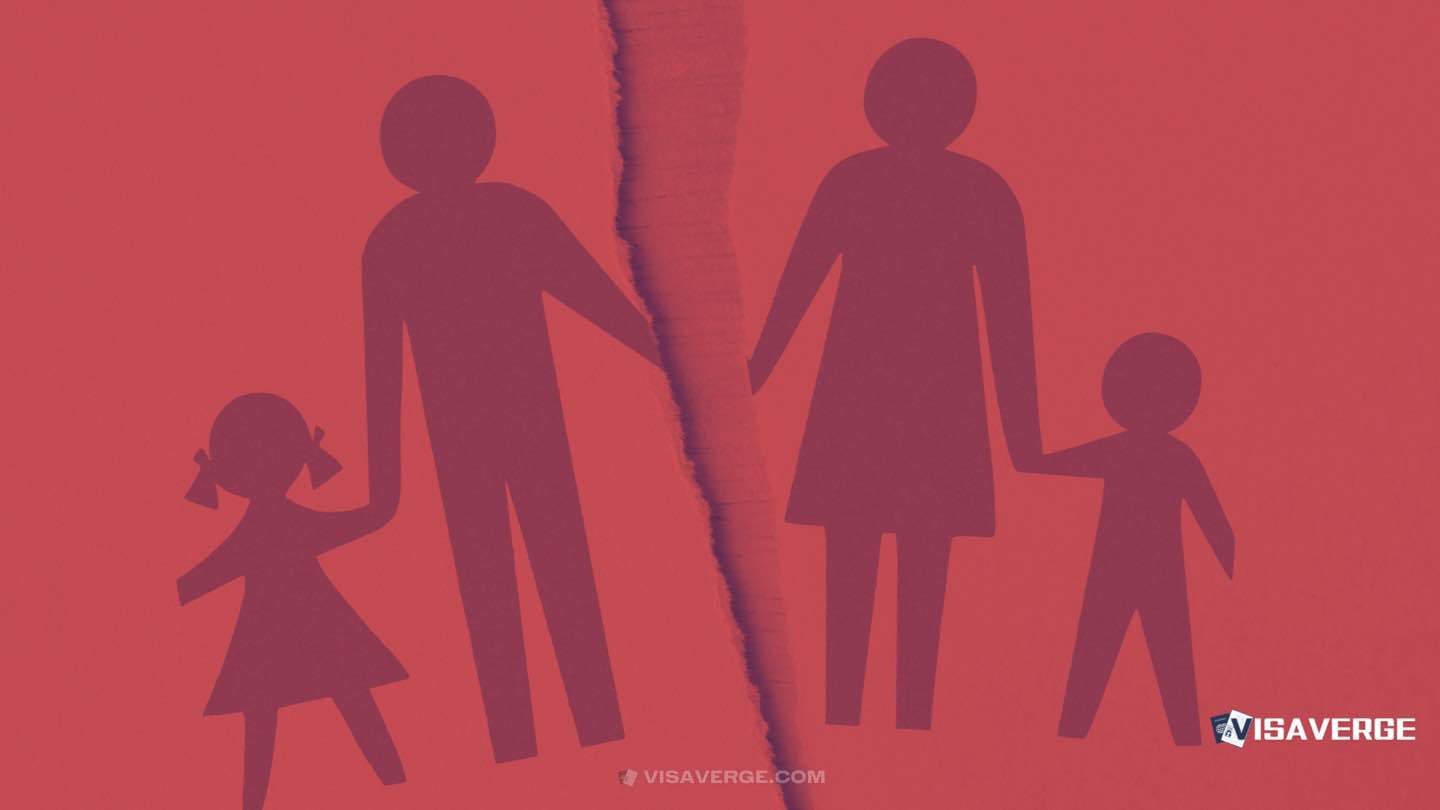
Some families remain separated for 10-15 years because of the risk of being denied re-entry, medical professionals documenting the phenomenon said. The long span reshapes family life across continents, with parents meeting grandchildren only during weddings or rare visits, and even those encounters declining over time.
U.S. visa delays have widened beyond a travel inconvenience into a chronic stressor for Indian families. Expanded screening procedures, interview backlogs, and limited appointment availability have disrupted travel planning for skilled workers and students worldwide, making short trips feel like high-stakes bets.
In India, visa interview slots have reportedly been pushed years into the future in some cases. That uncertainty has led experts to describe a “mobility freeze” for global talent, as families keep plans tentative and passports unused.
Behind the logistical bind, Sayammagaru said, many immigrants carry “deep, unresolved stress” tied to prolonged separation from parents, spouses, and children. Families miss weddings, medical emergencies, festivals, and milestones in their own children’s lives, she said, because travel can trigger a cascade of appointments, checks, and delays.
Psychologists and researchers have begun documenting the mental health crisis more openly, describing anxiety and depression that intensify when waiting has no clear end. Clinicians frame visa uncertainty less as a one-time disruption and more as an unrelenting condition that shapes daily decisions.
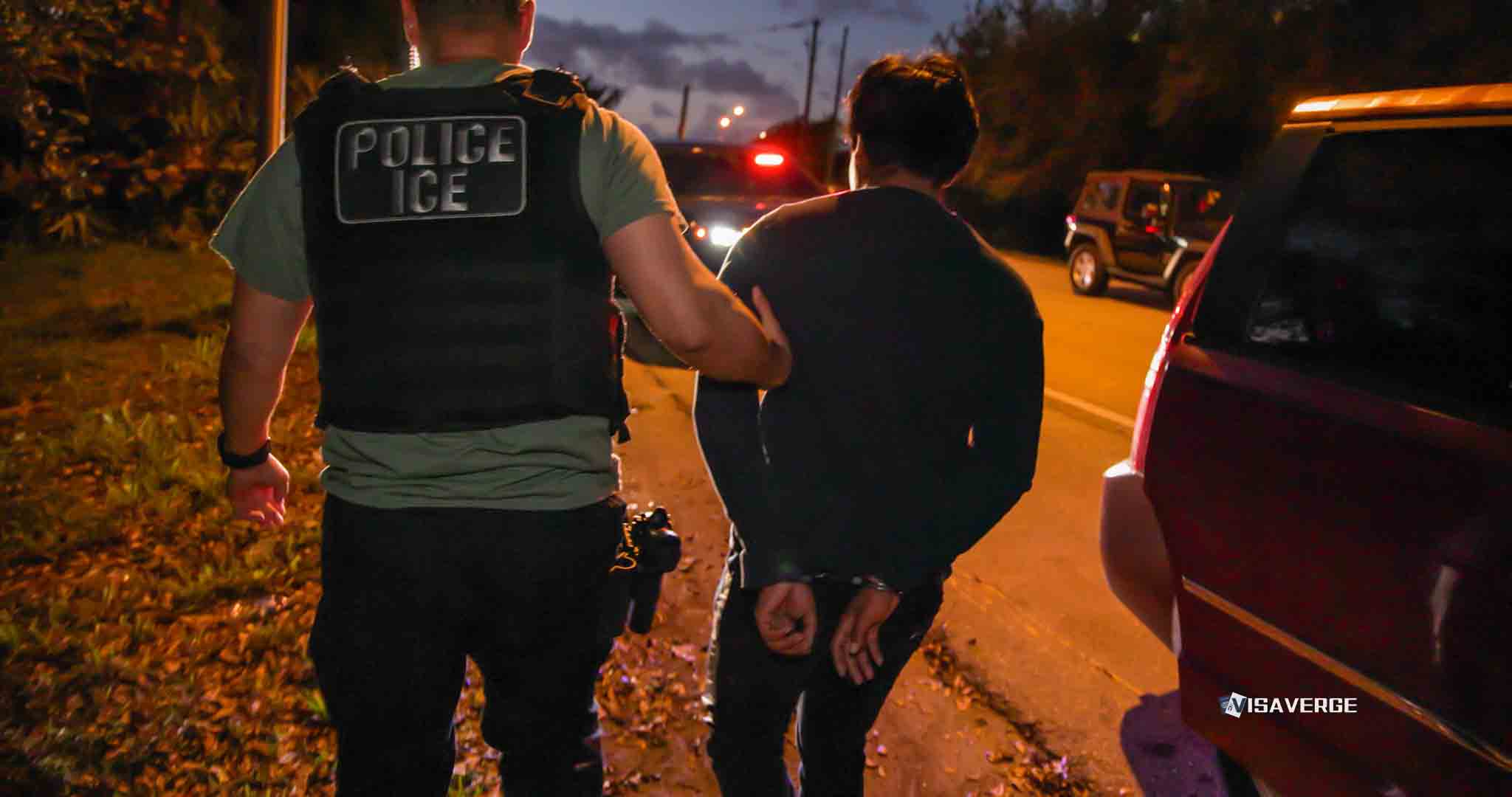
Dr. Kavita Saini, a psychologist in Virginia, reported in September 2025 that she was seeing increased numbers of Indian patients struggling with anxiety and depression amid U.S. immigration crackdowns. Patients told her they felt anxious “four times a week,” constantly worried about deportation or family members being taken away by ICE.
Research findings described in the report aligned with those clinical observations. A meta-analysis found that among asylum-seekers and undocumented migrants in indefinite waiting situations, over one-third experienced PTSD, over one-third experienced anxiety disorders, and about half experienced depression.
The same research identified stressors that extend beyond paperwork: threat of deportation, uncertainty about the future, exclusion from society, and experiences of stigma. For Indian families living with U.S. visa delays, mental health professionals describe a similar pattern of persistent uncertainty that turns routine planning into a source of strain.
Clinicians also described how stress manifests physically over time, including panic attacks, appetite and weight changes, and insomnia. Research cited in the report observed visa-related stress triggering anxiety, depression, panic attacks, weight changes, and a profound sense of psychological distress.
Sayammagaru said the prolonged waiting can become self-perpetuating, a psychological loop she labeled the “x+1 syndrome.” She described it as a habit of postponing plans by another year, based on the expectation that conditions will improve next year.
“The next year never comes,” she explained, describing how hope can turn into prolonged indecision and a deepening emotional burden. Families delay travel, postpone reunions, and miss milestones while telling themselves they will go home after the next renewal, the next appointment, or the next policy shift.
The syndrome shows up in ordinary decisions that accumulate into years. Travel gets postponed again, family events get missed again, and life milestones get delayed again, until the delay itself becomes a way of life that families struggle to exit.
Work pressures compound that cycle, particularly for Indian professionals waiting on green cards. A study of Indian immigrants cited in the report found significant numbers struggling with wage stagnation, job insecurity, and lack of career advancement opportunities, tying those concerns to green card delays.
The study described financial burden on families and negative impacts on business and personal travel opportunities, including the inability to return to family in India during emergencies. Those pressures can deepen isolation, as families feel forced to choose stability in the United States over urgent needs abroad.
Family separation also intersects with dependence and legal status inside the household. Participants in the study reported critical issues including family living apart, kids aging out, and H4-EAD (dependent spouse) complications.
The study described a mix of work and personal stressors, including financial insecurities and personal travel restrictions, alongside chronic health issues such as stress, fear of the unknown, frustration, and burnout. For some, the strain hits identity as well as income, as spouses weigh careers against a shifting ability to work.
Saini described social isolation among Indian patients living with prolonged uncertainty. She said some resorted to substance abuse, including drinking and marijuana use, calling them “not so good coping skills” that could put them in trouble.
Sayammagaru also described social pressure as an added weight on families already stretched by U.S. visa delays. Some fear being judged if they return to India, she said, because coming back from abroad is still seen by many as a failure.
Drawing from her own experience, she said people repeatedly questioned her decision to return from the UK and assumed visa trouble rather than personal choice. That stigma, she suggested, can keep families locked into silence, compounding a mental health crisis that already feels private.
Policy signals have added to anxiety even when they do not directly target Indian applicants. In January 2026, the U.S. State Department suspended issuance of immigrant visas to nationals of 75 countries pending an internal security review.
India was not included, but the move rattled Indian applicants and sparked widespread speculation about broader policy tightening on Indian social media, the report said. The pause fed fears that processing could become harsher or slower, reinforcing the sense that timelines can change without warning.
Immigration lawyers told Hindustan Times that Indian family- and employment-based petitions remained unaffected. Consultants, however, described a psychological impact, with prospective employment-based immigrants interpreting the pause as a harbinger of broader quota squeezes in an election year.
The report said the episode amplified concerns about identity verification and document security, even among applicants who believed they were already following every rule. For families already dealing with U.S. visa delays, any signal of stricter screening can feel like another year added to a wait that has no visible finish.
A broader enforcement and asylum backdrop has also contributed to a general climate of uncertainty, the report said, including among migrants on employment-based pathways. In January 2025, President Trump issued an executive order suspending the U.S. Refugee Admissions Program (USRAP) indefinitely, citing national security concerns.
The same report said the reinstatement of the “Remain in Mexico” policy now mandates asylum seekers to await U.S. court hearings outside the country, effectively reinstating family detention protocols. It also described stricter asylum policies and expanded immigration enforcement as factors exacerbating fear, insecurity, and anxiety among migrant and refugee populations.
The expansion of expedited removal procedures allows for rapid deportation of individuals unable to prove continuous U.S. residence for the past two years, the report said, intensifying psychological distress in undocumented communities. Even for Indian families following employment-based routes, the broader enforcement narrative can heighten worries about what happens if an interaction with the system goes wrong.
Healthcare access can become another source of strain. The report said many undocumented and visa-uncertain migrants avoid seeking mental health care due to fear of deportation, resulting in delayed interventions and worsened health outcomes.
The report also said the mental health burden of migration-related stress disproportionately affects racial and ethnic minority groups, exacerbating existing health inequities and increasing demand for mental health services that remain systematically difficult to access. For Indian families, that can mean suffering intensifies quietly behind professional résumés and outward stability.
For families living with U.S. visa delays, mobility is not a simple question of whether someone holds a valid document. Visa approval or pending status does not always translate into freedom to travel without risk, because backlogs and limited appointments can turn a return trip into an uncertain process.
That reality shapes choices around weddings, funerals, caregiving visits, and even short family reunions planned months in advance. Some households choose to stay put for years, while others take the risk and brace for the possibility of being stuck abroad, separated from spouses, jobs, or children waiting in the United States.
Across these cases, mental health professionals describe a common pattern: families begin “waiting to live.” Decisions that would normally mark adulthood—marriage, children, caregiving for aging parents—become tied to the next administrative step, and then the next, as the timeline stretches.
Sayammagaru’s warning, and Saini’s September 2025 observations, reflected a growing push to treat visa processing delays as more than a bureaucratic headache. Clinicians described a mental health crisis that grows in quiet increments, through postponed travel, missed emergencies, and an accumulating sense of powerlessness.
The stories, they said, also show how processing and policy reverberate far beyond consular lines. For Indian families separated across borders, administrative delays, screening uncertainty, and enforcement signals can translate into years of missed family time and chronic stress that does not fit neatly into a single application form.
As families continue to build lives across two countries, the strain remains shaped by policy signals and administrative capacity, with many still measuring time in renewal cycles and appointment calendars rather than in holidays spent together.