(ISRAEL) — The U.S. Department of State on February 27, 2026 authorized the departure of non-emergency U.S. government personnel and their family members from Mission Israel, a step that signaled heightened security concerns as the Trump administration issued public warnings about potential military action against Iran.
The U.S. Embassy in Jerusalem framed the move as a response to “safety risks” and urged Americans to weigh leaving while commercial travel remains available. “On February 27, 2026, the Department of State authorized the departure of non-emergency U.S. government personnel and family members of U.S. government personnel from Mission Israel due to safety risks. Persons may wish to consider leaving Israel while commercial flights are available,” the embassy wrote in a travel advisory update.
Ambassador Mike Huckabee urged staff in an internal email to act quickly if they planned to take up the option. “Those wishing to take AD should do so TODAY. While there may be outbound flights over the coming days, there may not be. Focus on getting a seat to any place from which you can then continue travel to DC, but the first priority will be getting expeditiously out of the country,” Huckabee wrote in an email sent at approximately 12:04 a.m. local time, as reported by The Washington Post and Associated Press.
Authorized Departure allows eligible employees and family members to depart at government expense, and it sits below a mandatory evacuation. The State Department action covers non-emergency personnel and eligible family members, while essential diplomatic and security staff remain in place to keep critical functions running.
U.S. officials took the step as regional tensions intensified after nuclear talks in Geneva ended without a breakthrough, adding uncertainty to an already volatile security picture. The authorization also followed public warnings from the Trump administration about possible military action against Iran.
President Trump set out his position in his February 24 State of the Union address, saying that while he prefers diplomacy, “Iran will not be permitted to retain the ability to produce nuclear weapons.” The administration has also reportedly assembled two carrier strike groups in the region.
U.S. officials anticipate that any strike on Iran would lead to immediate retaliation against Israel and U.S. bases in the Middle East by Iran or its proxies (Hezbollah/Houthis). The State Department authorization and embassy messaging reflected that broader risk environment without describing specific timelines.
Alongside the departure authorization, the State Department also upgraded its travel advisory posture for Israel on February 27, 2026, citing terrorism and civil unrest. The advisory maintained the highest warning for certain areas close to Gaza and near the Lebanese and Syrian borders within specified distances.
The embassy said the U.S. Embassy in Jerusalem and the Branch Office in Tel Aviv remain open for emergency services to U.S. citizens, led by Huckabee and essential diplomatic and security personnel. That posture points to continued operations for urgent needs, even as staffing flexibility increases for those not required to remain.
For travelers and U.S. citizens on the ground, the embassy’s public message centered on the continued availability of commercial flights, which can change quickly during fast-moving security developments. The U.S. Embassy in Jerusalem noted that “Persons may wish to consider leaving Israel while commercial flights are available.”
Huckabee’s internal email went further in its emphasis on speed, advising staff to focus on securing a seat to “any place” that allows onward travel to Washington. The guidance, as described in the reports, encouraged those eligible for Authorized Departure to depart promptly rather than wait for more clarity.
The development could also affect routine consular work as non-emergency personnel leave and the mission prioritizes emergency services. The embassy’s continued operations for emergencies do not rule out delays for routine visa processing and American Citizen Services (ACS), and the reduction in staff may lead to significant delays in those areas.
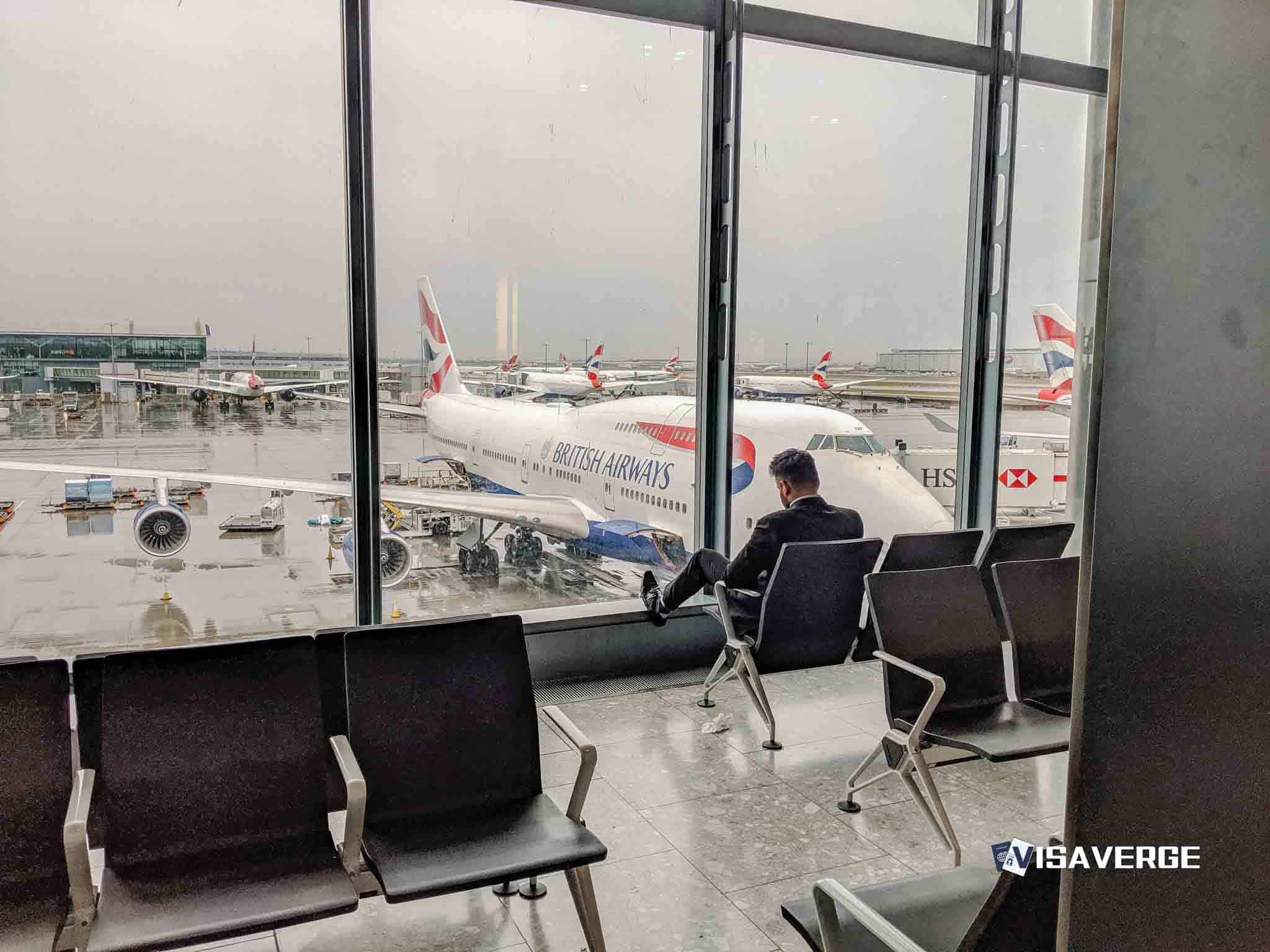
Air travel disruptions have already begun to affect routes into and out of Israel, adding pressure on those weighing departure. Major airlines, including KLM, have already begun suspending flights to Tel Aviv.
The heightened alert extends beyond overseas posts, with the Department of Homeland Security pointing to potential spillover risks from the Israel-Iran conflict. DHS Secretary Kristi Noem issued a National Terrorism Advisory System (NTAS) Bulletin that warned: “The ongoing Israel-Iran conflict brings the possibility of increased threat to the homeland in the form of possible cyberattacks, acts of violence, and antisemitic hate crimes.” (June 22, 2025)
The embassy move also comes during a partial shutdown of the Department of Homeland Security, complicating domestic security oversight and immigration enforcement, even as U.S. agencies monitor threats tied to international events. State leads on embassy departures, while DHS communications provide broader context about potential risks.
Authorized Departure is not an order for all personnel to leave, but it can change the day-to-day footprint at a mission as eligible employees and families depart at government expense. In practice, that can shift workloads toward essential personnel and narrow the range of routine services consular sections can deliver at normal capacity.
U.S. citizens seeking current information can monitor updates from the U.S. Embassy in Jerusalem, including its travel advisory page, and consult the State Department’s Israel country information page for official guidance. For broader U.S. threat updates tied to overseas conflict dynamics, DHS posts information through its newsroom.
U.S. Orders Embassy Staff in Jerusalem to Leave as Trump Threatens Iran
The U.S. government has authorized the voluntary departure of non-emergency personnel from Israel amid escalating regional tensions. Driven by potential military action against Iran and heightened security threats, Ambassador Mike Huckabee has advised eligible staff to leave immediately. While the embassy continues to provide emergency services, commercial travel is becoming restricted as major airlines begin suspending flights to Tel Aviv.