(FRANCE) — The U.S. Embassy in France confirmed that French nationals still face no immediate change to ESTA requirements when traveling to the United States under the Visa Waiver Program for short stays.
Embassy messaging said French travelers can continue to use ESTA for trips of up to 90 days for tourism, business, or transit.
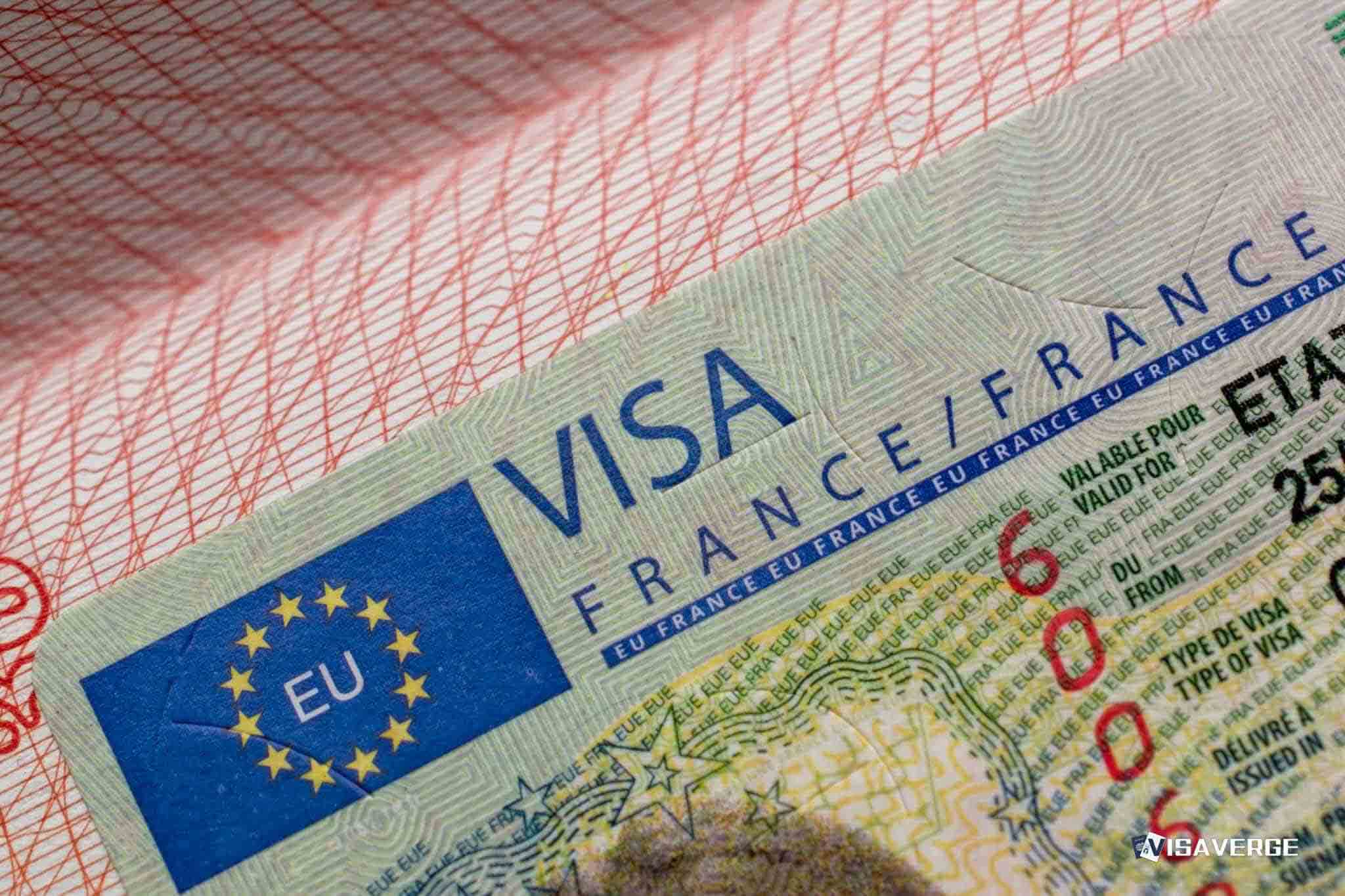
The clarification aims to steady trip planning and tamp down misinformation, as discussions continue about possible future reforms with no change in force now.
France remains among the countries whose citizens can seek travel authorization through the Visa Waiver Program rather than applying for a U.S. visa for short visits. The program covers limited travel purposes and does not turn a short visit into a right to live, work, or study in the United States.
ESTA, or the Electronic System for Travel Authorization, functions as a pre-travel screening step for eligible travelers. It does not replace inspection at the border, and it does not by itself authorize activities outside the permitted visitor categories.
The Embassy said any future adjustments will be announced in advance via the Federal Register and widely communicated. No timetable was given for changes affecting French travelers.
Traveler questions have grown amid evolving global security and the approach of the 2026 World Cup. The Embassy’s confirmation signaled continuity for now.
French citizens typically qualify by submitting an online application that includes passport details, travel history, and basic information. The application also includes security questions.
Applicants must enter biographic details accurately and match them to the passport they will use for travel. Small inconsistencies in names, passport numbers, or dates can create friction for travelers who assume the process is purely administrative.
Travel history questions can also trip up applicants who do not recall exact dates or who have complicated itineraries. The online form requires careful review before submission, because travelers often rely on the authorization when they reach the airline check-in desk.
Approvals typically arrive within minutes, though some take longer. That timing variability can matter for last-minute bookings, family emergencies, or travelers who assume authorization is instantaneous.
The Visa Waiver Program framework also shapes how travelers think about back-to-back trips and overall time spent in the United States. Even when each entry falls within the 90 days concept, U.S. border officials still assess the traveler’s purpose and whether the trip fits a temporary visit.
A common misunderstanding involves treating repeated short stays as a way to approximate living in the United States. The Embassy’s confirmation did not announce new enforcement measures, but the limits of the program remain central to how entry decisions are made.
French travelers who plan to work, enroll in study, stay longer, or pursue immigration intent generally need a visa rather than ESTA. ESTA use aligns with a narrow set of temporary purposes.
With no specific reform in effect, travelers and airlines still rely on established channels for updates. The Embassy pointed to Federal Register notices and broad communication as the route for any future adjustments.
U.S. immigration and travel rules often change through formal publication and agency updates, rather than through informal reports. Travelers arranging flights may also see requirements reflected in airline systems that verify travel authorization and passport data before boarding.
Airlines play a front-line role because carriers can face consequences for transporting passengers who lack required authorization. That makes ESTA status and passport details a practical checkpoint well before a traveler reaches a U.S. inspection booth.
At the airport, check-in agents typically verify that the traveler’s passport and travel authorization align. Problems can arise when travelers renew passports and forget that authorizations and passport numbers must match what carriers transmit.
Even with an approved ESTA, U.S. Customs and Border Protection makes the final admission decision on arrival. Border officers can ask travelers to explain the purpose of the trip, the intended length of stay, and how the visit fits within the Visa Waiver Program.
Travelers who bring documentation that supports a temporary visit can face a smoother inspection, especially when plans involve business meetings, tourism itineraries, or transit connections. The Embassy’s message did not prescribe what to carry, but the reality of inspection is that travelers may be questioned.
Activities that fall outside the program’s intent can create problems at the border. Employment and study, in particular, generally require specific visas rather than ESTA-based entry.
The focus on purpose matters because ESTA is not a visa and does not grant a blanket right of entry. Travelers sometimes conflate authorization to board with authorization to enter, but the U.S. system keeps those steps distinct.
While French travelers look west, U.S. travelers heading to France face their own changes in 2026 tied to new European entry systems. For now, U.S. citizens enter France visa-free for up to 90 days in any 180-day period.
France’s current short-stay approach also comes with passport-validity expectations. The guidance cited in the update said U.S. citizens should have a passport valid for at least three months beyond planned Schengen departure, with six months recommended.
Later in 2026, the European Union plans to require an ETIAS travel authorization for Americans and to roll out the Entry/Exit System, known as EES. ETIAS will operate as an online authorization that links electronically to passports, while EES will collect biometric data at entry and exit.
The ETIAS authorization carries a fee set at €20, while EES will collect biometric data with no fee. The ETIAS system will request details such as personal information, travel plans, and background questions.
ETIAS includes exemptions for travelers under 18 and over 70. Those eligibility distinctions will matter for families traveling together, because requirements can differ within the same booking.
EES biometric collection can also affect airport and border processing because it changes what happens at entry and exit. Travelers who are used to passport stamps may see a different process once the system takes effect.
For French nationals traveling to the United States, the Embassy’s message kept the focus on what is confirmed: the existing ESTA framework under the Visa Waiver Program remains in place, and travelers should look to official channels for any formal updates.
U.S. Embassy Confirms France Keeps Visa Waiver Program ESTA Rules
The U.S. Embassy in France confirms that ESTA rules for French nationals remain the same for short-term visits. Travelers can stay up to 90 days for tourism or business. Although future reforms are possible, particularly with the 2026 World Cup approaching, any changes will be officially announced in advance. The embassy emphasizes that ESTA is for temporary visits and does not permit working or studying.