- Tukwila officials unanimously approved a moratorium on new detention centers to block federal immigration enforcement expansions.
- The six-month ban halts development of facilities for detention and transportation while the city reviews zoning laws.
- Councilmember Joe Camacho cited significant impacts on families and student anxiety as primary motivations for the vote.
(TUKWILA, WASHINGTON) — The Tukwila City Council unanimously approved a temporary six-month ban on new detention centers on Monday, February 23, 2026, amid reports that federal officials want to expand immigration detention capacity in the Seattle region.
The moratorium prohibits the change of use, establishment, expansion, or development of facilities for detention, transportation, or food services related to immigration enforcement.
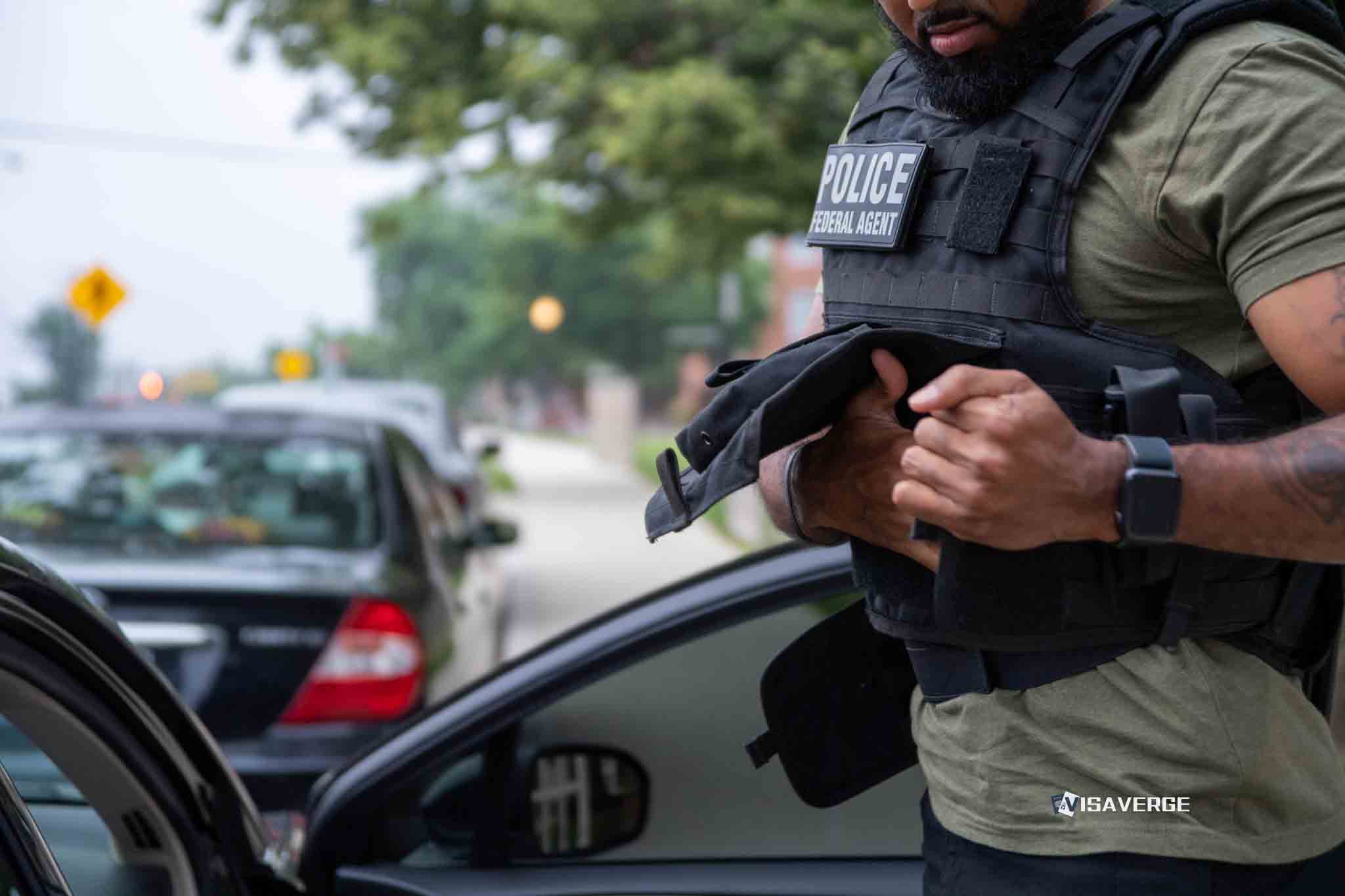
Supporters advanced the measure as a stopgap while the city weighs what kinds of detention-related uses it will allow, as debate over siting and services tied to immigration enforcement intensifies across Western Washington.
The vote came as the Department of Homeland Security seeks to expand its detention facility footprint across the “Seattle Area of Responsibility,” which includes Seattle, Burien, Renton, and Tukwila, the account of those plans said.
That effort ties to “a goal of one million deportations annually set by President Donald Trump,” as described in the same account of the enforcement expansion discussed in local debate.
City action on zoning and land use can affect whether detention-related facilities move forward in a specific jurisdiction, and Tukwila’s moratorium targets not only detention itself but also certain support operations that connect to immigration enforcement.
Tukwila sits at the center of regional concerns because it already serves as a significant hub for Immigration and Customs Enforcement operations.
The city houses an ICE office at the Department of Homeland Security building, and the same account described a potential expansion planned approximately one mile north.
Boeing Field at the city’s northern edge also features prominently in local arguments, because it serves as a departure point for privately chartered deportation flights.
Councilmember Joe Camacho, a Tukwila City Council member who is also a high school science teacher in the Tukwila School District, linked the vote to what he described as mounting impacts on residents and schools.
Camacho said close to a dozen Tukwila families have been impacted by immigration enforcement over the past year, and he described students as frequently expressing anxiety about enforcement actions in their community.
“When I read an email that states that an elementary-age student was detained by Immigration and Customs Enforcement in our community, we have to stick our necks out,” Camacho said.
The mix of an existing ICE office, reported planning discussions about an expansion near that location, and the use of Boeing Field for charter departures has helped shape the argument that siting decisions in Tukwila carry consequences beyond one parcel or one project.
Supporters of the moratorium framed it as a breathing period for policy review and community input, as officials and residents debate what kinds of facilities—and what kinds of support services—should be allowed to expand in a city that already plays an operational role in enforcement.
The Tukwila action also fits into a wider conversation among nearby cities weighing how to respond as the federal government looks at detention and detention-adjacent capacity in the region.
SeaTac City Councilmember Joe Vinson called for a pause on additional detention institutions, citing the city’s existing federal prison, international airport, and proximity to Boeing Field.
With Seattle, Burien, Renton, Tukwila, and SeaTac all referenced in the regional debate described by officials and residents, the next test will be whether other councils pursue pauses, zoning changes, or coordination requests as the pressure for ICE expansion collides with local land-use authority.