- TUI Group is repatriating 10,000 stranded Germans from the Middle East following regional airspace closures.
- Major Gulf carriers including Emirates, Etihad, and Qatar Airways are providing critical transport capacity.
- The operation targets Munich and Frankfurt gateways to clear a backlog of roughly 30,000 affected travelers.
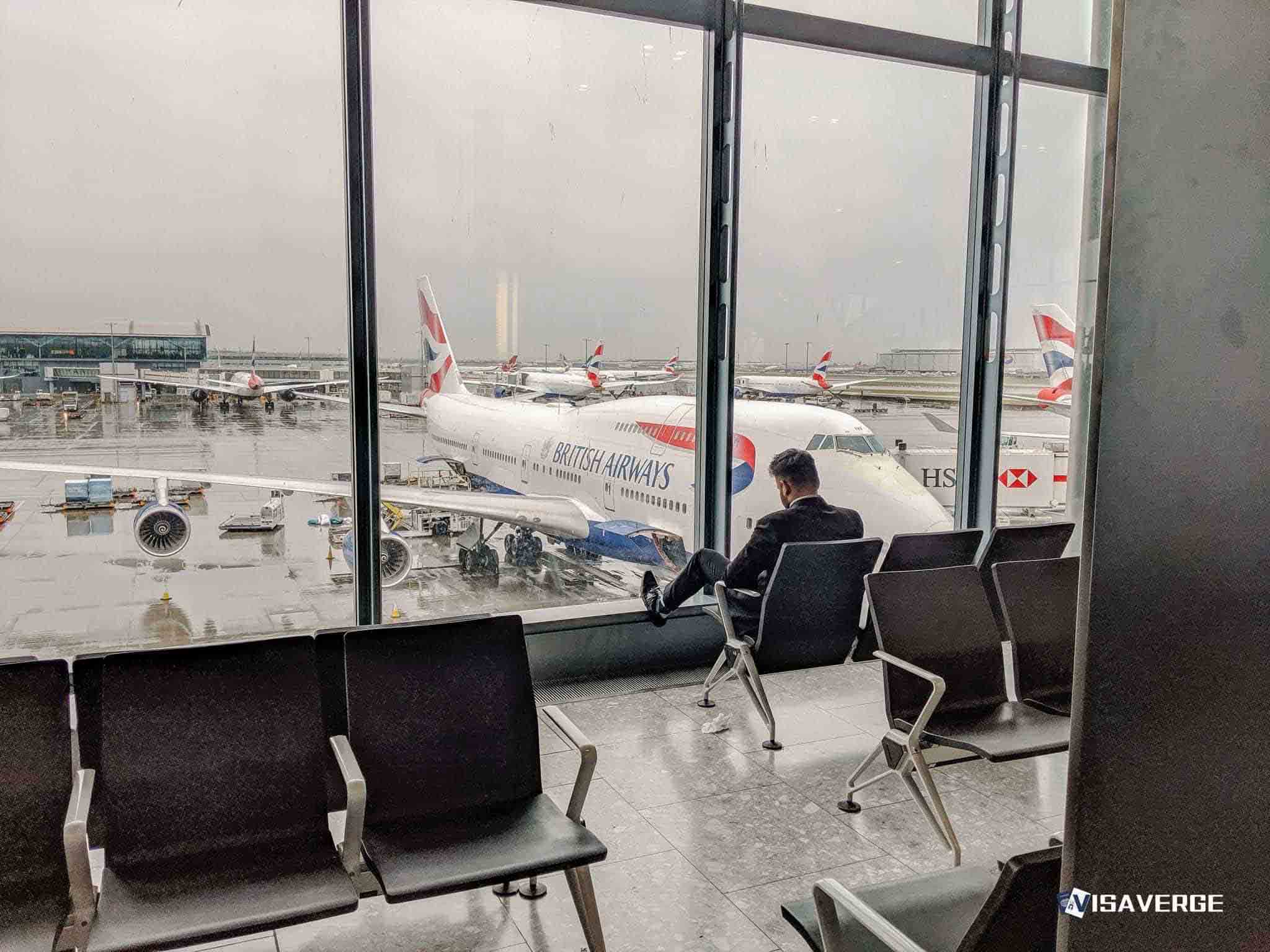
(GERMANY) — TUI Group began flying home approximately 10,000 stranded German customers from the Middle East on March 3, 2026, tapping Updates from Emirates, Etihad, flydubai, Air Arabia”>partner airlines including Emirates, Etihad and Qatar Airways after regional airspace closures upended flight networks.
CEO Sebastian Ebel oversaw the start of the repatriation effort, with the first return flights targeting Munich and Frankfurt as the main German gateways for arriving passengers.
The operation came as the German Travel Association (DRV) put the wider impact at around 30,000 customers of German tour operators caught up in the disruption.
Airspace closures linked to a regional conflict escalation forced airlines and tour operators to scramble for alternative routings and seats, tightening capacity and complicating aircraft rotations across multiple hubs.
TUI’s response reflects how Europe’s largest tour groups typically manage a mass return when a crisis blocks normal commercial options, using pre-arranged airline relationships to move large numbers quickly.
In package travel, the operator sits at the center of the transport plan and can aggregate demand, rather than leaving thousands of individual travelers to compete for the same limited seats.
That distinction matters most during fast-moving crises, when permissions change, flight paths shift and carriers make rapid decisions about where to deploy aircraft and crews.
Tour-operator repatriation usually starts with securing “lift” at scale, and TUI’s plan relies first on block bookings and special arrangements on partner carriers that can restore capacity to Europe even when routings change.
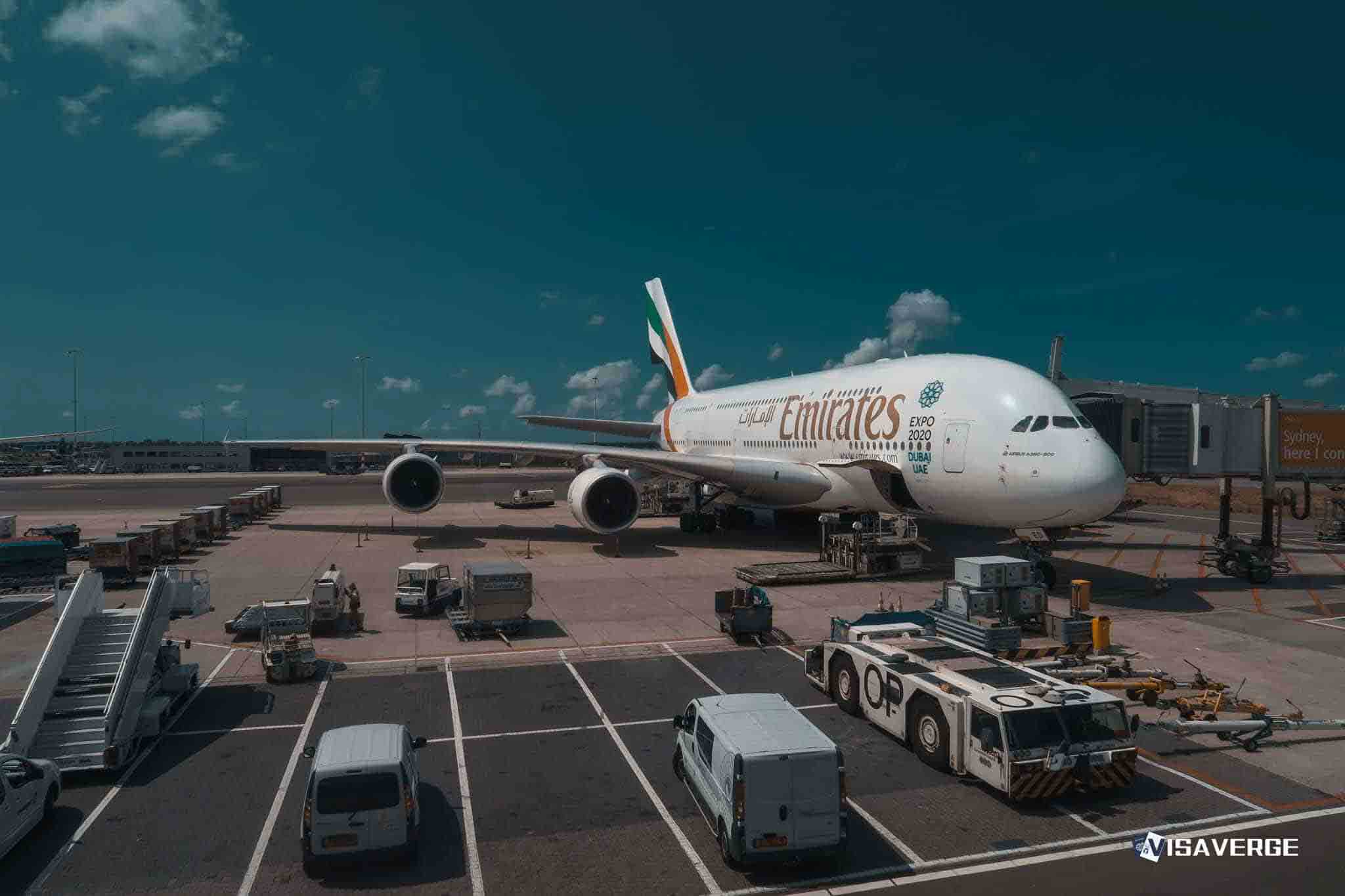
Emirates services from Dubai to Frankfurt and Munich formed part of those early moves, with Etihad and Qatar Airways also used as TUI searched for enough seats to clear the backlog.
Large Gulf carriers can sometimes absorb sudden European demand better than smaller operators because they operate extensive long-haul fleets and can reshuffle schedules, though those decisions still depend on airspace and operational constraints.
For TUI, partner capacity is also a way to avoid delays that come with positioning its own aircraft into the region, especially when routes require approvals that can shift hour by hour.
TUI Fly aircraft stood ready as backup capacity for direct pickups once permissions are granted, although the airline does not typically operate in the region.
Even when an aircraft is available, tour operators must line up legal crew duty limits, rest requirements and local handling arrangements, then ensure the plane can reach the pickup point without crossing closed airspace.
Aircraft positioning can become its own bottleneck, because a plane sent to collect stranded passengers may need to be diverted around closures, which can add time and reduce the number of rotations possible each day.
Tour operators also must keep track of hotel stays and ground arrangements, especially when flights cancel late and passengers need to remain in place until a confirmed departure.
TUI leaned heavily on customer coordination to make the repatriation workable, aiming for near-100% contact through its app to provide updates on flight assignments and timing.
Call centers and local teams typically play a parallel role, fielding individual queries while the operator tries to keep instructions consistent across airports, hotels and transport providers.
Coordination also extends beyond the company itself during a large disruption, with collaboration involving governments, embassies and hotels as operators try to keep travelers safe and accounted for.
TUI Cruises also formed part of the coordination effort for cruise passengers affected by the disruption, adding another layer of complexity because cruise itineraries can change quickly when ports and flight plans shift.
In practice, the greatest constraint is rarely the will to operate flights; it is the combination of restricted airspace, shifting permissions, crew legality, and the knock-on effect of delays across multiple airports.
When carriers reroute around closures, aircraft can arrive late to European hubs, causing missed connections and leaving fewer planes available for the next day’s departures.
That ripple can force airlines to prioritize certain routes and cut others, and it can leave tour operators competing with regular scheduled demand at the same time they are trying to bring home stranded groups.
Operators with established airline partnerships can move faster, because they can negotiate blocks of seats and operational priority in a way that individual passengers usually cannot.
TUI said the repatriation should finish in “a few days,” a timeline that hinges on security and the ability to maintain workable routings.
The contrast between travelers who booked a package holiday and those who booked directly with an airline becomes stark during a disruption of this scale.
A traveler with a direct booking typically has from Emirates and Air France”>more personal control over changes, including the ability to search alternative routings, pick different travel dates and, in some cases, use loyalty status and perks.
Direct customers may also find it faster to resolve simple issues, because they can speak to the airline without an intermediary and can sometimes switch flights through online tools.
At the same time, direct booking can mean the traveler must coordinate separately with multiple vendors, such as the airline and the hotel, and must make their own calls about whether to accept rebooking offers or seek refunds.
In a mass disruption, airline inventory can move quickly, and travelers acting alone can find that seats disappear as operators secure blocks for their groups.
TUI’s repatriation illustrates how a package organizer can consolidate demand, then negotiate capacity in bulk during an emergency rather than leaving thousands of people to attempt separate solutions at once.
Package travel also tends to provide a single point of contact, which can matter when conditions on the ground change and passengers need consistent instructions on where to go and when to check out of hotels.
Changes and cancellations can also play out differently depending on whether the traveler bought a package or a flight-only ticket, because the operator can manage rebookings under package terms and handle the airline interface.
That can reduce the number of decisions an individual traveler must make while stranded, but it can also mean the traveler depends on the operator’s timetable and available partner capacity.
For direct-booked passengers, flexibility can be higher for voluntary changes, but the traveler may still face a queue during a large event as airlines triage large volumes of calls and messages.
The rights and remedies available to travelers can vary depending on whether the disruption falls under airline-controlled causes or broader “extraordinary circumstances,” and on whether the traveler’s journey is part of a package.
In general terms, compensation frameworks tend to focus on factors such as the nature of the disruption, the carrier’s responsibility for it, and the route and timing involved, with carve-outs that can apply during conflict-linked airspace closures.
Package-travel obligations, by contrast, center on the organizer’s duty to deliver the contracted trip or provide alternatives and support, which is why tour operators often run organized returns even when regular schedules break down.
Those rules shape the commercial reality of a crisis response, because an operator may decide it is faster and clearer to arrange repatriation than to process thousands of fragmented claims and ad-hoc rebookings.
So far, the verified scale points to TUI focusing on approximately 10,000 stranded German customers, while DRV’s industry-wide estimate stood at around 30,000 customers of German tour operators affected by the airspace closures.
The airline mix matters because it determines how quickly the backlog can clear, and TUI’s use of Emirates, Etihad and Qatar Airways shows how partner capacity can speed up returns when regular routings collapse.
Munich and Frankfurt emerged as the initial arrival points for the first flights, a choice that concentrates onward travel options within Germany even when domestic connections face delays.
TUI’s ability to lean on multiple partner airlines also provides redundancy if one carrier needs to adjust schedules, but the approach still depends on what airspace and permissions allow day to day.
The repatriation also highlights why EU package travel directives carry operational weight during disruptions, pushing organizers to provide structured support and transport solutions rather than leaving travelers to negotiate individually.
That legal backdrop helps explain why tour operators invest in app-based contact systems, call centers and standing relationships with airlines that can be activated quickly in a crisis.
For travelers, the immediate outlook depends less on timetables printed before the disruption and more on whether the network can stabilize enough to run repeated rotations between the Middle East and Europe.
Capacity constraints can persist even after the first repatriation flights depart, because rerouting around closures can consume aircraft time and trigger delays that cascade into European hubs.
Airlines may also need to reposition aircraft and crews, and those moves can squeeze schedules in ways that passengers feel as late departures, missed connections and limited seats.
Operators with scale and multiple airline partners can accelerate returns, but even they must work inside the same tight constraints of airspace access, crew rules and airport capacity.
Consumer protection expectations also place pressure on communication, because travelers want clear updates on whether they should remain in hotels, move to airports, or prepare for short-notice departures.
For TUI, the test will be whether it can maintain near-100% contact while moving large numbers through changing flight plans and crowded gateways, finishing the returns in “a few days” as long as security allows.