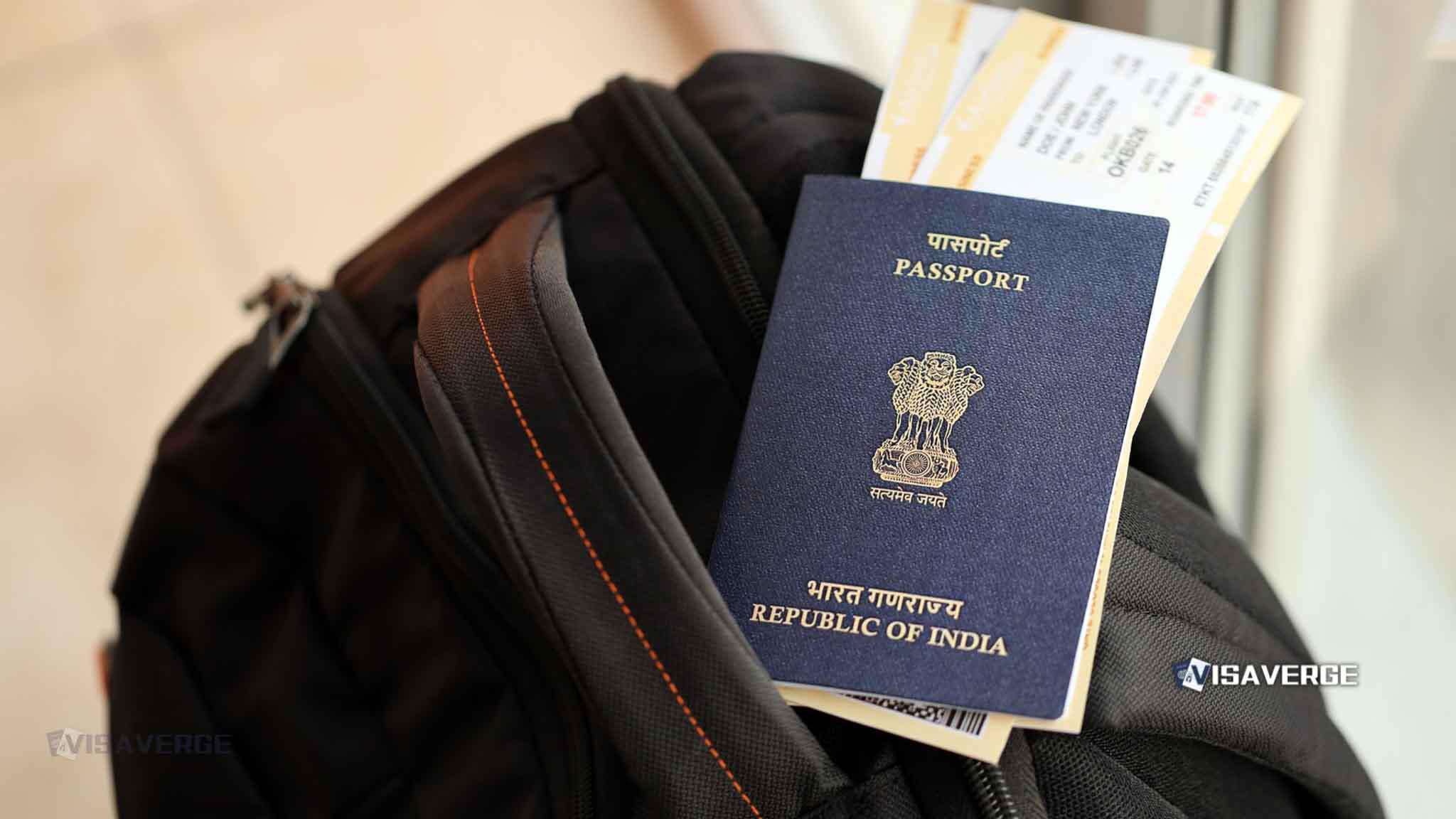
(UNITED STATES) — President Donald Trump expanded a sweeping U.S. entry ban on December 16 to cover a total of 39 countries and the Palestinian Authority, a move set to suspend most immigrant and nonimmigrant visas for affected nationals starting January 1, 2026, with limited exceptions for immediate relatives of U.S. citizens.
Scope of the expanded entry bans

The expanded restrictions build on Proclamation 10949, issued June 4, 2025, which initially suspended entry for nationals of 19 countries, including Afghanistan, Burma, Haiti, Iran, Libya, Somalia, Sudan, Yemen. Countries added to the “Full Ban” list include Syria, Mali, Niger, and Burkina Faso.
- Effective date for suspension of most visas: January 1, 2026
- Total jurisdictions covered: 39 countries plus the Palestinian Authority
- Limited exceptions: Immediate relatives of U.S. citizens (administration materials did not detail application of exceptions)
The entry bans rely on Section 212(f) of the Immigration and Nationality Act (INA), a legal tool the administration has used aggressively in 2025 to restrict entry. The practical impact extends beyond tourist travel to family-based immigration and work visa pathways.
Travel and visa screening changes
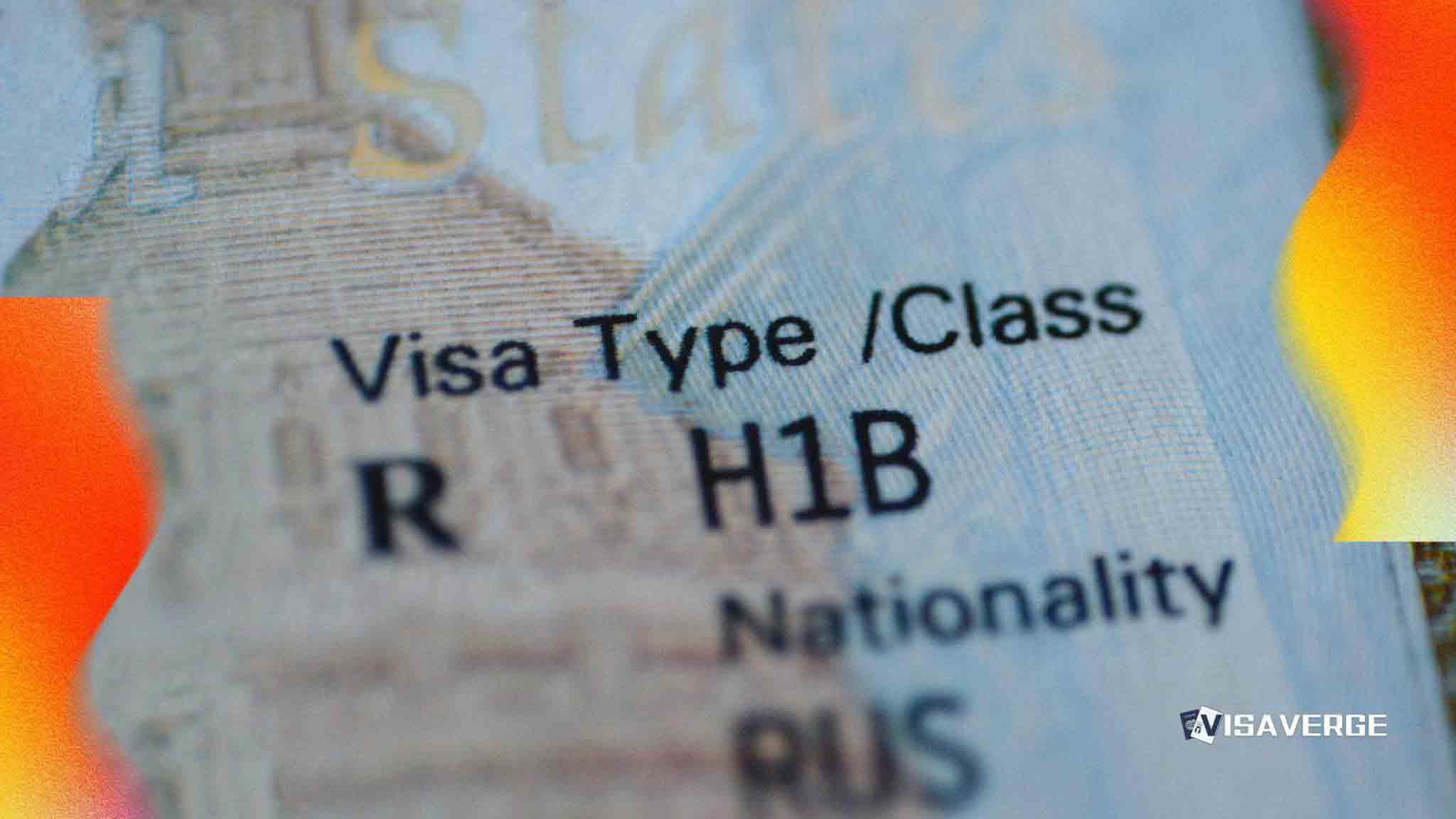
Alongside the travel bans, the State Department broadened “online presence reviews” to all H-1B and H-4 applicants, effective December 15, 2025. Applicants are required to set social media profiles to public for screening.
Other travel- and visa-related moves include:
- Suspension of the Diversity Immigrant Visa Program announced December 18, 2025, with a USCIS memo on December 19, 2025 placing a hold on all pending adjustment of status applications under the program.
- Travel materials and guidance were referenced through the State Department at travel.state.gov.
Changes to employment-based immigration
The administration introduced multiple measures targeting work-based immigration and temporary visas:
- Priority changes for H-1B visas: On December 23, 2025, DHS amended regulations to prioritize higher-skilled and higher-paid H-1B applicants.
- September 19 proclamation: Limited new H-1B entries unless accompanied by a $100,000 payment or meeting national interest exceptions. The summary did not specify payment administration or exact qualifying exceptions.
- “Gold Card” program: Launched in December, this paid fast-track allows applicants to pay a $15,000 DHS fee for “speedy processing” of certain employment-based visas.
- Shortened EAD validity: USCIS reduced the maximum validity period for certain Employment Authorization Documents from 5 years to 18 months, framed as ensuring more frequent vetting.
Asylum and humanitarian protections
The administration made several changes affecting asylum seekers and pending applications:
- Finalized asylum rule: DHS and the Justice Department finalized a new bar on December 29, 2025, taking effect December 31, 2025, that allows asylum to be denied based on “public health risks” and “security threats.”
- Hold on pending asylum applications: USCIS placed a hold on all pending asylum applications on December 2, 2025, describing the move as part of a comprehensive review. The materials did not specify the duration of the hold.
The asylum-related rule was cited through the Federal Register.
Enforcement, removals, and processing statistics
The administration paired policy shifts with enforcement statistics presented as a year-end accounting:
- Over 2.5 million individuals were reported as having left the U.S. in 2025 due to enforcement
- 622,000 formal deportations
- 1.9 million self-deportations
- Since Jan. 20, 2025, USCIS issued approximately 196,600 Notices to Appear (NTAs) to place individuals in removal proceedings.
Naturalization processing and adjudications also changed:
- Average wait times for citizenship increased from 5 months to 8 months
- 24% increase in denial rates for naturalization applications
New enforcement teams and biometric measures
USCIS announced the deployment of “Homeland Defenders,” a new team of special agents tasked with investigating immigration law violators.
- DHS finalized a rule on December 26, 2025, mandating biometric entry/exit tracking for all non-citizens.
Policy on public charge and other regulatory moves
DHS proposed rescinding the 2022 Public Charge rule on November 19, 2025, aiming to restore USCIS discretion to determine whether an applicant is likely to become a “public charge.”
Taken together, the measures span core routes into the U.S. immigration system — travel, employment, and humanitarian protection — while adding procedural friction through additional screening.
Official framing and administration statements
The administration described the year’s immigration agenda as a “sharp reset” following President Trump’s return to office on January 20, 2025, driven by an “America First” approach and a push for “extreme vetting,” as reflected in DHS and USCIS statements.
“In record-time we have secured the border, taken the fight to cartels, and arrested thousands upon thousands of criminal illegal aliens. Under President Trump’s leadership, we are making America safe again and putting the American people first.”
— Kristi Noem, Secretary of Homeland Security, Dec 19, 2025“With Secretary Noem in charge of homeland security, USCIS has taken an ‘America First’ approach, restoring order, security, integrity, and accountability. ensuring that it serves the nation’s interests and protects and prioritizes Americans over foreign nationals.”
— Joseph B. Edlow, USCIS Director, Dec 22, 2025
Legal basis and overall impact
- Legal authority cited: Section 212(f) of the Immigration and Nationality Act (INA)
- Practical impacts: Suspensions and restrictions affect tourist travel, family-based immigration, workplace visas, diversity visa pathways, asylum access, and naturalization timelines.
- Procedural changes: Expanded social media screening, paid fast-track processing, shortened work authorization durations, biometric entry/exit, holds on pending applications, and heightened enforcement placements
Sources and official channels
Official summaries and statements were published through DHS and USCIS channels, including DHS year-end accomplishments and the USCIS newsroom. Travel-related materials were referenced through the State Department at travel.state.gov. The asylum-related rule was cited through the Federal Register.
The Trump administration has enacted a ‘sharp reset’ of U.S. immigration policy. Key measures include expanding travel bans to 40 jurisdictions, prioritizing high-skilled H-1B applicants, and introducing paid fast-track options. Enforcement has intensified with the creation of ‘Homeland Defenders’ and expanded biometric tracking. Additionally, naturalization wait times and denial rates have risen, while asylum access has been restricted under new public health and security rules.