- Immigrants in Minneapolis are using motions to suppress evidence to challenge unlawful stops and arrests during protests.
- President Trump’s potential invocation of the Insurrection Act does not alter standard immigration law or evidentiary burdens.
- Defense strategies prioritize obtaining body-camera and surveillance footage to expose constitutional violations by federal agents.
(MINNEAPOLIS, MINNESOTA) — A motion to suppress evidence obtained through unlawful stops and arrests—often paired with a bond strategy and rapid FOIA/body‑camera requests—has become a front-line defense for immigrants swept into enforcement actions during the week of anti-ICE protests here, as President Donald Trump publicly raised the prospect of invoking the Insurrection Act.
What follows is a defense-oriented guide for noncitizens and mixed-status families affected by heightened federal activity in Minneapolis. It explains how suppression works in immigration court, what evidence helps, what hurts, and why attorney representation is unusually important when enforcement happens amid protests, perimeters, and fast-moving public-safety decisions.
Incident Timeline: What Happened in Minneapolis
Federal activity intensified after two violent encounters involving ICE personnel within a week.
On January 7, 2026, DHS reported that an ICE agent fatally shot Renee Good, 37, during an encounter. DHS has asserted she tried to run over officers. Local officials have publicly disputed elements of that account.
The precise sequence remains contested, and investigations are ongoing.
On January 14, 2026, ICE agents conducted a targeted traffic stop in the Hawthorne neighborhood. Public reporting describes a crash into a parked car, flight on foot, a struggle, and an ICE agent firing a shot that injured a man in the leg.
Two other individuals were arrested after allegedly striking the agent with tools. The agent was also hospitalized.
After the January 14 stop, protests escalated. Authorities reported fireworks and objects thrown at officers. Minneapolis police declared an unlawful assembly and used tear gas and flash bangs.
Mutual aid was requested from state and county partners.
This pattern—an enforcement action followed by rapid crowd control—matters in immigration defense. Stops, perimeter arrests, and “wrong place, wrong time” detentions can raise legal questions about probable cause, reasonable suspicion, and whether evidence was obtained unlawfully.
For historical context on how civil unrest can rapidly escalate, readers may recognize parallels in the early triggers described in (https://www.visaverge.com/news/how-did-the-1992-la-riots-start-key-events-and-timeline/).
Trump’s Statement and the Insurrection Act: What It Is (and Isn’t)
On January 15, 2026, Trump threatened to invoke the Insurrection Act in response to Minneapolis protests. The Insurrection Act is a set of statutes that can authorize domestic military deployment in limited circumstances, generally when ordinary law enforcement is deemed unable to restore order.
Two practical points for immigrants:
- Invoking the Insurrection Act does not change immigration law standards in removal court. The Department of Homeland Security (DHS) still must prove removability by “clear and convincing evidence.” See INA § 240(c)(3).
- Public order operations can increase contacts with law enforcement, which may increase the risk of being questioned, detained, or referred to ICE.
Historically, modern invocations have been rare and often tied to state requests. Public reporting has referenced the 1992 Los Angeles unrest as a prominent example.
Still, Minneapolis is not Los Angeles, and legal authority does not automatically translate into lawful stops of individuals.
Related national reporting has tracked similar rhetoric in Insurrection Act signals.
Local and Federal Responses: Operations, Staffing Scale, and Arrest Activity
Local leaders questioned sustainability and legitimacy. Mayor Jacob Frey described the situation as not sustainable and emphasized the scale mismatch between city staffing and federal presence. Gov. Tim Walz urged restraint and warned against violence. Federal officials criticized state and city leadership.
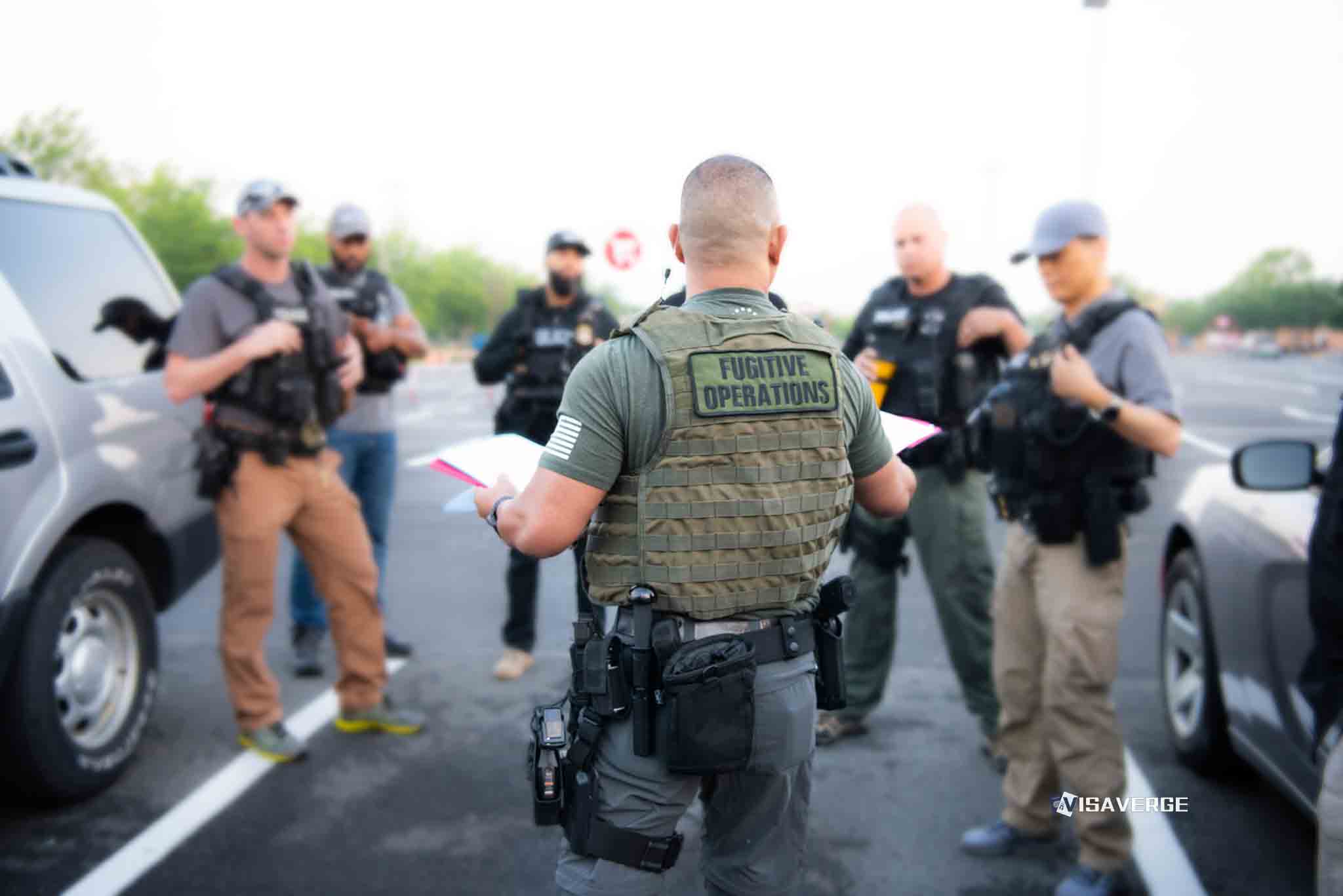
DHS and ICE have described a large footprint tied to “Operation Metro Surge.” The Quick Stats Bar reflects the approximate agent headcount and arrest totals reported in public statements. Even without reciting every number here, the scale matters because it can change daily life.
- More traffic-stop style encounters and surveillance near targeted locations.
- More perimeters and “keep back” zones that can become arrest triggers.
- More rapid transfers to detention, sometimes outside Minnesota.
Defense counsel often prepares for faster timelines and fewer informal off-ramps. That includes immediate requests for charging documents, custody determinations, and video evidence.
For broader context on how communities react when enforcement rises, see arrests surge.
Warning: If you are not a U.S. citizen, do not carry false documents and do not lie about citizenship. A false U.S. citizenship claim can create severe, often permanent immigration consequences. See INA § 212(a)(6)(C)(ii).
The Defense Strategy: Motions to Suppress in Immigration Court
1) The relief/defense to lead with
A motion to suppress asks the immigration judge to exclude evidence the government obtained unlawfully. If key evidence is suppressed, DHS may not be able to meet its burden to prove alienage or removability.
Immigration courts are civil proceedings, and suppression is narrower than in criminal court. But it is real and can be case-changing.
The Board of Immigration Appeals recognized that the Fourth Amendment applies in removal proceedings and that suppression may be appropriate in certain circumstances. See Matter of Barcenas, 19 I&N Dec. 609 (BIA 1988). The Supreme Court limited routine suppression in removal cases but left room for suppression in egregious situations. See INS v. Lopez-Mendoza, 468 U.S. 1032 (1984).
2) Eligibility requirements (what you must show)
Typically, the respondent must make a prima facie showing that evidence was unlawfully obtained. Then the burden may shift, requiring DHS to justify how it got the evidence.
Common legal theories include:
- No reasonable suspicion for a stop.
- Arrest without probable cause.
- Egregious Fourth Amendment violation, such as coercion, physical abuse, or stops based primarily on race or ethnicity.
- Regulatory violations in how arrests or questioning were conducted, depending on the facts and jurisdiction.
The legal test can vary by federal circuit. Minnesota sits in the Eighth Circuit. Circuit-specific standards can affect what qualifies as “egregious.”
3) Evidence typically needed to succeed
Defense counsel often seeks, and judges often weigh, concrete records. Useful evidence may include:
- Body-worn camera and dashcam footage from local agencies.
- Surveillance video from nearby businesses or homes.
- Cellphone videos from bystanders.
- Police CAD logs and dispatch audio.
- Arrest reports, I-213 records, and agent notes.
- Medical records if force was used.
- Witness declarations describing the stop and any commands about perimeters.
- Maps and photos showing barricades, signage, and where a person stood.
FOIA can help, but it can be slow. Counsel may also seek records through criminal discovery if any criminal case exists.
Deadline: Suppression arguments are time-sensitive. Many judges expect them raised early, often at or before the first merits stage after pleadings. Waiting can risk waiver under local practice rules.
4) Factors that strengthen or weaken cases
Stronger suppression cases often include:
- Video contradicting the agent’s narrative.
- Proof the stop was a dragnet or pretext not tied to a specific person.
- Statements obtained after denial of counsel access, threats, or coercion.
- Perimeter arrests where a person was compliant and not interfering.
Weaker cases often include:
- Credible evidence of individualized suspicion.
- A clear lawful basis for arrest unrelated to protest activity.
- Inconsistent respondent testimony.
- Evidence that DHS can prove removability without the contested evidence.
Disqualifying Factors and Practical Limits
Suppression is not a universal remedy. Common limits include:
- Identity evidence is often treated differently. Even if some evidence is suppressed, DHS may still prove alienage through independent records.
- If DHS has prior immigration files, fingerprints, or prior orders, suppression may not end the case.
- Criminal conduct allegations can complicate bond, discretionary relief, and credibility.
If you have any criminal charges, immigration counsel should coordinate closely with criminal defense counsel. A plea can trigger removability under INA § 237(a)(2) or bar relief.
Warning: Avoid signing documents you do not understand, including “voluntary return,” “stipulated removal,” or waivers. Ask to speak with an attorney before signing.
Court Review, Force Limits, and What to Watch Next
A federal lawsuit in Minnesota is testing boundaries on nonlethal force, vehicle stops involving people following ICE vehicles, and arrests tied to police perimeters. U.S. District Judge Kate Menendez was expected to rule by January 16.
Injunctions typically:
- Can be temporary and change fast.
- Bind specific agencies and conduct described in the order.
- Are often appealed, which can pause or narrow their effect.
If limits are imposed, agencies usually respond with updated field guidance and training. That can shift how stops occur, but it does not eliminate enforcement.
For readers tracking how court orders can reshape cooperation, see court orders.
Protests, Spillover Effects, and National Immigration Implications
Protests have continued and reportedly spread nationally. Reports have included detentions near schools and disruptions leading to remote learning.
Public reporting has also described pepper spray use and property damage.
For immigrants, the most realistic risk management is lawful and practical:
- Monitor local emergency advisories and confirmed road closures.
- Track whether a court order limits stops or perimeter arrests.
- Plan for travel disruptions, including delayed commutes to work and school.
If you are a noncitizen traveling domestically, carry evidence of lawful status if you have it. If you are undocumented, seek attorney advice about what to carry, because documents can cut both ways.
Nationally, similar protest spillovers have been covered in nationwide protests.
Deadline: If detained, families should identify the detention location immediately and request a bond hearing as soon as eligible. Bond strategy often begins within days, not weeks.
Realistic Outcomes and Why a Lawyer Is Essential
Suppression motions can succeed in immigration court, but they are fact-driven and vary by jurisdiction. Even when suppression is denied, the motion can still help by locking in testimony, exposing inconsistencies, and supporting later appeals.
Given the scale of federal activity reported in Minneapolis, representation is critical for three reasons:
- Speed: arrests and transfers can happen quickly.
- Evidence: video and witnesses can disappear fast.
- Complexity: protest-related facts raise overlapping constitutional, regulatory, and discretionary issues.
For official information on immigration court processes, consult EOIR at justice.gov/eoir and USCIS at uscis.gov.
Legal Disclaimer: This article provides general information about immigration law and is not legal advice. Immigration cases are highly fact-specific, and laws vary by jurisdiction. Consult a qualified immigration attorney for advice about your specific situation.