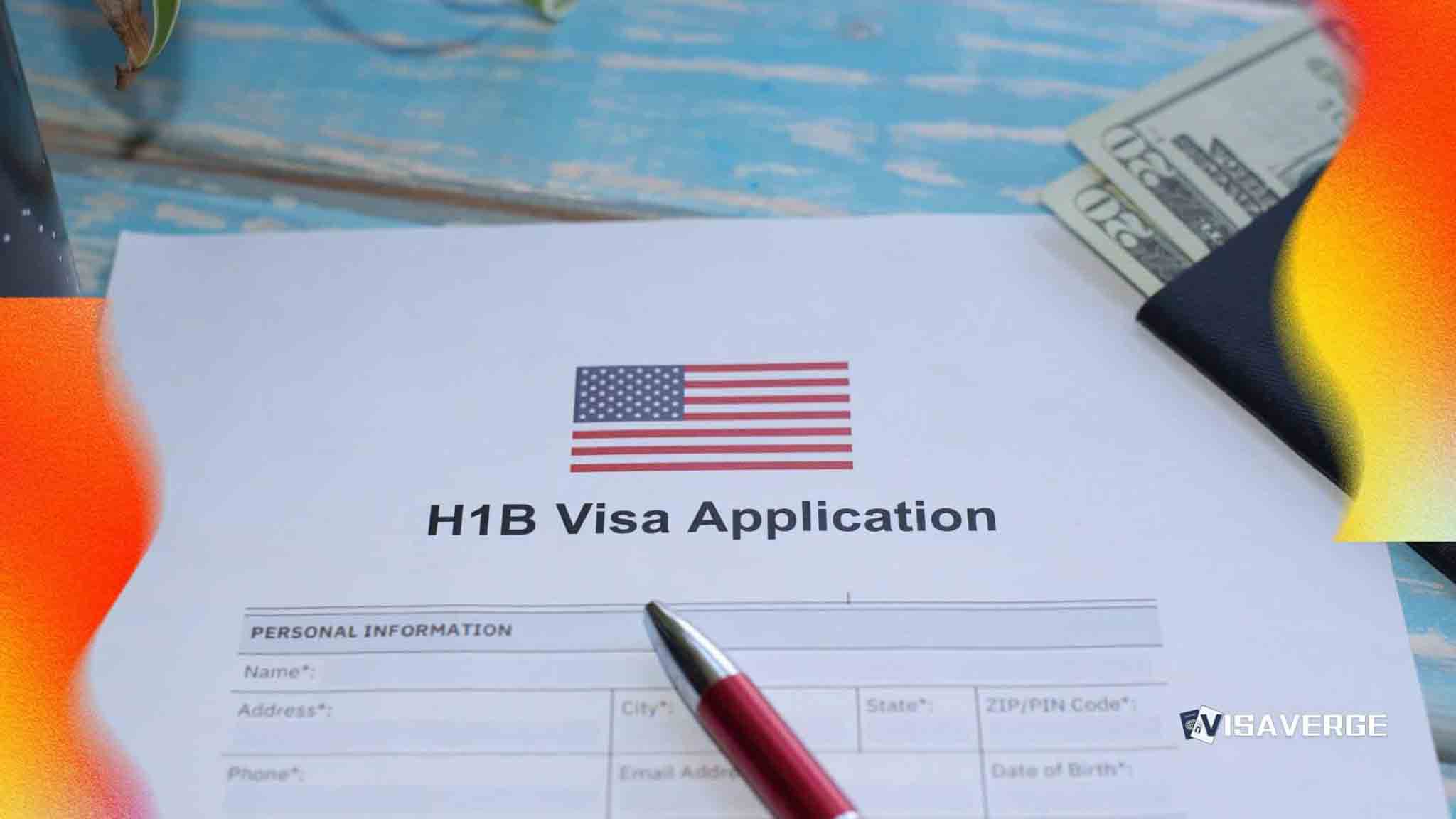
(UNITED STATES) President Trump signed a new Presidential Proclamation on September 19, 2025, tightening rules for H-1B visas and adding a $100,000 fee for many new applications. The measure, which took effect on September 21, 2025, limits the issuance of new visas and narrows entry for some H-1B workers—especially those in lower-salary roles and applicants outside the United States ??. While the administration once argued there was “not much talent in the U.S.,” the latest move reframes that message by steering the program toward higher-paid positions and stressing the protection of wages in jobs that officials say should go to the best-paid, and presumably most specialized, workers.
Scope and effective date
- The $100,000 fee applies only to new petitions filed after the effective date (September 21, 2025).
- The policy does not change the status of people who already hold H-1B approvals; agencies have emphasized that existing visas and work authorizations are not being cancelled.
- The Department of Homeland Security and allied agencies issued clarifications confirming the focus is on new entrants and future filings.
Key takeaway: the proclamation reshapes future hiring practices rather than revoking current approvals.
Policy goals and mechanisms
The administration’s stated aims include:
Free toolH-1B Cost Calculator Online- Protecting wages for jobs that officials say should go to the highest-paid and most specialized workers.
- Encouraging employers to offer higher salaries rather than relying on large volumes of mid‑ or entry-level H-1B roles.
Mechanisms used:
- Imposition of a $100,000 fee on many new filings.
- Endorsement of a weighted lottery that favors higher-salary offers.
- Support for the H-1B and L-1 Visa Reform Act of 2025, which would lock in stricter wage floors and tighter recruitment rules if passed.
Immediate impact on employers and hiring
- Technology firms, particularly in Silicon Valley, face direct consequences. U.S. companies have long relied on H-1B workers from India (about 70%) and China (about 10%).
- Industry leaders warn that higher costs and new barriers could:
- Slow hiring
- Push projects or staffing abroad
- Delay projects with tight deadlines or niche skill requirements
Potential employer responses:
- Shift hiring away from entry-level H-1B candidates toward higher-paid specialists or domestic graduates who can be trained quickly.
- Pay the fee selectively for urgently needed specialized engineers or data scientists where the business case is clear.
- Reduce the total number of H-1B filings while maintaining a smaller set of high‑pay hires.
Effects on applicants and timing
- The proclamation chiefly affects new applicants outside the U.S.
- Clarifications from agencies stress the fee and added barriers target future filings, not current approvals.
- Immigration lawyers note:
- Workers with approved petitions issued before September 21, 2025 are not pulled back.
- Applicants planning to begin work from abroad next year may face a steep cost hurdle or be forced to delay or seek alternatives.
Legislative context: H-1B and L-1 Visa Reform Act of 2025
- If passed, the H-1B and L-1 Visa Reform Act of 2025 would:
- Harden wage rules
- Upgrade recruitment standards
- Bring increased enforcement pressure on employers relying on large numbers of foreign professionals
- Combined with the weighted lottery and the new fee, legislative action would further limit easy paths to hire lower-paid H-1B workers at scale.
Political and rhetorical framing
- Inside government, officials present the change as a correction rather than a break with past policy.
- The administration now emphasizes wage protection as a proxy for skill and scarcity, shifting away from the prior message that there was “not much talent in the U.S.”
- This explains why:
- The $100,000 fee applies only to new filings.
- There is no attempt to cancel existing visas—policy is aimed at shaping future behavior.
Impact on students, immigrants, and families
- Many graduates from U.S. universities who planned to transition to H-1B visas now face uncertainty about employer sponsorship.
- Recruiters expect:
- Some companies to favor American hires for junior roles
- Sponsorship to be reserved for senior engineers or niche experts whose pay fits weighted priorities
- For families and students planning careers, the changing rules complicate long-term choices in training and location.
Reactions from industry and advocacy groups
- Industry groups:
- Call for measured changes rather than sudden cost spikes
- Argue H-1B supports R&D and benefits the country by combining U.S. talent with top international hires
- Worker advocates:
- Support higher wage standards as a way to protect local salaries and preserve pathways for American graduates
- The policy attempts to balance these views by pricing out lower-paid filings while allowing room for higher-end roles.
Practical guidance and resources
- Employers and workers seeking official guidance can review USCIS resources:
- The H-1B program page: USCIS H-1B specialty occupations resource
- Agencies say the underlying statutory framework remains, and they will continue issuing clarifying notes so filings reflect the new standards.
Likely near-term outcome
- The clearest near-term effect: a smaller pool of new H-1B petitions clustered at the top of the pay scale, aligning with the proclamation and lottery changes that favor higher salaries.
- Whether this becomes a long-term reset depends on:
- How employers adapt hiring plans
- Whether Congress advances the H-1B and L-1 Visa Reform Act of 2025
- For now, the $100,000 fee remains the sharpest lever in the administration’s strategy—intended to force a choice between investing in high‑paid foreign specialists or turning more often to domestic hiring.
This Article in a Nutshell
A Presidential Proclamation signed September 19, 2025 (effective September 21) imposes a $100,000 fee on many new H-1B petitions and narrows entry for lower-paid applicants. The administration emphasizes protecting wages and steering H-1B use toward higher-paid, specialized roles via a weighted lottery and backing the H-1B and L-1 Visa Reform Act of 2025. Existing approvals are unaffected. Employers may reduce filings, favor senior specialists or domestic hires, while applicants abroad face higher costs and delays.