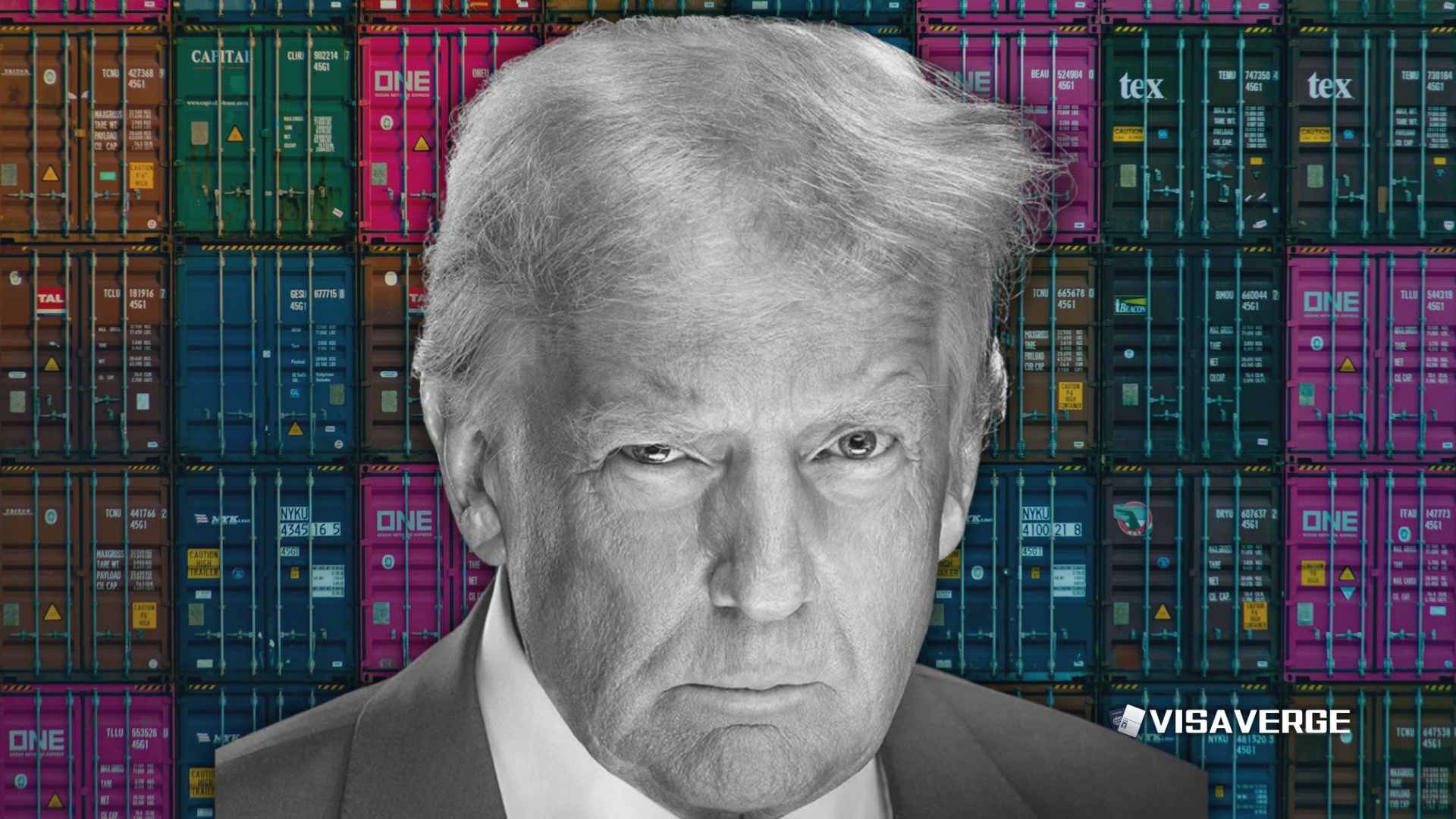
- President Trump has replaced Kristi Noem as Secretary of Homeland Security with Senator Markwayne Mullin.
- Noem’s departure follows controversies over federal spending and discrepancies in her congressional testimony regarding advertising.
- Senator Mullin must undergo Senate confirmation before formally leading the department’s immigration and border agencies.
(OKLAHOMA) — President Donald Trump removed Kristi Noem as Secretary of Homeland Security and named Sen. Markwayne Mullin as his intended replacement, a shift that puts new leadership atop the department that runs the nation’s immigration enforcement and visa operations.
Mullin, a Republican senator from Oklahoma and a close Trump ally, still needs Senate confirmation before he can take over the Cabinet post, leaving the Department of Homeland Security in a transition period that could affect management of USCIS, ICE and CBP.
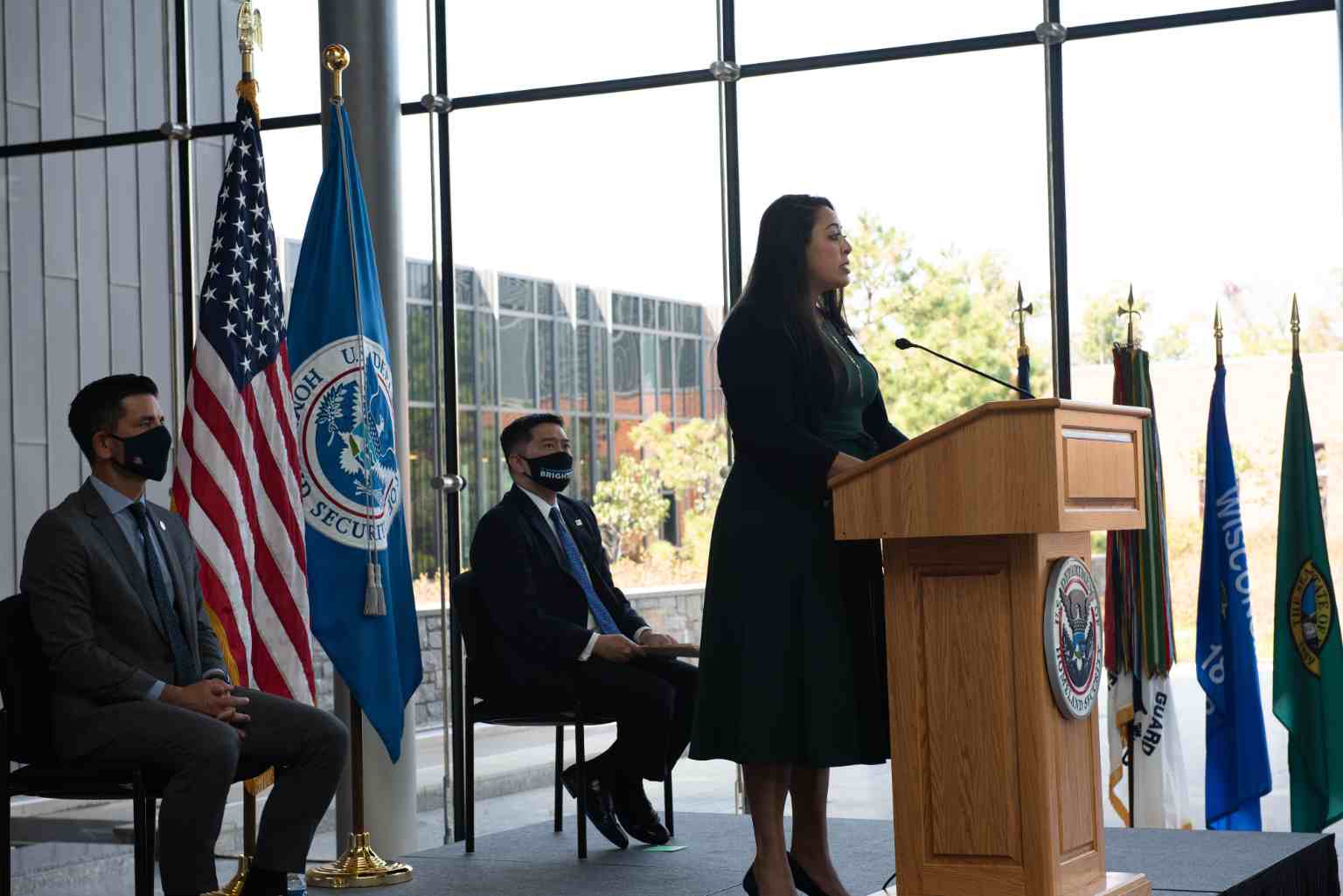
The change matters because the DHS secretary sets direction for agencies that handle border operations, interior enforcement and immigration benefits, including asylum and visa processing, even when day-to-day casework remains in the hands of career staff.
Reports about Noem’s removal tied the decision to controversies that intensified during her tenure and raised questions on Capitol Hill about her leadership and judgment.
Reuters reported that pressure included scrutiny over the fatal shootings of two U.S. citizens by federal officers in Minneapolis, questions about a $220 million DHS advertising contract, and broader criticism of Noem’s performance during congressional hearings.
That advertising dispute became a central flashpoint this week after Noem testified before the Senate Judiciary Committee about a taxpayer-funded campaign designed to encourage migrants to self-deport.
When questioned by Republican Senator John Kennedy about whether “the president approved ahead of time you spending $220 million running TV ads across the country,” Noem replied, “Yes, sir”.
Trump directly contradicted that account, with a senior administration official telling ABC News: “Absolutely not” regarding whether the president signed off on the campaign.
Kennedy confirmed to reporters that Trump had called him about the discrepancy, saying: “his recollection and her recollection are different”.
Beyond the advertising issue, Noem drew bipartisan criticism over aggressive tactics used in immigration enforcement, as well as questions about her conduct in the position, including allegations of a romantic relationship with her chief adviser.
The controversies built pressure inside the administration and on Capitol Hill as lawmakers scrutinized DHS leadership during hearings and debated the department’s operational posture.
DHS also faced a budget shutdown after its funding lapsed, with more than 90% of employees working without immediate pay, adding strain on workplace morale and department management as the leadership dispute unfolded.
Reuters described Noem’s firing as the first removal of a Senate-confirmed cabinet official in Trump’s second term, making the shake-up notable beyond immigration policy.
Trump’s move did not remove Noem from public view entirely.
Time reported that Trump reassigned Noem to a new role as “Special Envoy for the Shield of the Americas,” tied to a Western Hemisphere security initiative that Trump said he will detail at an event in Doral, Florida on Saturday.
In a statement, Noem said she “looked forward to her new role” and praised her accomplishments at DHS, including overseeing mass deportations, providing disaster relief, and cutting costs at the department.
The reassignment lets the administration keep Noem associated with a security message while shifting operational control of the Department of Homeland Security to a nominee Trump appears to trust to manage the department amid heightened scrutiny.
Mullin told reporters his selection was “a little bit of a surprise,” but said he was “excited about this opportunity,” adding “there’s a lot of work we need to do”.
Describing his relationship with the president, Mullin said “the president and I, as you guys know, we’re great friends and we get along great”.
As a sitting senator, Mullin now faces a confirmation process that typically starts with committee consideration and questioning, followed by a Senate floor vote.
The timing for such a vote has not been clarified, leaving uncertainty over how quickly Trump can install him and how long DHS will operate under interim leadership arrangements.
Pending confirmation, DHS leadership continuity can become a practical issue for agencies that depend on clear direction from the secretary’s office, including priorities for enforcement operations, border management, and the handling of immigration benefits.
The Department of Homeland Security oversees USCIS, which adjudicates many immigration benefits; ICE, which conducts interior enforcement and detention operations; and CBP, which runs border and port-of-entry operations.
Leadership changes can shape departmental priorities and internal coordination, influencing the tone and management of enforcement and processing even when formal rules remain unchanged.
The controversies cited in reports about Noem’s removal also show how quickly congressional confidence can shape a Cabinet secretary’s standing, especially when testimony draws direct contradictions from the White House.
Scrutiny over a large-scale ad campaign, questions raised in hearings, and attention to incidents involving DHS employees can turn into political liabilities that ripple through the department’s internal management.
Noem’s testimony on the ad campaign placed her at the center of a dispute about who authorized a major expenditure, and Trump’s denial opened a credibility gap that lawmakers quickly highlighted.
The additional controversies cited in coverage — from fatal shootings to enforcement optics and conduct questions — added to a narrative of operational and oversight flashpoints that can consume leadership attention.
For immigration stakeholders, the significance of a DHS leadership change is often less about one policy announcement and more about management direction across multiple agencies.
A DHS secretary does not personally decide individual cases for H-1B workers, international students on F-1 visas, green card applicants, asylum seekers, or naturalization applicants, but the secretary’s office influences department-wide priorities and coordination across USCIS, ICE and CBP.
Those priorities can shape enforcement emphasis, the consistency of adjudications, workplace compliance posture, and how agencies communicate expectations to employers, schools and immigrant communities.
Changes at the top can also affect how quickly agencies issue written guidance and operational directives, which are typically needed for meaningful shifts in how cases are handled or how enforcement operations are conducted.
Mullin’s public posture and alliances have tied him closely to Trump’s immigration agenda.
Reporting on his nomination has emphasized his support for stronger ICE operations, tighter border control, and a more aggressive “America First” posture on immigration and enforcement.
Even without immediate formal rule changes, leadership messaging can influence how field components interpret priorities, how aggressively managers push internal targets, and how consistently agencies apply discretionary decisions.
At the same time, many of the most durable changes in immigration administration require written guidance, operational directives, or formal rulemaking, which can take time and face scrutiny from Congress and the courts.
The fight over DHS leadership also intersects with Congress’s power of oversight and funding.
Lawmakers can call DHS officials to hearings, demand documents, and apply pressure through appropriations debates that affect staffing, resources, and the department’s operational capacity.
Democrats framed the shake-up as insufficient to address their concerns about how the department operates.
Senate Minority Leader Chuck Schumer, D-N.Y., said Noem’s removal would not change Democratic strategy on DHS funding, arguing: “This is a problem of policy, not personnel. The rot is deep. No one person can straighten this up until the president changes the whole agency, stops the violence and reins in ICE”.
The weeks ahead will offer concrete signals for visa holders, employers, universities and advocacy groups watching for change at the Department of Homeland Security.
Key markers include the pace of Mullin’s confirmation steps, any new DHS or USCIS written guidance, and shifts in enforcement communications from ICE and CBP that indicate changed priorities or management direction.
Institutions often experience these shifts through altered inspection patterns, changes in compliance posture, and differences in adjudication consistency, rather than through a single headline policy announcement.
For now, the leadership change leaves DHS balancing a high-profile reshuffle, a pending confirmation fight, and continued attention to enforcement tactics and oversight questions — dynamics captured in Schumer’s warning that “This is a problem of policy, not personnel.”