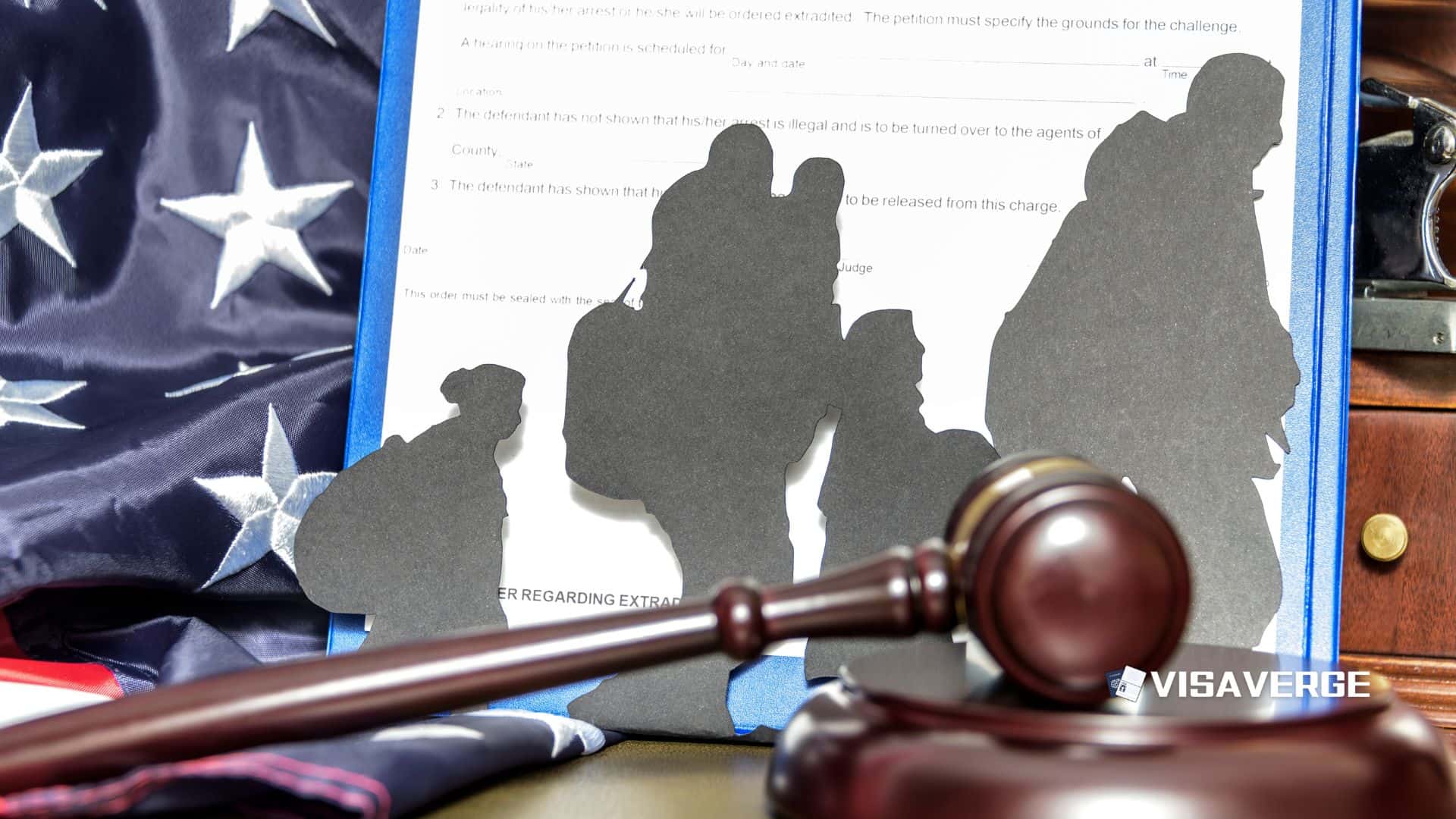
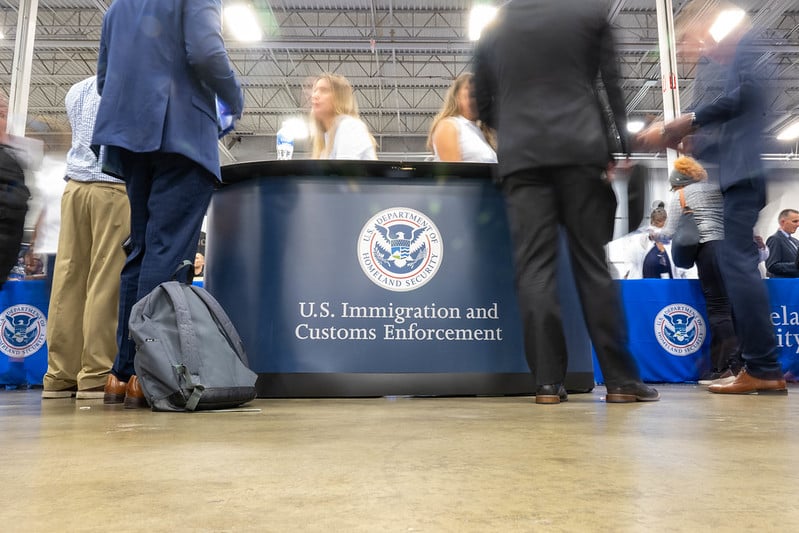
(TEXAS) A sweeping Trump administration executive order and a wave of federal-state enforcement actions are reshaping daily life for Texas migrants in 2025, with more people arrested at check-ins, on streets, and at job sites, and more families bracing for sudden separation. The White House order, titled “Protecting The American People Against Invasion,” set the tone for a tougher immigration policy, pairing new removal priorities with moves that pause or narrow humanitarian programs many newcomers relied on.
Texas officials have embraced the push, putting state police and military resources in the field to help federal agents find and detain people. Lawyers and community groups in Houston and along the border say the result is faster detentions, shorter time to deportation, and a growing fear that even people with no serious criminal record can be swept up in the dragnet in neighborhoods where they once felt safe to work and drive.

Arrests and who is being detained
New data cited by Texas reporting shows the rise is not limited to people with past convictions. In Texas, 42% of those arrested by Immigration and Customs Enforcement under President Trump had criminal convictions, compared with 58% during the final months of President Biden’s term. Advocates say this is an indicator that agents are picking up more people whose main issue is immigration status rather than criminal history.
- Arrests are increasingly happening at:
- Routine ICE check-ins
- Streets and public spaces
- Job sites and workplaces
Advocates say the shift is felt in waiting rooms at routine ICE check-ins, where people who once expected to go home after reporting now face handcuffs and a transfer to detention. Paul Pirela, a Houston-based immigration lawyer, described the enforcement strategy bluntly:
“Deport as many people as possible and as fast as possible.”
He said clients who have lived in Texas for years are calling in panic after a traffic stop or a knock at the door. Some are parents of U.S.-born children, with rent due next week.
Texas’ role and state-federal cooperation
Texas’ role goes beyond rhetoric. Governor Greg Abbott has publicly described a partnership with the White House and ordered the Texas Department of Public Safety to send tactical strike teams to, as his office put it, “work alongside our federal partners to enforce immigration laws.”
State agencies and the Texas Military Department have been directed to assist with arrests, detention, and deportation operations, creating a deeper mesh between state policing and federal immigration authority than many Texas migrants have seen before.
- State activity includes:
- Tactical strike teams embedded with federal operations
- Assistance with arrests and detention logistics
- Transportation program moving migrants to other U.S. cities
Transportation program numbers
The state’s separate transportation program, which Texas figures say has moved tens of thousands of migrants since 2022, is also part of this broader enforcement landscape. Abbott’s office cites:
| Destination | Migrants sent since 2022 |
|---|---|
| New York City | 45,900+ |
| Chicago | 36,900+ |
Advocates say a bus ticket can mean losing touch with lawyers, school records, and medical care, just as enforcement pressure rises at home and children are left confused overnight.
Humanitarian programs, parole, and work authorization
At the federal level, the executive order has been paired with pauses and reviews that touch the legal paths many migrants use to stay and work while their cases move. The source material points to processing being suspended or curtailed for several humanitarian benefits, including:
- Parole-based programs
- Refugee admissions
- Services tied to work permits
For people who entered with humanitarian parole — a temporary permission to be in the United States for urgent reasons — even short processing freezes can mean:
– An expired work card
– An employer who can’t wait and may stop scheduling work
Cesar Espinosa, executive director of FIEL in Houston, said his organization is getting more calls and seeing faster action as enforcement escalates. Federal guidance on parole is posted by U.S. Citizenship and Immigration Services at Humanitarian Parole, but lawyers say policy changes and court orders are shifting quickly, leaving families checking online updates late at night.
Faster detention and legal challenges
Detention is also moving faster. Legal aid groups say that as more people are held, the time between arrest and removal can shrink, making it harder to:
- Find counsel quickly
- Collect documents such as birth certificates and marriage records
- Prepare a defense or gather evidence for immigration court
The source material notes that court rulings and administrative changes have forced the government to resume some processing for certain parole beneficiaries in limited circumstances, while other parole programs have been paused or rescinded. That patchwork has left some Texas migrants with a receipt notice but no work authorization, and others with a pending case that suddenly loses the benefit it started with.
Nonprofit shelters and resettlement agencies, already stretched, report delays or cuts in reimbursements tied to refugee and parole arrivals, reducing staff right as demand rises. Lawyers say detention centers filling up can push transfers across Texas, putting detainees hours away from family visits.
Community impact and civil-rights concerns
Community groups say the human cost is landing in ordinary places: school pick-up lines, apartment complexes, and cash-pay construction sites. When a parent is detained, families can lose the paycheck that covers groceries and rent, and the remaining relatives may avoid churches, clinics, and even the police.
The source material reports:
- Legal aid groups and local reporting have documented people growing afraid to:
- Report crime
- Seek public services
- Fear is driven by concern that a call for help could draw immigration attention
The American Civil Liberties Union has warned that the administration’s stated goal of mass arrests and deportations, and talk of federalizing or deputizing state and local forces, can raise civil-rights risks—especially for communities that already feel targeted. Advocacy groups have also pointed to Project 2025 estimates about how many people, such as TPS holders and DACA recipients, could lose protections if policy shifts continue in the months ahead in Texas.
Routine interactions turning into arrests
In Houston, Dallas, and smaller towns near the border, lawyers say they are seeing more arrests that begin with a routine interaction rather than a long investigation.
- Triggers for arrests now include:
- Missed court dates
- Old removal orders
- Address changes
- Routine ICE check-ins
A missed court date, an old removal order, or an address change can turn into an early-morning pickup, and the person may be moved before family members learn where they are. ICE officers have long had that power, but advocates say the current immigration policy is using it more often and with fewer informal second chances.
Pirela said some clients who had been checking in for years were detained without warning, while others were taken from workplaces after managers were asked to confirm identities. Even people who do not have a serious criminal history may still have immigration warrants, making them vulnerable when state and federal teams share information more closely than before. That risk has changed how families plan errands and work.
Transportation program and fragmented support networks
The state’s bus program, once framed as a political message to distant cities, now intersects with enforcement in ways that advocates say can break apart support networks.
- Consequences of transfers include:
- Missed legal appointments in Texas
- Disruption of ongoing court dockets
- Loss of continuity in shelter systems, school districts, and medical care
When Texas moves migrants to places like New York City or Chicago, relatives may stay behind, and legal appointments in Texas can be missed. Even when a person is not detained, a sudden transfer can push them into a new shelter system, new school district, and new court docket, with little time to adjust.
Service providers say that as the federal crackdown grows, people fear that travel itself can expose them to checks and arrests. For Texas migrants trying to steady their lives, every move can feel like a gamble right now.
Policy framing, legal uncertainties, and “limbo”
Both the state and the Trump administration frame the new approach as law-and-order border security, arguing that tighter rules will deter illegal crossings and restore control.
Civil-rights groups counter that broad sweeps can:
– Pull in long-term residents and asylum seekers
– Catch people who followed prior rules
– Clog immigration courts already short on judges
The source material notes that figures on detentions and removals tied solely to the 2025 actions can vary by dataset and reporting cycle, and that court orders or new memos can block or change how policies are applied.
According to analysis by VisaVerge.com, the mix of faster arrests and slower benefit processing is creating a “limbo” period where many migrants can’t plan work, housing, or school. For lawyers, the speed is the point: timelines that once ran for months can compress into days, leaving little room to prepare a defense in court.
The immediate choices families face
For many families, the policy fight is no longer something on cable news; it is a personal choice between:
- Showing up at an ICE office and risking detention
- Skipping and risking an in-absentia removal order
In Texas, where state troopers may now be closer to federal operations, even a minor stop can carry higher stakes, migrants and their advocates say. Espinosa said the volume of calls reflects that fear, and local groups are trying to keep parents connected to children when a detention happens with no warning.
Some employers, hearing that work permits may be delayed or halted, have told workers to stay home until papers are renewed—a move that can start a fast slide into missed rent and eviction. As the executive order continues to shape immigration policy, families are watching courts, agencies, and state leaders for the next shift, knowing that a single notice can change everything.
A 2025 executive order intensified immigration enforcement in Texas, prompting state-federal cooperation, faster detentions, and arrests at routine check-ins, workplaces and public spaces. Texas has moved tens of thousands of migrants to other cities and paused or narrowed parole and work-authorizing programs, creating gaps in legal protections and services. Advocates warn of family separations, civil-rights concerns, and compressed legal timelines that make mounting defenses and accessing benefits harder for migrants.