Key Takeaways
• Trump announced a trade deal with Indonesia on July 16, 2025, lowering tariffs and boosting US exports.
• Indonesia will pay 19% tariffs on exports to US; US exports to Indonesia face zero tariffs.
• Indonesia will buy $15 billion energy, $4.5 billion farm goods, and 50 Boeing jets under the deal.
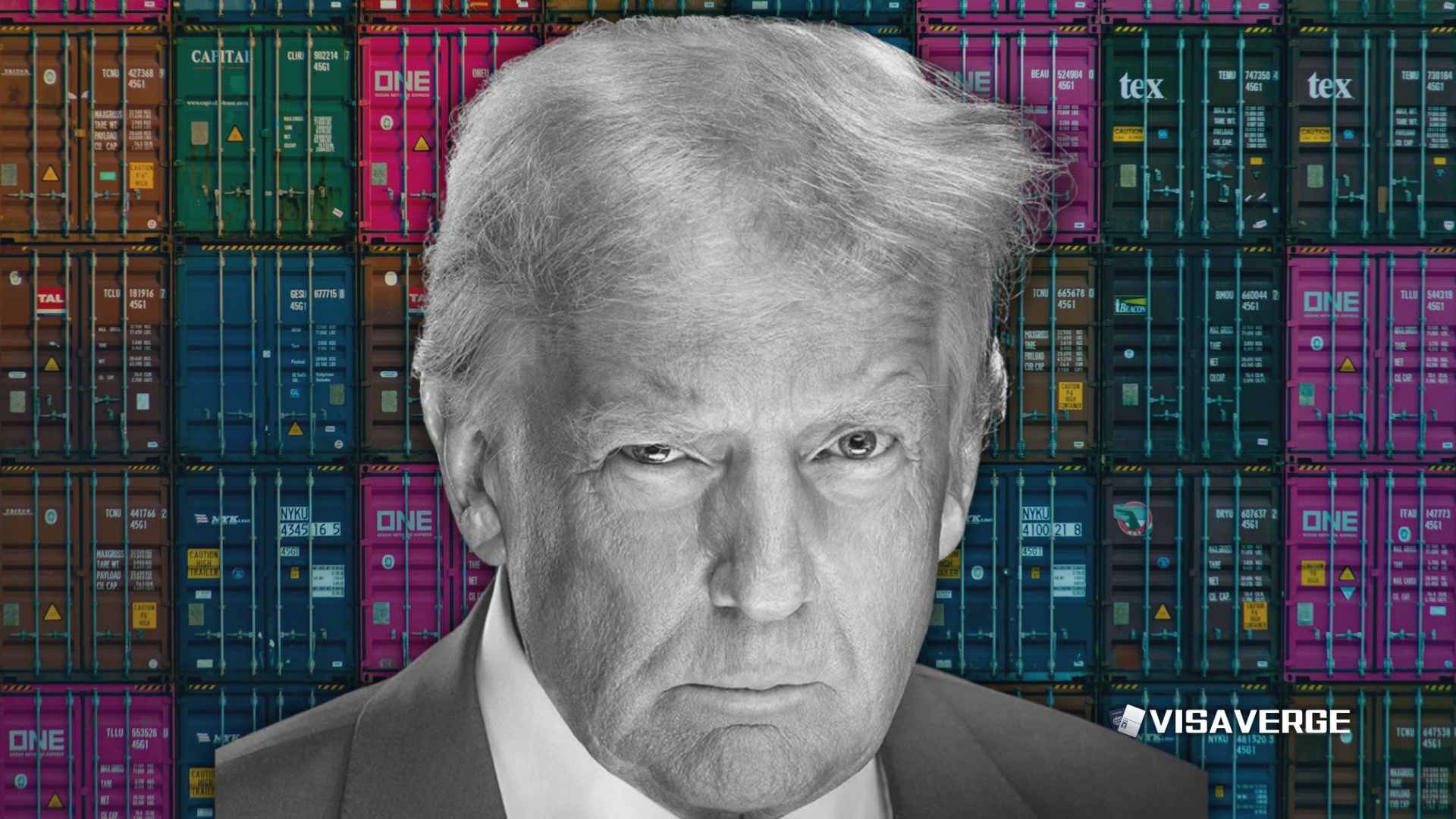
On July 16, 2025, President Trump announced a new trade deal with Indonesia ??, calling it a “great deal” that changes how the United States ?? and Indonesia do business together. The agreement, reached after weeks of tense talks, lowers tariffs on Indonesian goods sent to the United States and removes tariffs on American products going to Indonesia. The deal also includes big purchases by Indonesia of U.S. energy, farm products, and airplanes. This move comes as the U.S. faces deadlines to finish trade talks with several countries, and as other nations, like the European Union, work on their own deals with Indonesia.
What’s in the Deal?
Free toolUSCIS Receipt Number Decoder
The main points of the agreement are:
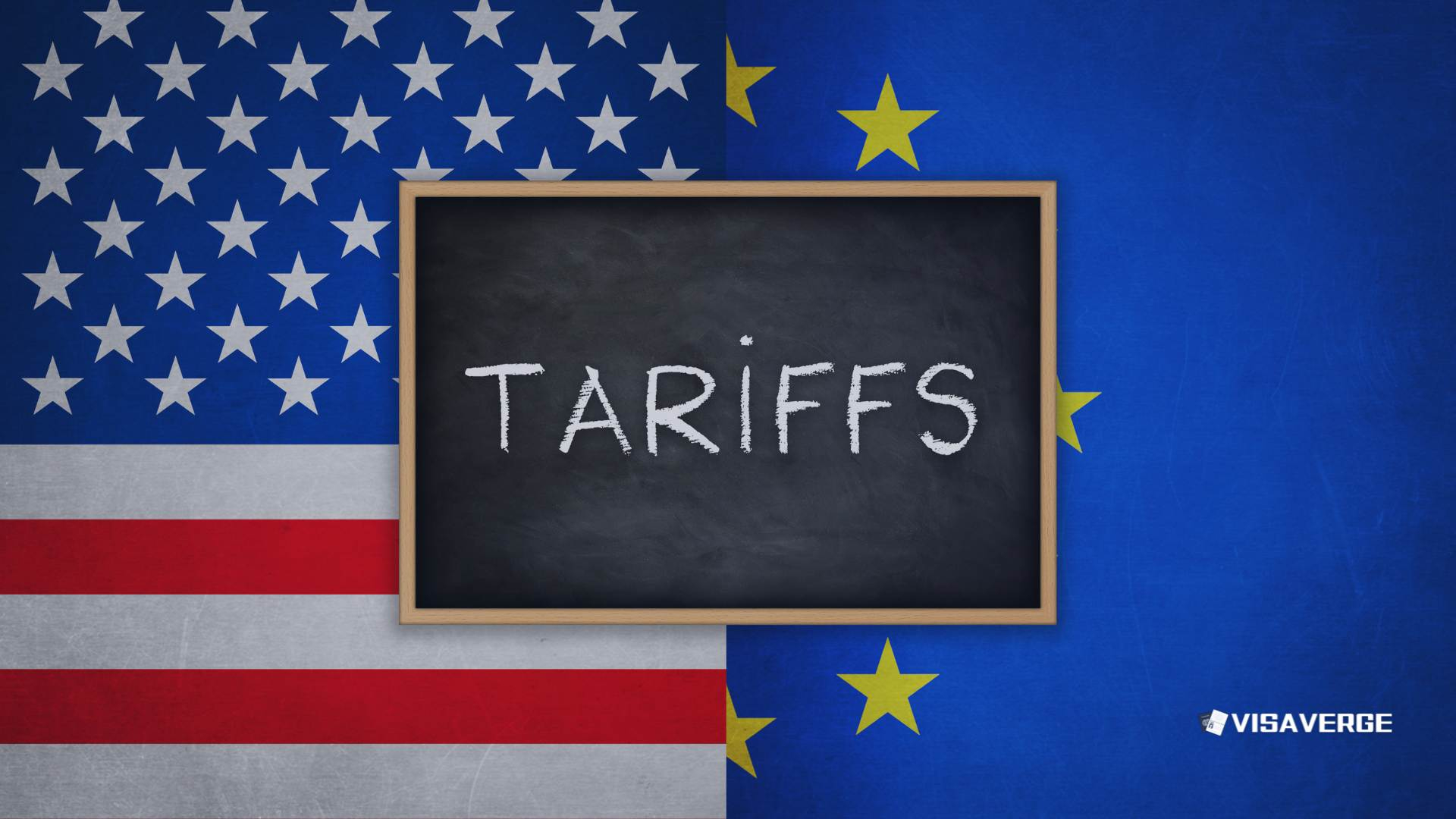
- Tariff Reduction: Indonesia will now pay a 19% tariff on goods it exports to the United States, much lower than the 32% rate that was threatened earlier.
- No Tariffs for U.S. Exports: American products sent to Indonesia will not face any tariffs at all, making it easier for U.S. companies to sell their goods there.
- Big Purchases by Indonesia: Indonesia has promised to buy $15 billion worth of U.S. energy, $4.5 billion in American farm products, and 50 Boeing jets, many of which are the 777 model.
President Trump said, “This is a great deal for both countries,” and pointed out that he worked directly with Indonesia’s president to make it happen. However, Indonesian officials have not yet confirmed all the details of the agreement.
Why Is This Important Now?
This deal is part of a bigger push by the Trump administration to get better trade terms for the United States. The U.S. has been talking with many countries, including Vietnam and Brazil, to try to finish trade agreements before August 1. If deals are not reached by then, the U.S. could raise tariffs on goods from dozens of countries. These higher tariffs would make imported goods more expensive for American buyers and could lead to trade fights with other countries.
How Does This Affect U.S. and Indonesian Exporters?
For American companies, this deal is good news. They can now sell their products in Indonesia without paying extra taxes, which should help them compete with companies from other countries. U.S. exporters of energy, farm products, and airplanes are expected to benefit the most. Indonesia’s promise to buy $15 billion in energy and $4.5 billion in farm goods gives a big boost to these industries.
For Indonesian exporters, the lower 19% tariff is better than the 32% that was threatened, but it is still a big cost. This means Indonesian products will be more expensive in the United States than goods from countries that have free trade agreements. For example, the European Union is close to finishing its own free trade deal with Indonesia, which could give European companies an edge over both U.S. and Indonesian businesses.
Key Details of the Agreement
- Tariff on Copper: Even with the new deal, President Trump announced a 50% tariff on copper and copper products from Indonesia, starting August 1. This is much higher than before and could hurt Indonesian copper exporters.
- U.S. Trade Policy: The Trump administration is using tariffs as a tool to push other countries to make deals that favor the United States. This has led to tense talks and threats of trade wars with countries like Brazil, which has warned it will raise tariffs on U.S. goods if the U.S. goes ahead with its own 50% tariff.
What Do Experts Say?
Trade experts see this as part of President Trump’s plan to make the United States stronger in global trade. Some say the deal will help U.S. companies sell more goods abroad, but others warn that using tariffs can backfire. When the U.S. raises tariffs, other countries often do the same, making goods more expensive for everyone. In fact, the Consumer Price Index, which measures how much things cost for regular people, went up 2.7% in June. Many experts blame Trump’s trade policies for some of this increase.
According to analysis by VisaVerge.com, the deal’s benefits for U.S. exporters are clear, but the higher tariffs on copper and the risk of trade fights with other countries could make things harder for some businesses and consumers.
Background: U.S. Trade Policy and Global Competition
The United States has been working to change its trade relationships with many countries. President Trump’s approach is to use tariffs—taxes on imported goods—to push other countries to agree to deals that help American businesses. This has led to tough talks with countries like Vietnam, Brazil, and now Indonesia.
The timing of the deal is important. The U.S. set an August 1 deadline to finish trade talks. If deals are not made, the U.S. will raise tariffs on goods from many countries. This puts pressure on countries to agree to U.S. terms, but it also risks starting trade wars if other countries fight back with their own tariffs.
Meanwhile, the European Union is close to finishing a free trade agreement with Indonesia. This deal would remove almost all tariffs between the EU and Indonesia, making it easier for European companies to do business there. If the EU deal goes through, U.S. companies could find it harder to compete in Indonesia, even with the new agreement.
Reactions from Key Players
- President Trump: He called the agreement a “great deal” and said it would help both countries. Trump stressed that the deal was made through direct talks with Indonesia’s president.
- Indonesian Government: So far, Indonesia has not officially confirmed all the details of the deal. This has led some experts to wonder if there are still issues to work out.
- Chinese Officials: China has responded to U.S. trade policies by supporting free trade and working with other countries in Southeast Asia. This could make China a more attractive partner for countries like Indonesia if U.S. trade policies become too tough.
What Does This Mean for Regular People?
For American workers and farmers, the deal could mean more jobs and higher sales if Indonesia follows through on its promise to buy more U.S. goods. For Indonesian businesses, the lower tariff is better than before, but it still makes it harder to sell products in the United States compared to countries with free trade deals.
For consumers, the picture is mixed. On one hand, more trade can mean more choices and lower prices. On the other hand, if trade fights lead to higher tariffs, prices for many goods could go up. The recent rise in the Consumer Price Index shows that trade policies can affect what people pay for everyday items.
Practical Effects and Next Steps
Here’s how the deal could play out for different groups:
- U.S. Exporters: They will see immediate benefits from zero tariffs on goods sent to Indonesia. This could help them sell more products and create jobs.
- Indonesian Exporters: They avoid the worst-case scenario of a 32% tariff, but a 19% rate is still high. They may need to find ways to cut costs or focus on products that are less affected by tariffs.
- Copper Industry: The new 50% tariff on copper and copper products is a big blow to Indonesian copper exporters. They may need to look for new markets or reduce exports to the United States.
- Consumers: If trade tensions continue, prices for some goods could rise, affecting families and businesses in both countries.
Possible Solutions and Ways Forward
To make the most of the deal, both countries will need to:
- Follow Through on Promises: Indonesia must keep its promise to buy U.S. energy, farm products, and airplanes. The United States must keep tariffs low on Indonesian goods, except for copper.
- Work on More Agreements: Both sides could look for ways to lower tariffs even further, especially if the EU-Indonesia deal goes through. This would help both U.S. and Indonesian companies compete globally.
- Avoid Trade Wars: The U.S. and Indonesia should try to solve any new problems through talks, not by raising tariffs. This will help keep prices stable and protect jobs.
What Should Businesses and Individuals Do Now?
- U.S. Exporters: Companies should look for new opportunities in Indonesia, especially in energy, agriculture, and aviation. They should also watch for any changes in Indonesian rules or tariffs.
- Indonesian Exporters: Businesses need to plan for the 19% tariff and the 50% copper tariff. They may want to focus on products that are less affected or look for new markets.
- Consumers: People should keep an eye on prices for imported goods. If tariffs go up, some products may become more expensive.
Looking Ahead: The Future of U.S.-Indonesia Trade
The next few months will be important for U.S.-Indonesia trade. If both countries follow through on the deal, trade could grow, helping businesses and workers on both sides. However, the upcoming EU-Indonesia free trade agreement could change things. If European companies get better access to Indonesia, U.S. companies may need to work harder to compete.
Trade experts say it’s important for the United States to keep working on deals that help American businesses, but also to avoid trade fights that can hurt consumers. As reported by VisaVerge.com, the Trump administration’s use of tariffs has brought both new deals and new risks. The key will be finding a balance that helps workers, businesses, and families in both countries.
Official Resources and Further Reading
For more information about U.S. trade policies and agreements, you can visit the Office of the United States Trade Representative (USTR). This site has up-to-date details on trade agreements, tariffs, and how they affect businesses and consumers.
Summary and Takeaways
- President Trump announced a new trade deal with Indonesia ??, lowering tariffs and opening markets for both countries.
- U.S. exporters benefit from zero tariffs on goods sent to Indonesia, while Indonesian exporters face a 19% tariff on goods sent to the United States.
- Indonesia has promised to buy $15 billion in U.S. energy, $4.5 billion in farm products, and 50 Boeing jets.
- A new 50% tariff on copper from Indonesia could hurt that industry.
- The deal comes as the U.S. faces an August 1 deadline to finish trade talks with many countries.
- The upcoming EU-Indonesia free trade agreement could affect how well U.S. companies compete in Indonesia.
- Experts warn that using tariffs can lead to higher prices for consumers and trade fights with other countries.
- Both countries should work to keep their promises, avoid trade wars, and look for ways to lower tariffs even more.
By staying informed and watching how these changes play out, businesses and individuals can make better decisions about trade, jobs, and prices. The new deal between the United States ?? and Indonesia ?? is a big step, but it’s just one part of a changing world of trade.
Learn Today
Tariffs → Taxes imposed on imported or exported goods to control trade flow and protect domestic industries.
Free Trade Agreement → A pact between countries to reduce or remove tariffs and barriers on traded goods.
Consumer Price Index → A measure that examines the average change in prices paid by consumers for goods and services.
Exporters → Companies or countries that sell goods and services to another country for trade.
Trade Wars → Economic conflicts where countries impose tariffs or restrictions on each other’s goods to gain advantage.
This Article in a Nutshell
On July 16, 2025, Trump revealed a major trade deal with Indonesia cutting tariffs and expanding U.S. exports. Indonesia agreed to buy billions in U.S. products, while tariffs on copper remain high. This deal aims to strengthen U.S. trade before an August 1 deadline amidst rising global tensions.
— By VisaVerge.com