(UNITED STATES) — The Trump administration is considering action that would require U.S. banks to collect and verify customers’ citizenship status, a move that could expand immigration enforcement into everyday banking, WSJ reports.
Banks today must gather basic identifying information when customers open accounts, but the reported proposal would add a new compliance step by asking for citizenship info and then verifying it through documentation and bank systems.

The idea has drawn attention across immigration, consumer finance and privacy circles because it could affect who can open or keep a bank account, and what information financial institutions must collect and share.
White House spokesman Kush Desai pushed back this week on coverage of internal deliberations, saying, “Any reporting about potential policymaking that has not been officially announced by the White House is baseless speculation.”
At the center of the discussions sits a familiar regulatory framework for banks: anti-money-laundering rules and “Know Your Customer” standards that already require identity checks as part of the Bank Secrecy Act.
Officials have considered a potential executive order or regulatory action routed through the U.S. Department of the Treasury and the Financial Crimes Enforcement Network (FinCEN), using Bank Secrecy Act authority to modify KYC requirements to add citizenship verification.
Under existing KYC rules, banks are required to collect a customer’s name, date of birth, and address, typically via a driver’s license, to prevent money laundering. Banks are not currently mandated to verify citizenship as part of that onboarding process.
Adding a citizenship field would likely force banks to rework compliance procedures, update account-opening software, train staff, and adjust audit processes, because verification would require document review and recordkeeping beyond the identity basics banks already collect.
A separate set of administration messages has amplified the focus on data-sharing and immigration-related information flows, even when officials have not directly tied those efforts to banks.
A DHS spokesperson said on February 11, 2026: “Information sharing across agencies is essential to identify who is in our country. identify what public benefits these aliens are using at taxpayer expense.”
Consumer finance policy also shifted in January. Acting Director Russell Vought withdrew prior guidance that discouraged lenders from asking about immigration status, saying, “We are correcting the last administration’s attempt to ignore these well-accepted and common-sense principles of our nation’s fair lending laws.”
That CFPB move matters to banks and other financial firms because it signals that immigration-status questions may become more common in consumer-facing practices, even as the reported banking proposal focuses on citizenship info rather than lending eligibility.
Support has emerged on Capitol Hill as the proposal circulates. Senator Tom Cotton (R-AR) voiced support on February 25, 2026, saying that the “American banking system is a privilege that should be reserved for those who respect our laws and sovereignty.”
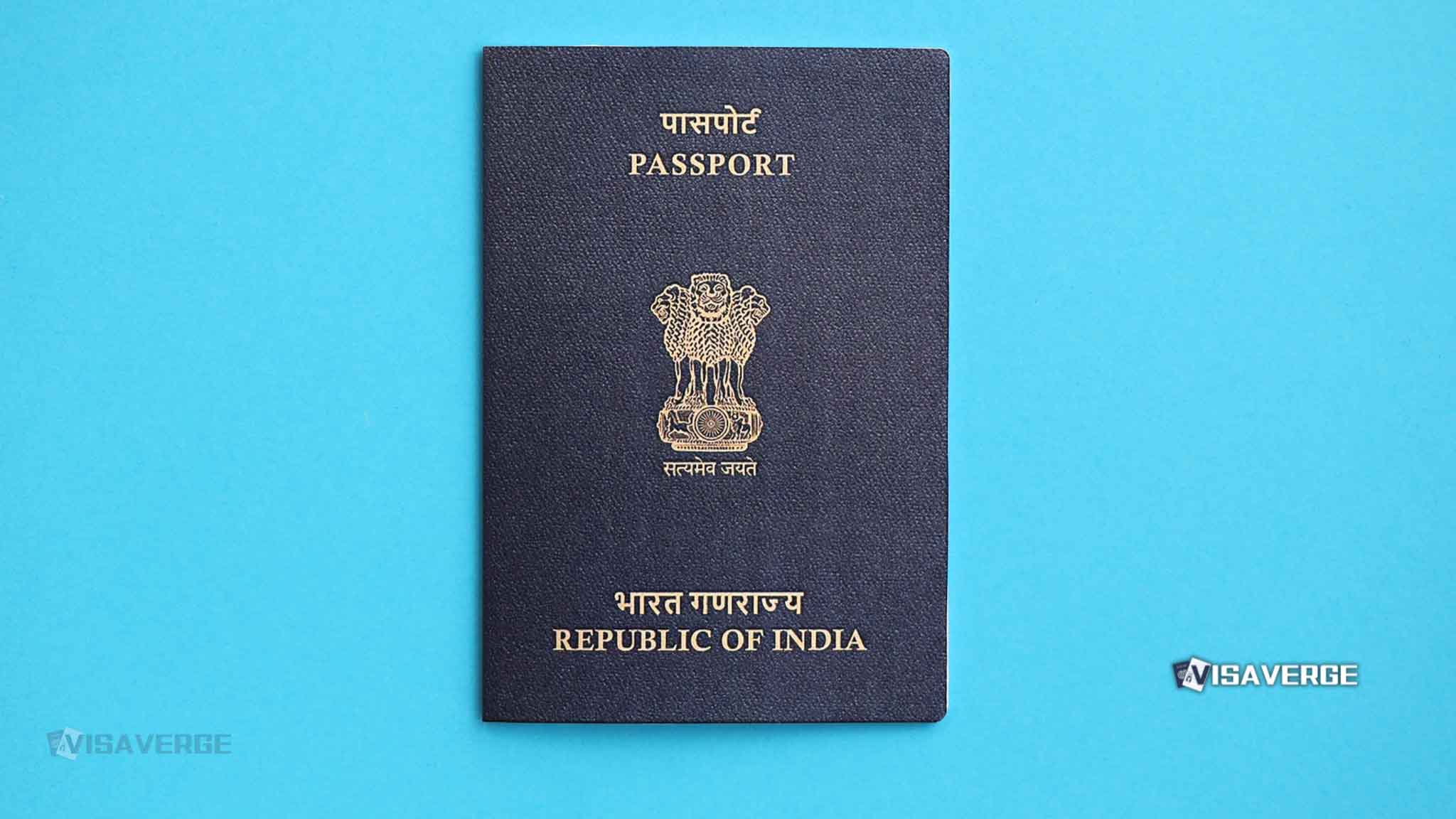
In practice, the reported policy could require banks to request a passport or other proof of citizenship from both new and existing account holders, which would mark a sharper shift for customers who have never needed citizenship documentation to maintain a checking account.
Banks could implement verification by collecting documents such as a passport or birth certificate, and the compliance burden would rise further if banks had to apply the same standard retroactively to existing customers rather than limiting it to new account openings.
That potential retroactive element has driven concerns inside the financial sector about the scale of any review, including how banks would handle documentation, verification tools, and customer service demands for large account populations.
Warnings about access and exclusion have also intensified. Industry experts and advocates warn that a requirement could bar millions of people from the banking system, and the proposal lands in a country where approximately 50% of the U.S. population does not possess a passport.
Non-citizens could feel the impact first. Lawful residents and undocumented individuals may face account closures or be unable to open new accounts if they cannot provide specific citizenship documents, turning routine banking into a status gate.
U.S. citizens could also face new friction if they lack immediate proof of citizenship, such as a passport or birth certificate, with any document request potentially forcing branch visits and delays that are unusual in today’s account maintenance.
Critics argue that restricting mainstream banking access pushes people toward high-cost, unregulated financial services, increasing vulnerability to fraud and theft, while banks have also raised concerns about the “unworkable” nature of retroactively verifying millions of existing accounts and the potential loss of foreign deposits.
Privacy concerns sit alongside the compliance debate, especially as the proposal follows recent reports of the Internal Revenue Service improperly sharing taxpayer address data with Immigration and Customs Enforcement, an action that was recently challenged in federal court on February 11, 2026.
For consumers trying to follow developments, the most direct updates would typically appear in FinCEN releases and Treasury regulatory updates, as well as DHS press releases and consumer finance announcements from the CFPB and the Justice Department. USCIS provides broader immigration policy context through its newsroom, but it is not the banking regulator; readers can monitor uscis.gov/newsroom alongside dhs.gov/news-releases and fincen.gov, and rely on official regulatory text and agency releases rather than secondhand summaries, including the Jan. 12, 2026 withdrawal notice at justice.gov/opa/pr/department-justice-and-consumer-financial-protection-bureau-withdraw-joint-statement-fair.
Trump Administration Weighs Requiring Banks to Collect Citizenship Info, WSJ Reports
The Trump administration is deliberating a regulatory shift to mandate citizenship verification in the U.S. banking system. By leveraging anti-money-laundering frameworks, the proposal would require banks to collect and verify citizenship documents. This potential executive action faces significant pushback from privacy advocates and the financial sector due to concerns over retroactive compliance, data privacy, and the exclusion of individuals without passports from essential financial services.