- A new federal memo directs ICE to detain refugees who miss their one-year green card filing deadline.
- Advocates in Iowa report crowded conditions and limited access for detainees in local county jails.
- The policy reverses previous guidance that shielded refugees from detention due to administrative government backlogs.
(IOWA) — The ICE Enforcement“>Trump administration memo signed by USCIS Director Joseph Edlow and ICE Acting Director Todd Lyons directs ICE to detain certain refugees who fail to apply for green cards within one year of arriving in the United States, a shift that Iowa advocates say has already fed more arrests into local jails and raised fresh questions about due process.
The directive, described in court documents tied to a federal case involving arrested refugees in Minnesota, instructs immigration officers to “detain and inspect” refugees who do not meet the one-year filing expectation so the government can re-vet them for fraud, national security threats, and criminal history.
Edlow and Lyons’ memo reverses 2010-era guidance that generally shielded refugees from detention when delays stemmed from government backlogs rather than misconduct, according to the same court filings and advocates tracking the policy’s rollout.
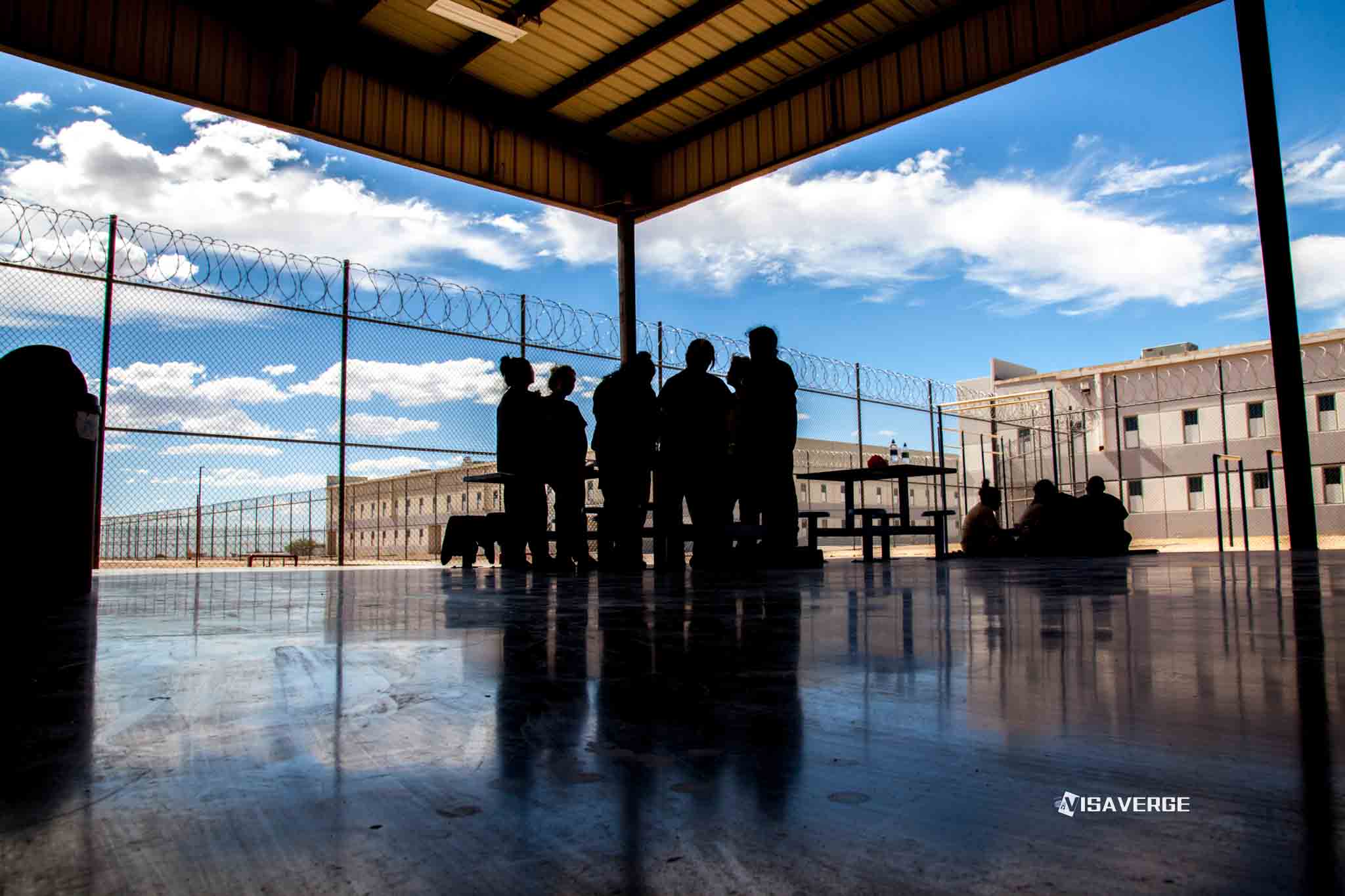
In Iowa, refugee and immigrant advocates have linked the federal shift to an intensifying detention pipeline that runs through county jails, including Linn County Jail, where detainees and community members describe crowded conditions and limited access that can shape the outcome of immigration cases.
Refugees enter the United States through a government-run resettlement process that includes extensive screening before arrival, and advocates say the new approach treats missed paperwork timelines as grounds for custody even when people believed they were following established practice.
Court documents in the Minnesota case described the memo’s rationale as an inspection and enforcement step aimed at identifying fraud and security concerns, reframing the green-card filing expectation as a compliance trigger rather than an administrative milestone.
The policy could affect tens of thousands of people, especially refugees admitted under the Biden administration, the documents said, as immigrant groups warned that missed deadlines and processing delays can stack up for families trying to navigate work, housing, and resettlement requirements.
Iowa-specific concerns have centered on Linn County Jail, which has held migrants from across the state as ICE increases bookings under federal contracts that pay local facilities per detainee per day. County-level critics have questioned what the public can see about those arrangements and whether local capacity and budgets can absorb the churn of prolonged immigration detention.
Community members have described the jail’s role as part of a wider federal contracting pipeline in which DHS and ICE rely on county facilities for bed space and custody while immigration cases move through civil courts, often far from the detainees’ homes and support networks.
Those detentions have fueled calls for clearer accounting and oversight, including how much money counties receive under federal per-diem structures and what operational responsibilities local jails assume when holding people for ICE.
Nellmarie Barrios, a Linn County resident, told county supervisors in late February that she opposed “full cooperation with ICE” and described what she called intimidation at immigration check-ins, including denying a heated waiting room to parents with children in sub-zero temperatures.
Barrios urged county officials to treat detainees with dignity, her remarks adding to a public debate that has mixed local budget questions with fears that refugees and other legally present immigrants can be swept into detention after routine reporting requirements.
Inside the jail, detainees and advocates have described overcrowding and basic-conditions concerns, including reports that cells have held more people than designed for and that some have slept on floors.
Advocates also cited rigid schedules, including early evening lights-out, and said detainees have struggled with access to phones and the paperwork needed to prove eligibility for relief, communicate with attorneys, and keep up with court deadlines.
Those constraints can matter in immigration court, where missed appearances can trigger removal orders and where the ability to gather documents and coordinate with counsel often determines whether a case advances, stalls, or ends abruptly.
Advocates in Iowa pointed to at least one case they said resulted in a removal order after a missed hearing, a consequence they linked to detention barriers that can make it harder for people to receive notices, contact lawyers, or arrange transportation and communication in time.
Community reports have also highlighted what they described as indefinite detention lasting months or years without bond hearings, until a recent class action ruling restored them, challenging practices that began after July 2025 and ended decades of standard bond releases.
National refugee groups and Iowa organizers have argued that the new detention posture breaks with longstanding expectations communicated to refugees during resettlement, including the idea that delays caused by government processing should not be treated like violations.
Krish O’Mara Vignarajah, CEO of Global Refuge, called the new approach “unprecedented” and a “stunning betrayal,” pointing to the extensive vetting refugees already undergo before they arrive.
Beth Oppenheim, CEO of HIAS, said the policy threatens “arrest and indefinite detention” for people who are legally present in the United States.
Shawn VanDiver, President of AfghanEvac, called it a “reckless reversal” that punishes refugees who relied on prior rules about timing and adjustment.
Hans Van de Weerd, IRC Senior VP for Resettlement, urged the government to halt the practice, warning that it retraumatizes people by using government delays as a pretext for custody.
Advocates say the shift also sends a message beyond detention itself, with the threat of arrest potentially chilling refugees from attending check-ins, seeking help, or engaging with systems that resettlement agencies rely on for integration.
They have also framed the memo as a break with the premise of the U.S. resettlement program, which brings refugees through a formal process and then expects them to rebuild their lives, work, reunite with family members when eligible, and comply with evolving immigration requirements.
In Iowa, the federal move has landed amid state-level political crosscurrents over how closely local law enforcement should work with ICE and where immigration arrests should be permitted.
Republican proposals in the state have sought to expand or formalize cooperation between local agencies and federal immigration enforcement, placing pressure on counties and cities to clarify how they respond to detainers, transport requests, and joint operations.
Separately, lawmakers have debated school-related verification reforms after the September 2025 detention of De Mo Public Schools Superintendent Ian Roberts, a Guyana citizen who ignored a May 2024 removal order and lied about status, according to the same account of state debates.
Democrats’ Black and Brown Caucus has pushed a competing bill that would ban ICE detentions at certain community locations, including schools, churches, and courthouses, reflecting a broader national argument over whether immigration enforcement should stay away from places people use for education, worship, and civic life.
Those disputes have unfolded as communities weigh how federal enforcement choices shape local institutions, from jails that hold people under DHS contracts to schools and churches that immigrants often see as safe points of contact.
The national reach of the memo has also come into sharper focus through reported investigations and referrals. USCIS launched January 2026 investigations into Minnesota refugees without green cards, referring cases to ICE, according to the court documents and advocates citing the effort.
The investigations highlight how cases can move from administrative scrutiny to enforcement custody, especially when immigration agencies treat an adjustment filing timeline as a compliance test rather than a target that can slip because of backlogs, family disruption, or confusion about requirements.
Advocates and attorneys have also focused on what they see as unanswered implementation questions, including how officers determine whether a refugee “fail[s] to apply” within a year, what notices people receive, and how quickly detention follows an investigation or referral.
In Iowa, those questions have become immediate for families trying to locate detained relatives and for community groups attempting to connect detainees with counsel before hearings occur, deadlines pass, or cases become harder to reopen.
For county officials, the debate has included whether federal per-diem detention revenue offsets the costs and operational strain of holding larger numbers of ICE detainees, especially when stays stretch from days into weeks or longer.
For refugees and their advocates, the core worry is that a pathway created by the U.S. government can now funnel legally admitted people into detention over paperwork timing, with the practical ability to fight a case constrained by the very custody the memo directs.