(TORONTO, CANADA) — Dozens of people gathered at Nathan Phillips Square on Saturday for an anti-immigration rally organized by the Canada First Movement, drawing a significantly larger counter-protest led by Community Solidarity Toronto and labor groups.
Joe Anidjar, founder of the canada first movement, organized the anti-immigration rally, which called for an end to “mass immigration,” citing concerns over tax dollars and cultural identity.

Rally and counter-protest
Roughly 150 people attended the counter-protest, which included the Toronto & York Region Labour Council and the Urban Alliance on Race Relations, as participants sought to confront what they described as anti-immigrant messaging.
Toronto Police initially reported 11 arrests and later updated that figure to 9 arrests near the intersection of Queen Street West and Bay Street.
Although the gathering was a domestic Canadian event, city officials and activists linked the rally’s rhetoric to developments in the United States, where immigration enforcement actions and political messaging have intensified in recent days.
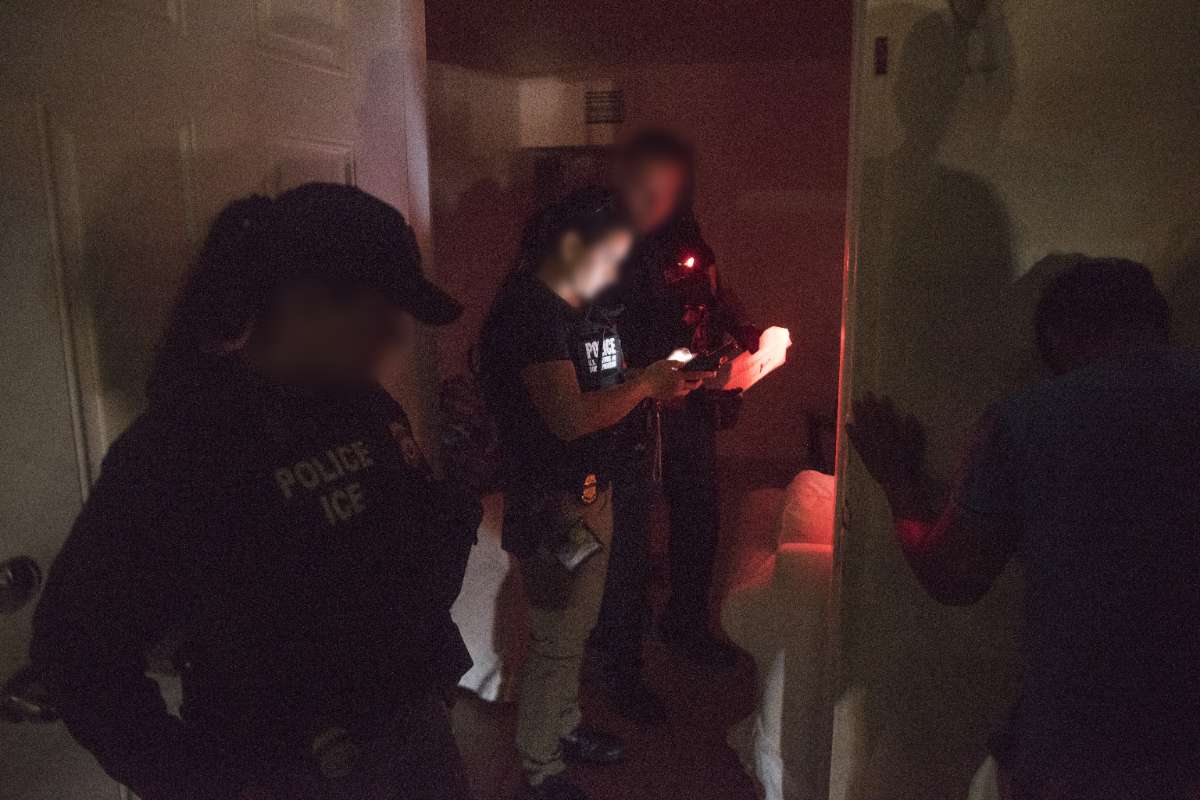
Toronto officials and counter-protesters pointed in particular to a fatal shooting by an ICE officer in Minneapolis just days earlier, describing it as part of a cross-border climate that can shape how protests in Canada are framed.
U.S. statements and policy context (January 2026)
In the same week as the Toronto anti-immigration rally, senior U.S. officials issued statements about protests and enforcement actions that were referenced by activists in Canada, even though neither USCIS nor DHS issued a statement specifically addressing the Toronto gathering.
On Sunday, January 11, 2026, dhs spokesperson Tricia McLaughlin commented on nationwide protests following a fatal ICE shooting in Minneapolis, saying: “The First Amendment protects speech and peaceful assembly — not rioting, assault and destruction. DHS is taking measures to uphold the rule of law and protect public safety and our officers.”
Three days earlier, on January 8, 2026, DHS Secretary Kristi Noem defended the officer involved in the Minneapolis shooting of Renee Good. “The investigation will show the ICE officer did ‘everything right.’ [Renee Good] weaponized her vehicle in an attempt to kill or cause bodily harm to federal law enforcement.”
USCIS Director Joseph Edlow also issued a memo and subsequent statements on X about a freeze on asylum decisions and tighter screening language that has circulated widely in immigration debates. “[USCIS has] halted all asylum decisions until we can ensure that every alien is vetted and screened to the maximum degree possible. USCIS is ready to uphold the law and ensure the refugee program is not abused.”
DHS launched what it called the “largest immigration operation ever” on January 6, 2026, deploying 2,000 federal agents to the Minneapolis–St. Paul area in an operation titled Operation PARRIS. Toronto activists cited the operation as a “warning” of where anti-immigrant rhetoric leads.
Activists in Toronto also highlighted U.S. enforcement actions launched earlier in the week, pointing to how large-scale operations in one country can be used to bolster narratives in another, even when legal systems and immigration agencies differ.
Cross-border influence and local reaction
The references to Minneapolis underscored how quickly U.S. enforcement news can travel north, shaping the arguments used at a Canadian protest and influencing how immigrant communities interpret risk, safety, and political intent.
Counter-protest organizers argued that the spread of “First” movement messaging across borders is part of what made Saturday’s demonstration feel urgent, even as Canadian immigration policy and U.S. asylum processing are governed by different institutions.
The Toronto rally also drew attention because participants used language similar to the Trump administration’s “America First” platform, a framing that activists and officials said has become a recognizable template beyond U.S. politics.
Councillor Neethan Shan criticized the rhetoric surrounding the rally, saying it “deliberately spreads fear” and “creates a foundation for further racism.” Shan and others pointed to the January 7 death of Renee Good in Minneapolis as evidence of how enforcement and rhetoric can intersect in ways that raise concerns about public safety.
Toronto activists said the anti-immigration rally and similar events can make the city feel less safe for refugees and immigrants, arguing that newcomers are being blamed for the affordability crisis and turned into political targets.
Impact on affected individuals
For families with cross-border ties, the U.S. policy posture described by Edlow added another layer of uncertainty, particularly for people tracking asylum processing timelines while also watching public protests and enforcement news.
Edlow’s statement that USCIS has “halted all asylum decisions” signaled a pause that can leave applicants waiting without decisions, while also raising anxiety for those trying to plan around an unresolved legal status.
The same memo referenced the re-vetting of thousands of refugees admitted between 2021 and 2025, a detail activists said has contributed to “legal limbo and high anxiety” among people with U.S. cases or relatives in the United States.
Saturday’s demonstration in Toronto unfolded amid those broader tensions, with counter-protesters arguing that rhetoric aimed at immigrants can harden quickly into policy postures, even if the policy decisions themselves are made elsewhere.
Where to find official updates
For readers seeking official statements and updates, DHS posts releases and remarks through its DHS Newsroom, and USCIS publishes adjudication and policy messaging through the USCIS Newsroom.
U.S. policy changes tied to immigration processing can also appear through formal publication channels, including the Federal Register entry referenced for a premium processing fee increase (Jan 11, 2026).
Canadians reviewing cross-border conditions and official advisories can consult the Government of Canada’s travel guidance, including its travel advice for Canadians, which was updated Jan 1, 2026.
Tensions rose in Toronto as anti-immigration groups and counter-protesters clashed at Nathan Phillips Square. While the rally focused on Canadian domestic issues like cultural identity and taxes, participants and city officials heavily referenced U.S. immigration policy shifts and enforcement operations. The arrest of nine individuals marked the intensity of the confrontation, underscoring how cross-border political rhetoric impacts local social cohesion and the perceived safety of immigrant communities.