(TEXAS) — Texas Senate Bill 8, effective January 1, 2026, requires county sheriffs in Texas counties with populations over 100,000 who operate a jail to enter a federal immigration enforcement partnership known as a 287(g) agreement with U.S. Immigration and Customs Enforcement (ICE). The state gives counties until December 1, 2026 to reach full compliance.
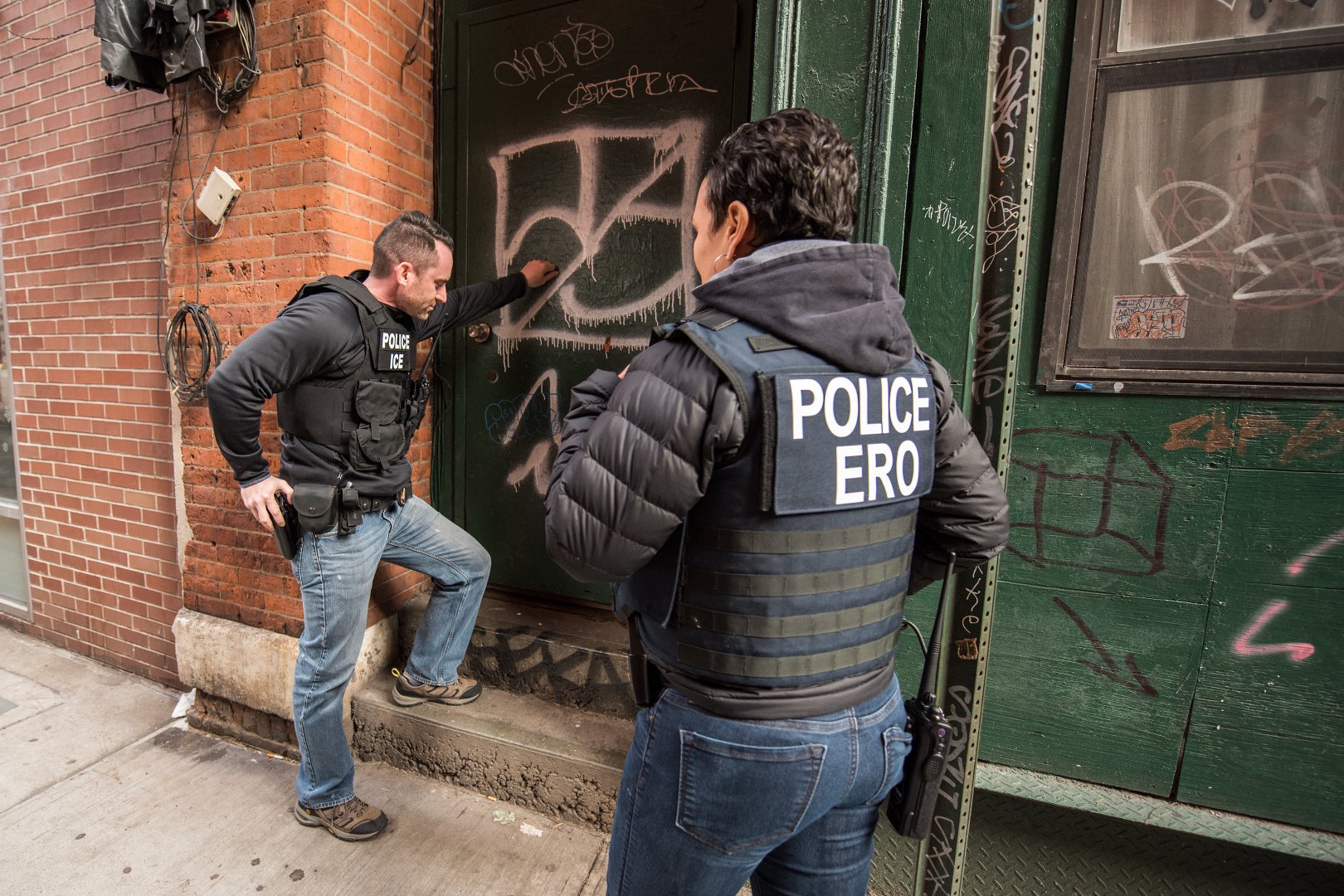
The law’s launch is already reshaping local enforcement choices, with some agencies moving toward ICE Task Force models that allow trained local officers to conduct certain immigration functions during routine policing. Because 287(g) partnerships link local law enforcement and federal immigration authority, both sheriffs and community members should understand what the law requires, what federal law allows, and what non-compliance can trigger.
The legal authority behind 287(g) and Texas Senate Bill 8
Federal authority. The 287(g) program stems from INA § 287(g), which permits the federal government to enter written agreements with state or local law enforcement agencies. Under these agreements, qualified local officers may perform limited immigration officer functions, under ICE training and supervision.
Federal implementing rules and operational terms are typically set through the agreement documents and ICE guidance, rather than a single all-purpose regulation. In practice, participating agencies must follow the signed memorandum of agreement (MOA), ICE training requirements, supervision, reporting, complaint procedures, and periodic audits described by ICE.
State mandate. Texas Senate Bill 8 (89th Legislature, June 2025) makes participation mandatory for sheriffs meeting the population and jail-operation threshold. Smaller counties may participate voluntarily. SB 8 also authorizes the Texas Attorney General to sue to enforce the mandate, and it ties participation to a state grant program administered by the Texas Comptroller.
Who must comply, and what “compliance” means in plain terms
Who is covered.
– Texas county sheriffs who operate a jail, and
– Counties with populations over 100,000 (as defined under the statute and relevant population data).
What compliance requires. In practical terms, compliance generally means the sheriff must:
1. Apply for a 287(g) partnership with ICE.
2. Negotiate and sign an ICE MOA selecting a permitted model.
3. Assign personnel for vetting, training, and certification.
4. Adopt written policies for arrests, detainers, civil immigration enforcement steps, complaint handling, and recordkeeping.
5. Operate the program consistent with ICE oversight and the MOA.
Because SB 8 requires entry into a 287(g) agreement, counties should treat “compliance” as more than a symbolic application. ICE approval timelines can vary. Counties typically need time for training slots, background checks, and operational start-up.
DEADLINE CALLOUT — Texas SB 8
– Effective date: January 1, 2026
– Full compliance target: December 1, 2026 (per SB 8)
– Covered sheriffs should plan backward for ICE processing and training time.
Choosing among the 287(g) models: why the decision matters
ICE commonly offers three operational models. SB 8 requires a 287(g) agreement, but counties typically choose which model to implement. The model selected will shape scope, staffing, training, budget, and civil‑rights exposure.
- Task Force Model (TFM). The broadest option. May allow trained deputies to question individuals about immigration status and make certain immigration-related arrests during field encounters (for example, traffic stops). Expect higher community impact and greater training, supervision, and complaint-management needs.
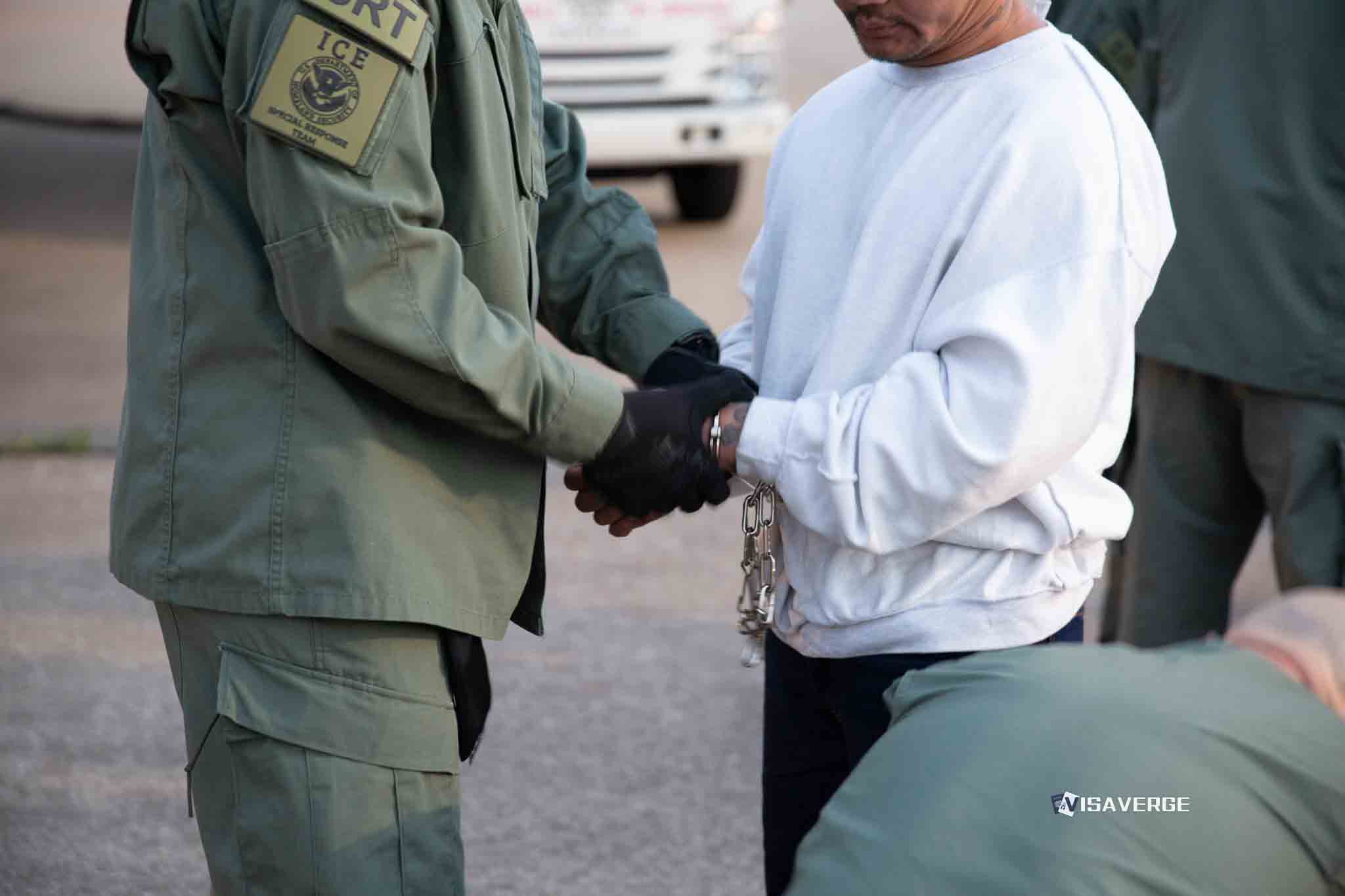
- Jail Enforcement Model (JEM). Narrower in scope; typically focuses on people already booked into local custody. Deputized jail staff screen for removability and begin processing steps while the person remains in custody for a local charge.
- Warrant Service Officer (WSO). Often the narrowest operational footprint. Deputies typically serve ICE administrative warrants on individuals already in the jail setting.
Selection is a compliance issue because the MOA binds the sheriff’s office to the model’s scope. It also affects staffing, budgeting, training hours, and potential civil-rights exposure.
Quick comparison table
| Model | Typical scope | Primary setting | Community impact |
|---|---|---|---|
| Task Force Model (TFM) | Broad: field encounters & traffic stops | Community / patrol | High |
| Jail Enforcement Model (JEM) | Screening of booked individuals | Jail booking | Moderate |
| Warrant Service Officer (WSO) | Serve ICE warrants on detained persons | Jail / warrant service | Low–Moderate |
Practical compliance steps for sheriffs and counties (what to document)
To reduce the risk of state enforcement actions and federal program failures, counties commonly focus on a few core workstreams.
1) Program governance and policies
– Written policies should address:
– Scope of authority under the MOA.
– When officers may initiate immigration questioning or processing.
– Supervisory review and escalation to ICE.
– Complaint intake and investigation.
– Language access and interpreter protocols where needed.
2) Training and certification controls
– Only trained and authorized officers should perform delegated functions.
– Maintain:
– Training completion records.
– Rosters of certified personnel.
– Shift assignments and supervision logs.
3) Data and recordkeeping
– A defensible audit trail is critical. Agencies often track:
– Encounters initiated under the program.
– Referrals to ICE and outcomes.
– Timeframes for holds or warrant service.
– Complaints, investigations, and corrective actions.
WARNING CALLOUT — Overreach risk
A 287(g) agreement does not create unlimited authority. Actions outside the MOA may increase suppression litigation risk in criminal cases and civil liability exposure.
Deadlines, filings, and funding: what agencies should calendar now
State compliance date. SB 8 sets a December 1, 2026 compliance deadline. Counties should treat ICE onboarding as a multi-step process, not a single filing.
Grant funding. Texas has described grants administered through the Texas Comptroller to offset costs. Larger counties may be eligible for larger grants; smaller participating counties may receive smaller grants. Agencies should document eligible costs and procurement steps, and follow local procurement rules.
ICE application mechanics. ICE publishes program details and participation steps through its 287(g) program page. The process commonly includes:
– Agency outreach and application,
– MOA negotiation,
– Training scheduling,
– Implementation milestones.
DEADLINE CALLOUT — Planning benchmark
Agencies that wait until late 2026 may face training bottlenecks. Many counties will need months for MOA finalization and officer certification.
Consequences of non-compliance (state, federal, and local)
- State enforcement. SB 8 authorizes the Texas Attorney General to sue sheriffs who do not comply. Litigation could compel action and create budget and political pressure.
- Federal program consequences. ICE may limit, pause, or terminate an agreement if an agency does not follow the MOA, training rules, or supervision requirements. That can produce repeated onboarding cycles and lost investment.
- Local exposure. Operational inconsistencies can increase claims of unlawful stops, unequal treatment, or improper detention. While 287(g) is a civil immigration tool, it often intersects with criminal enforcement and constitutional standards.
How SB 8 and “protected areas” policy shifts may affect residents
Federal policy changes described by DHS in early January 2026 indicate reduced limits on enforcement actions in or near locations previously treated as “protected areas,” such as schools and churches. Even when a county’s 287(g) model is jail-based, residents may see increased ICE involvement after local arrest bookings.
For noncitizens, the practical compliance takeaway is this: contact with local law enforcement may more frequently trigger immigration screening, referrals, or ICE custody decisions. That does not mean every encounter leads to removal; outcomes depend on status, criminal history, prior orders, and eligibility for relief.
Exceptions, limits, and guardrails
- County-size limitation. SB 8’s mandate applies to counties above the population threshold; smaller counties may participate voluntarily. That is a statutory limit, not a federal one.
- Model limits. A signed MOA sets operational limits. The chosen model defines what deputized officers may do.
- Individual rights and relief. People placed into removal proceedings may be eligible for relief such as:
- Asylum (INA § 208)
- Withholding of removal (INA § 241(b)(3))
- Protection under the Convention Against Torture
Immigration court procedures run through EOIR Immigration Court, with appeals to the BIA and then federal circuit courts.
WARNING CALLOUT — Get individualized counsel fast
If ICE places a hold or initiates removal proceedings, deadlines can move quickly. People should consult a qualified immigration attorney as early as possible.
Compliance tips for affected communities and employers
- Carry valid ID and know your documents. Noncitizens should keep copies of immigration filings and proof of status in a safe place.
- Do not guess your immigration history. Prior orders, entries, and arrests can change options.
- Have a family preparedness plan. Include emergency contacts and childcare arrangements.
- Employers should review I-9 practices. A rise in local‑federal cooperation can coincide with workplace enforcement. Follow federal I-9 rules and avoid discriminatory practices.
For official program descriptions and updates, readers can consult ICE and EOIR directly.
Government resources
– ICE 287(g) program: ICE 287(g) program
– EOIR Immigration Court: EOIR Immigration Court
– USCIS: USCIS
⚖️ Legal Disclaimer: This article provides general information about immigration law and is not legal advice. Consult a qualified immigration attorney for advice about your specific situation.
Resources:
– AILA Lawyer Referral
Texas Senate Bill 8 compels large counties to adopt ICE 287(g) partnerships, effectively turning local law enforcement into federal immigration agents. With a final compliance deadline of December 1, 2026, sheriffs must choose operational models that define their scope of authority. The law includes state funding through the Comptroller and enforcement mechanisms via the Attorney General, significantly impacting local policing and community relations across Texas.