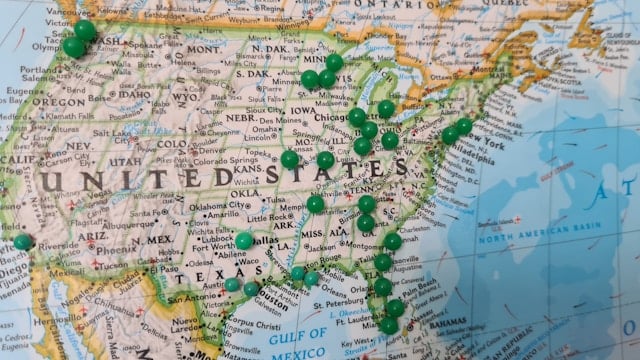
(NEW HAMPSHIRE) Local and state police agencies across New Hampshire have begun signing agreements with U.S. Immigration and Customs Enforcement that let officers take on limited federal immigration duties, part of a rapid expansion of the 287(g) program in New England as President Trump’s administration pushes a wider crackdown in 2025. In the past months, ICE approved 12 agreements in New Hampshire and one with the Massachusetts Department of Correction, the source material says.
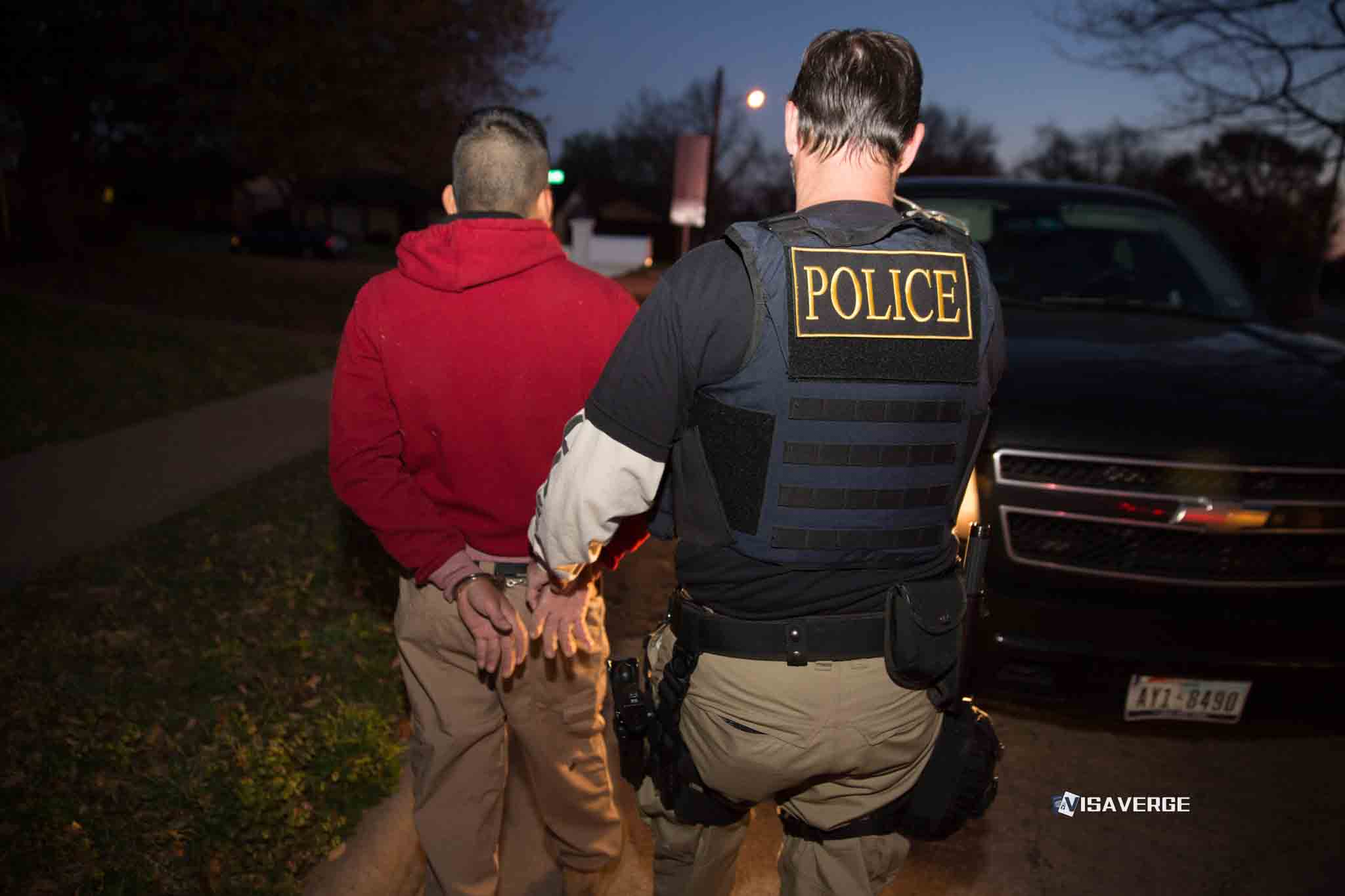
The pacts, known as 287(g) agreements, deputize local officers to carry out tasks normally reserved for federal agents, such as helping identify people suspected of being in the country without legal status and holding them for ICE. New Hampshire State Police, county sheriffs and local departments started signing in late February 2025, according to the material, and ICE moved quickly to approve the deals even though the state has a “fair and impartial” policing policy that bars stops based only on immigration suspicion.
What the agreements allow and why they matter
- Purpose: Deputize local officers to perform certain federal immigration tasks (identification, holds for ICE).
- Scope: Applies to state police, county sheriffs, and local police departments that sign the pacts.
- Timing: Sign-ups began in late February 2025, with rapid ICE approvals thereafter.
Supporters say the agreements give local agencies a way to respond when they run into immigration issues during everyday policing. Critics warn that routine encounters can turn into deportation pipelines.
Enforcement surge and related tactics
The new deals come as federal enforcement in the region has surged.
- ICE arrests in New England have quadrupled to 8,848 since early 2025, the material says.
- Deportations have risen tenfold compared with 2024.
- In Massachusetts, “Operation Patriot 2.0” produced 1,400 arrests in September.
ICE has also paired the 287(g) program with other tactics that extend beyond detention centers:
- Courthouse arrests in Massachusetts have increased.
- Workplace raids have been reported.
- Agents draw intelligence from Vermont’s Law Enforcement Support Center, a federal hub that helps police check names against immigration and criminal databases.
For immigrant families, advocates say this mix can make any contact with the justice system feel risky, even when the original matter is minor.
“Allowing local law enforcement to be deputized to kidnap and disappear immigrants undercuts the trust that local police rely on to maintain public safety.”
— Rep. Pramila Jayapal
Federal funding and staffing driving growth
The expansion of local partnerships has been fueled by federal money and staffing plans.
Key budget figures from the source material:
| Item | Amount / Plan |
|---|---|
| Big Budget Act (July 2025) total for ICE over four years | $75 billion |
| Annual average from that act | $18.7 billion annually |
| Additional prior FY2025 funding | $10 billion |
| Funds aimed at arrests and deportations | $30 billion (with plans to hire 10,000 new officers) |
| Funds directed to detention capacity | $45 billion (for more than 100,000 people yearly) |
| DHS unrestricted grants available to locals | $10 billion |
Those numbers matter in city halls and sheriff’s offices because they signal an enforcement system that expects more arrests and more detention beds. The Department of Homeland Security’s offer of $10 billion in unrestricted grants can make 287(g) agreements tempting for agencies worried about budgets.
Local concerns and operational impacts
Some local leaders and police chiefs argue that immigration work can:
- Pull officers away from core duties like traffic safety and domestic violence response.
- Expose departments to legal and political fights.
- Blur the line set by the state’s “fair and impartial” policing policy, which is meant to prevent stops based on race, nationality, or immigration assumptions.
Civil rights lawyers say the line can blur if local officers begin asking about birthplace or papers during ordinary calls. The policy does not stop federal agents from acting on their own, but it does set a local standard intended to limit bias-driven stops.
Political response and proposed legislation
Members of Congress have seized on concerns about trust between communities and police.
- Rep. Mike Quigley (D-IL) has argued that people stop reporting crimes and stop serving as witnesses if they fear a call to the police could end with ICE.
- Rep. Pramila Jayapal (D-WA) issued the quote above criticizing deputization of local police.
- The material also notes that Trump ads have offered local police $50,000 signing bonuses for taking on immigration duties.
On December 18, 2025, Reps. Mike Quigley, Pramila Jayapal, Sarah McBride (DE), and Valerie Foushee (NC) introduced the PROTECT Immigration Act, which would:
- Rescind 287(g) authority.
- Steer local departments back toward public safety work.
The bill’s prospects are unclear, but it has become a rallying point for groups that want fewer immigration checks in local jails and on patrol, as well as for sheriffs seeking clarity about their responsibilities.
Community impact and advocacy concerns
The American Immigration Council warns that 287(g) agreements can change the feel of a town, turning routine police contacts—like traffic stops, responses to fights, or questions at a station—into potential immigration screening. That risk threatens communities that aim to welcome newcomers and keep victims and witnesses engaged with law enforcement.
According to analysis by VisaVerge.com, the wave of New England sign-ups demonstrates how quickly federal policy can reshape local policing, even in states with limits on bias-based stops.
ICE frames the program as a way to “identify and arrest” certain noncitizens through local partnerships, and the agency provides information online at ICE’s 287(g) program page.
Still, for people in mixed-status families, the practical question is how local officers use that authority in the field or in a jail booking room. Immigration lawyers say small choices—such as whether an officer asks about citizenship or whether a person is held for ICE—can determine whether someone goes home or into detention.
Current status and community reaction
For now, the agreements are spreading faster than public debate, and many residents are learning about them only after arrests make the news. Some immigrant advocates in New Hampshire report that clients have begun to avoid courthouses and routine contact with police, worried that a traffic stop could end with a handoff to ICE.
The source material does not name affected residents, but the figures and rapid sign-ups illustrate why fear and concern are increasing in the region today.
New Hampshire is seeing a rapid expansion of 287(g) agreements, deputizing local police to assist ICE with immigration enforcement. Supported by a $75 billion federal budget, these pacts allow officers to identify and hold noncitizens. However, critics argue this destroys community trust and conflicts with state impartial policing policies. In response, federal lawmakers have introduced the PROTECT Immigration Act to terminate these local-federal partnerships.