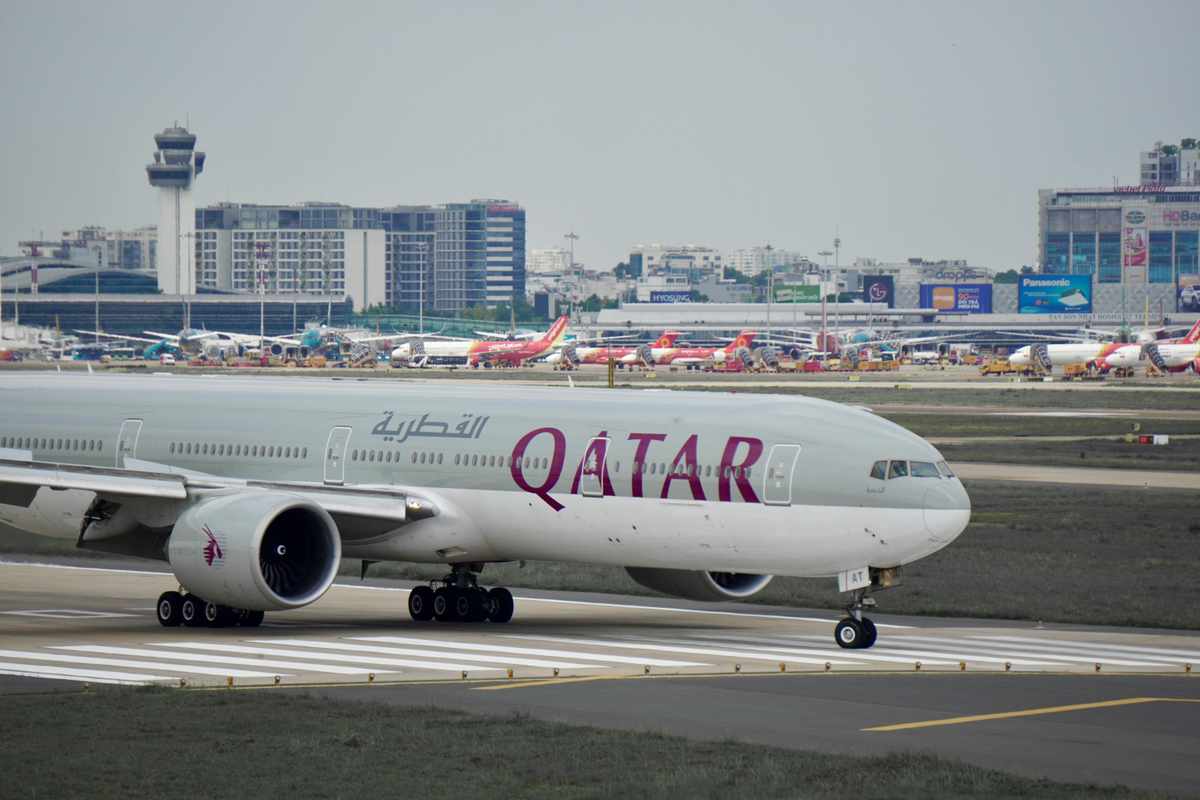
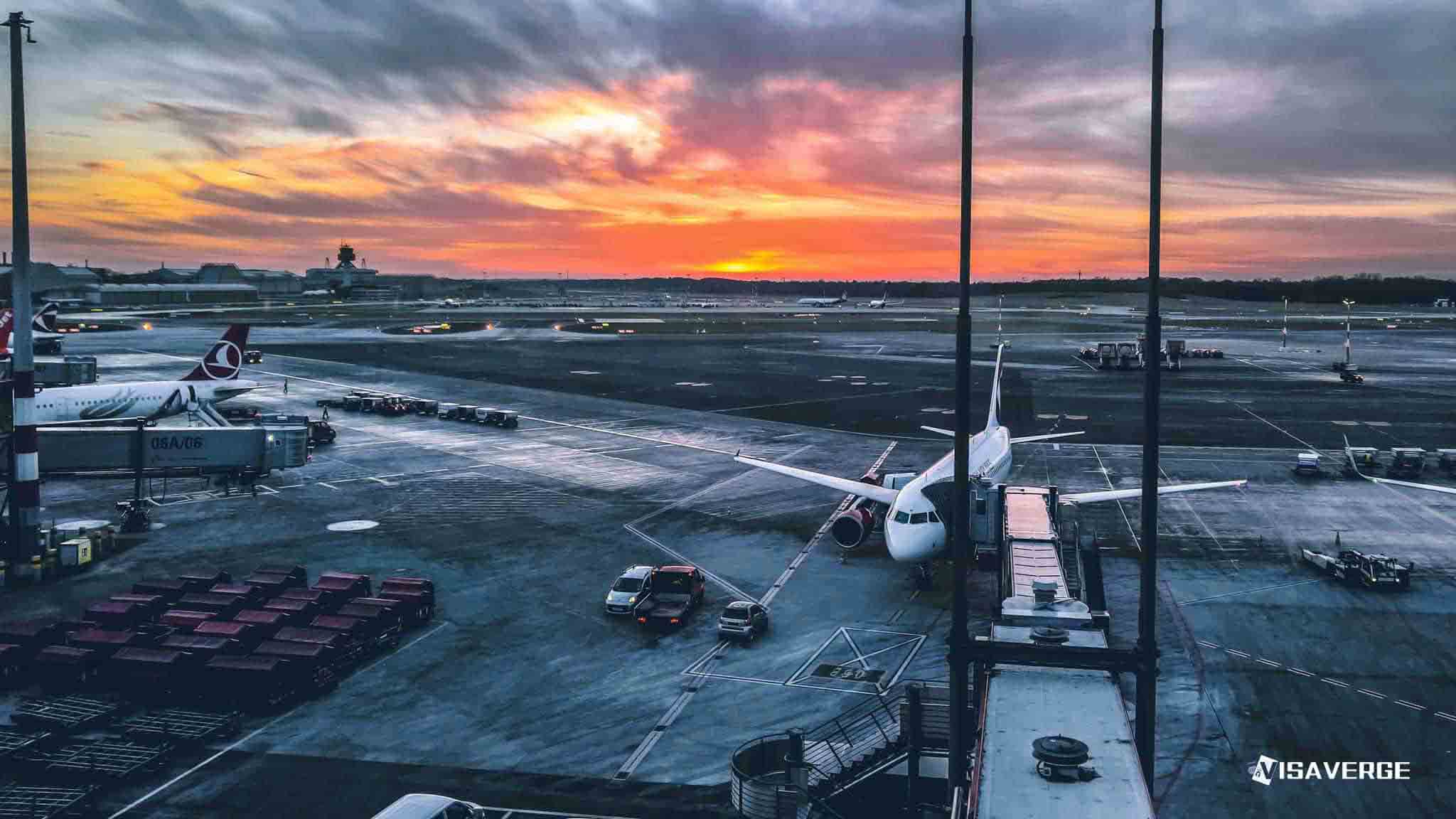
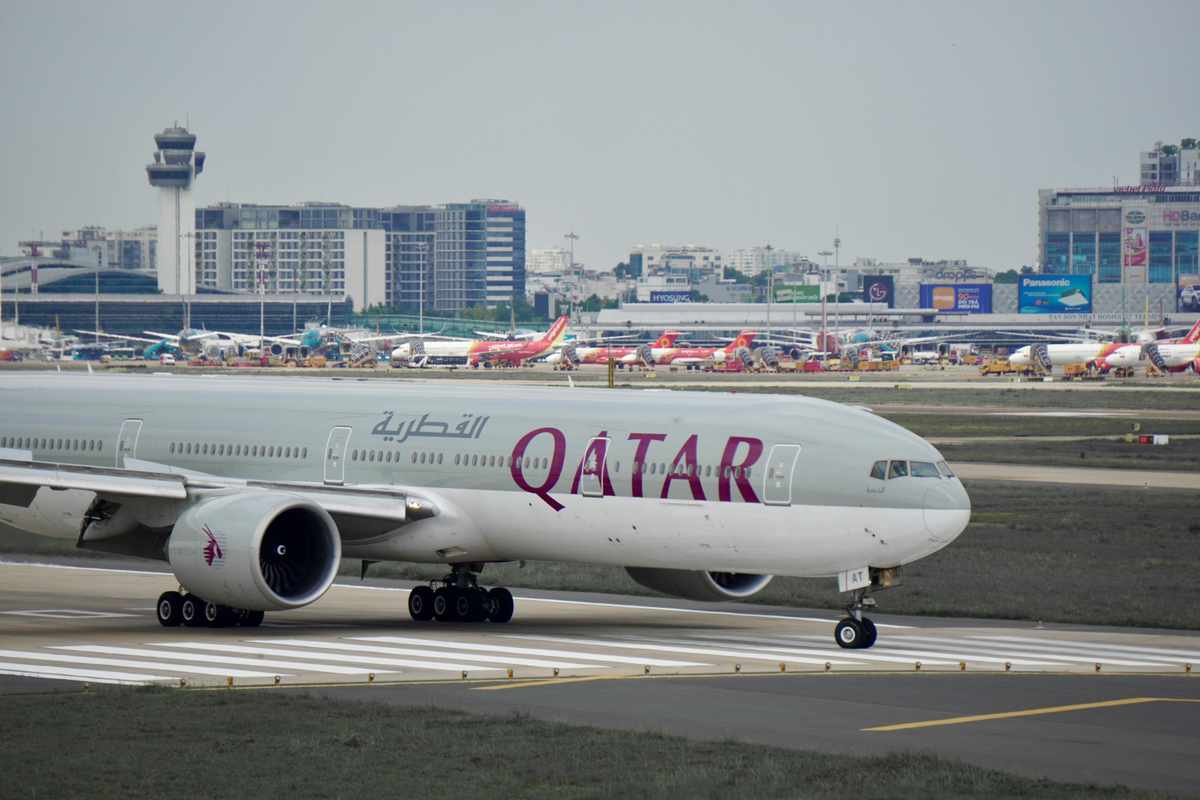
(DUBAI, UAE) — Iran launched retaliatory missile and drone strikes that shut down major Gulf airports including Dubai International, Abu Dhabi’s Zayed International, Kuwait International, and Doha’s Hamad International, canceling thousands of flights and stranding tens of thousands of passengers as US-Israel strikes on Iran continued into March 2.
Airport closures across Gulf hubs created a stop-start shock for commercial travel, cross-border movement and cargo routes through some of the world’s busiest transit points, with airlines suspending Middle East flights and travelers stuck in terminals, hotels and improvised waiting areas.
Security alerts spread beyond airports into nearby neighborhoods, after debris from interceptions fell onto civilian areas and reports of munitions impacts put staff, passengers and residents on edge, including large expatriate and migrant worker populations who power the region’s service and aviation sectors.

The escalation began after US President Donald Trump ordered “Operation Epic Fury” on Saturday, targeting Iran’s nuclear sites, missile facilities, and leadership—including the assassination of Supreme Leader Ali Khamenei—following failed nuclear negotiations.
Iran launched immediate barrages that widened the conflict’s geographic exposure from Israel to US-connected sites and Gulf states, adding pressure on civil aviation and airspace management as multiple countries reported interceptions and impacts.
Iran fired 40 ballistic missiles at Israel, killing 9 Israelis near Jerusalem on March 1, as the crisis spread across several days from late February into early March with sustained attacks and counterstrikes.
Strikes also hit US bases in Bahrain, where the U.S. Fifth Fleet headquarters was hit by missiles, as well as Qatar’s Al Udeid Air Base, the UAE, Kuwait, Jordan, Saudi Arabia and Iraq, where Iran struck Erbil Airport, plus Oman’s Duqm port.
Cyprus also reported fallout, with minor drone damage at the Cyprus Akrotiri base and an evacuation at Paphos airport, while Hezbollah missile strikes on Israel began March 2.
Dubai International Airport reported terminal damage from an Iranian missile and suspended flights, as debris from intercepts fell on Palm Jumeirah and hotels including Fairmont Palm and Burj Al Arab, compounding disruption beyond the airfield perimeter.
Abu Dhabi’s Zayed International took hits by munitions, and the UAE foreign ministry reported 1 killed by falling debris, amid broader casualty reports that included 3 migrant workers killed total from Pakistan, Nepal, and Bangladesh.
Kuwait International reported terminal damage near US facilities, multiple injuries and temporary closures, while Doha faced intercepts near Al Udeid that disrupted neighborhoods and air travel.
The cascade of airport problems left passengers stranded as flight schedules broke down, with airport staffing and ground transport systems also strained when parts of city infrastructure around the hubs absorbed the shock of nearby impacts and falling debris.
Airspace restrictions deepened the turmoil, with Gulf hubs such as Dubai, Abu Dhabi and Doha closed simultaneously in what was described as unprecedented, halting regional trade and transport and forcing airlines to rework routings on short notice.
Jordan closed its airspace, and the Middle East became an “aviation black hole,” a combination that pushed carriers into longer detours and cancellations and tightened capacity for passenger travel and cargo movement.
Governments took uneven approaches to assistance, with tens of thousands stranded and the US declining evacuation assistance unlike other nations, adding to uncertainty for travelers facing shifting airport access, flight suspensions and security alerts.
Gulf defense authorities reported large-scale interception activity as the missile and drone campaign continued, a sign of sustained risk to civilian areas and critical infrastructure that also fed into repeated airport suspensions and wider urban safety concerns.
The UAE Ministry of Defense reported intercepting 165 Iranian ballistic missiles, 2 cruise missiles, and 541 drones, with 21 drones hitting civilian targets.
Bahrain confirmed 45 missiles and 9 drones, while Kuwait, Jordan, and Oman also intercepted attacks, reflecting a region-wide security response that extended beyond any single theater.
Iran’s army used 15 cruise missiles on Kuwait’s US base and Indian Ocean vessels on March 1, a claim that added maritime anxiety to the aviation crisis and raised questions for commercial routing near military-linked sites.
Iranian Foreign Minister Abbas Araghchi framed Tehran’s response in a statement that mixed vows of retaliation with a denial of broader hostility, saying, “Iran will seek retribution against those who harm our children,” while denying conflict with American people.
US Central Command listed strikes on civilian sites like Dubai Port, hotels, and residential areas in Israel, Bahrain, Qatar, an account that underscored how the escalation intersected with dense civilian zones and high-traffic commercial districts.
The conflict entered day 3 on March 2 with continued Iranian attacks, the UN reported, describing explosions from Tehran to the Gulf as markets remained unsettled and some businesses closed.
Shipping risk compounded the economic threat, with the Strait of Hormuz effectively closed and shipping avoiding the waterway, raising the prospect of oil price spikes given that 1/5 of global oil trade moves through the corridor.
Casualty reports spanned multiple countries, including 9 Israelis and 4 UAE, with injuries in Kuwait and Bahrain, while the US confirmed 4 deaths, though the context for those deaths was unclear.