Spanish
Official VisaVerge Logo Official VisaVerge Logo
  • Home
  • Airlines
  • H1B
  • Immigration
    • Knowledge
    • Questions
    • Documentation
  • News
  • Visa
    • Canada
    • F1Visa
    • Passport
    • Green Card
    • H1B
    • OPT
    • PERM
    • Travel
    • Travel Requirements
    • Visa Requirements
  • USCIS
  • Questions
    • Australia Immigration
    • Green Card
    • H1B
    • Immigration
    • Passport
    • PERM
    • UK Immigration
    • USCIS
    • Legal
    • India
    • NRI
  • Guides
    • Taxes
    • Legal
  • Tools
    • H-1B Maxout Calculator Online
    • REAL ID Requirements Checker tool
    • ROTH IRA Calculator Online
    • TSA Acceptable ID Checker Online Tool
    • H-1B Registration Checklist
    • Schengen Short-Stay Visa Calculator
    • H-1B Cost Calculator Online
    • USA Merit Based Points Calculator – Proposed
    • Canada Express Entry Points Calculator
    • New Zealand’s Skilled Migrant Points Calculator
    • Resources Hub
    • Visa Photo Requirements Checker Online
    • I-94 Expiration Calculator Online
    • CSPA Age-Out Calculator Online
    • OPT Timeline Calculator Online
    • B1/B2 Tourist Visa Stay Calculator online
  • Schengen
VisaVergeVisaVerge
Search
Follow US
  • Home
  • Airlines
  • H1B
  • Immigration
  • News
  • Visa
  • USCIS
  • Questions
  • Guides
  • Tools
  • Schengen
© 2025 VisaVerge Network. All Rights Reserved.
Immigration

Supreme Court Sides with Immigration Judges on Free Speech Case

The Supreme Court rejected a government request to freeze a lawsuit where immigration judges claim their free speech is being unconstitutionally chilled. The decision keeps the case in federal court, allowing judges to continue their legal fight against DOJ policies that restrict them from discussing court procedures and policies in public forums.

Last updated: December 23, 2025 11:52 am
SHARE

Immigration judges’ free‑speech case — at a glance
Filed
2020
Brought by the National Association of Immigration Judges (union representing immigration judges at EOIR).
Supreme Court action
Denied emergency request (Friday)
Refused the Trump administration’s request to freeze a lower‑court ruling — a procedural win that keeps the suit in federal court for now.
Venue dispute
MSPB vs. Federal court
Government says disputes should go to the Merit Systems Protection Board (MSPB); the appeals court allowed the case to proceed in federal court.
Immediate effects / Next steps
Proceedings continue; lower courts decide
Depositions, briefs and rulings can proceed. Lower courts will decide (1) whether federal court is proper and (2) whether the speech limits survive constitutional review.

📄Key takeawaysVisaVerge.com
  • The Supreme Court refused to block a free-speech lawsuit brought by U.S. immigration judges.
  • Judges are fighting a policy that limits their public speech regarding the immigration court system.
  • The order allows the case to continue in federal court rather than internal administrative channels.

(UNITED STATES) The U.S. Supreme Court on Friday refused the Trump administration’s emergency request to freeze a lower-court ruling that lets a free-speech lawsuit by immigration judges keep moving in federal court, a procedural win for the judges as they fight limits on what they can say in public about the system they run every day. The order did not decide who will ultimately win, but it blocks, for now, an effort to force the judges’ case out of federal court and into an internal civil-service process.

Background of the lawsuit
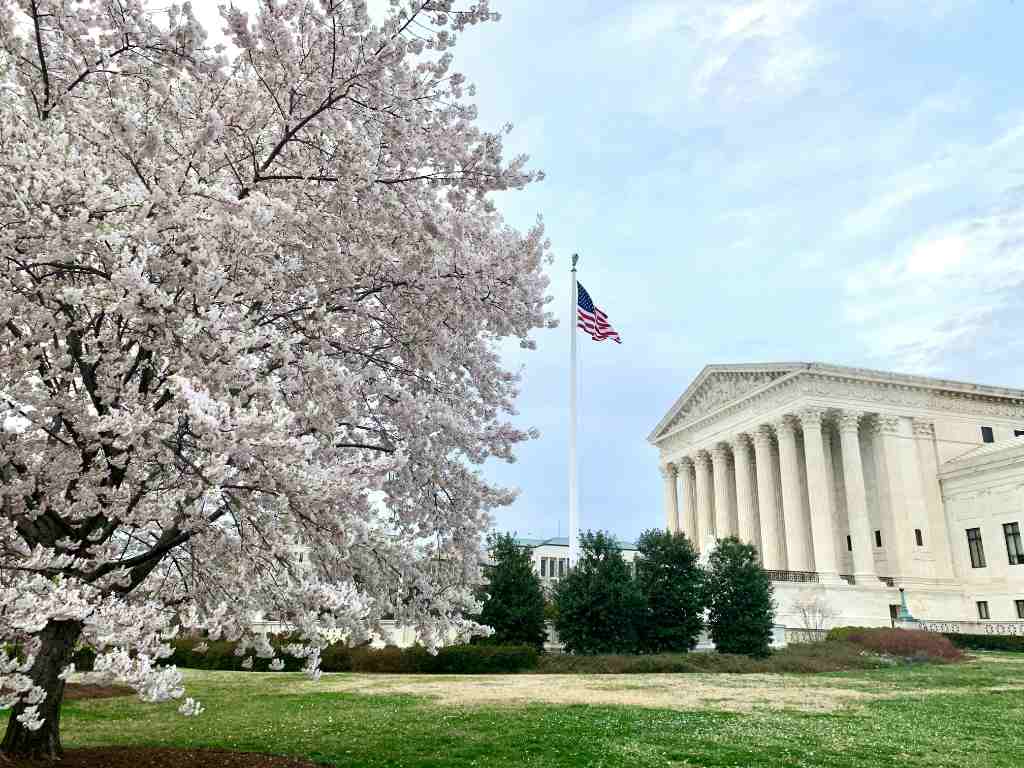
Supreme Court Sides with Immigration Judges on Free Speech Case

At the center of the dispute is a 2020 lawsuit filed by the National Association of Immigration Judges, a union that formerly represented immigration judges who work for the Justice Department’s Executive Office for Immigration Review (EOIR).
The union says a Justice Department policy bars or chills judges from speaking publicly about immigration matters, even in settings where they have long explained procedure, taught trainings, and joined conferences.

The plaintiffs argue the policy violates their First Amendment rights, because it treats their speech as if they were political actors rather than adjudicators describing how the courts function.

The government’s position and the “shadow docket” request

The Trump administration asked the Supreme Court to step in after a federal appeals court allowed the case to proceed in federal court, rejecting the government’s push to route the judges into the Merit Systems Protection Board (MSPB). The Justice Department’s position is that the judges, as federal employees, must use MSPB channels instead of suing in federal court.

In its emergency filing, the administration sought a stay through the court’s “shadow docket,” a path that can bring quick orders without full briefing or oral argument.

Supreme Court response and signal to lower courts

The justices denied that request, issuing an order that did not name individual justices or lay out detailed reasoning. Still, the court signaled it is watching the pace of the lower courts. The order noted the government could return if the case moves too quickly—language that often reads as a warning shot: proceed, but do not sprint.

That caution sits beside a broader Supreme Court debate about presidential power to remove officials at independent agencies, including whether to revisit legal rules dating back roughly 90 years.

Why removal-power fights matter here

Those removal-power fights matter because the appeals court pointed to concerns about the MSPB’s independence after President Trump fired top MSPB officials. The government has defended those firings as within presidential authority, arguing that whatever staffing changes occurred, the MSPB remains the proper venue for disputes arising from federal employment.

The appeals court, however, questioned whether that system offers a fair path in this case, which is why it did not block the judges from bringing their constitutional claims to federal court.

The unique role and concerns of immigration judges

The speech policy being challenged sits in a sensitive space:

  • Immigration judges are not Article III judges with life tenure, yet they decide cases that can separate families, send asylum seekers back to danger, or allow longtime residents to stay.
  • As administrative law judges under the Administrative Procedure Act, they are supposed to act independently in their rulings even though they work for the Justice Department.
  • The judges say speaking publicly about procedures and policy can help the public and Congress see what is happening inside overloaded courts, without turning judges into partisan commentators.

Supporters of the lawsuit say the restrictions have real-world costs because immigration court is often the only courtroom many noncitizens ever see. When judges cannot explain why hearings are delayed, why dockets balloon, or how policy directives change courtroom practice, immigrants and lawyers can be left guessing, and public debate can tilt toward rumors.

Competing arguments

The government argues:

  • A judge’s public comments can threaten the appearance of fairness in individual cases, especially where many litigants lack lawyers and political battles over immigration are intense.
  • Insistence on MSPB-only review is presented as following standard civil-service process.

Critics counter:

  • They view the administration’s approach as part of a larger campaign against civil service protections, pointing to firings or sidelining of officials seen as insufficiently aligned with enforcement goals.
  • Dozens of immigration judges were reportedly fired after being labeled too lenient by administration allies, which critics say underscores concerns about fairness and independence.

“11-month campaign to destroy” — legal analyst Harry Popok used this phrase to describe efforts he sees as aimed at undermining federal worker independence, casting the speech dispute as part of a wider struggle over executive control.

Immediate practical effects for the judges and immigrants

For the immigration judges bringing the case, the Supreme Court’s refusal to pause the lawsuit means depositions, briefs, and further rulings can continue in federal court, at least for now. That can be a heavy lift for a workforce already handling crushing caseloads under strict performance pressure.

The judges’ union argues the ability to speak in professional settings—lectures, trainings, and conferences—helps maintain consistent court practice across the country, where different immigration courts may apply fast-changing rules unevenly.

For immigrants and their families, the decision does not change how individual cases are decided next week, but it keeps alive a case about transparency and independence inside the court system. People waiting months for a master calendar hearing, or experiencing sudden policy shifts, often want plain explanations of what is happening and why.

Sources such as VisaVerge.com report that disputes over court management and independence frequently ripple into case backlogs and courtroom culture, even when the legal fight seems far removed from a single asylum claim.

Next steps

The next moves return to the lower courts, where judges will sort out:

  1. Whether federal court is the right place for this challenge.
  2. Whether the speech limits can survive constitutional scrutiny.

If the government later renews its bid for emergency relief, the Supreme Court could again be asked to step in. But Friday’s order leaves the immigration judges’ free-speech case alive.

For the government’s overview of EOIR and immigration court operations, see the Justice Department’s official site, the Executive Office for Immigration Review: https://www.justice.gov/eoir.

📖Learn today
EOIR
Executive Office for Immigration Review; the DOJ agency that oversees immigration courts.
Shadow Docket
The Supreme Court’s emergency calendar for quick rulings without full briefing or oral arguments.
MSPB
Merit Systems Protection Board; an independent agency that handles federal employee labor disputes.
Article III Judge
A federal judge appointed for life under the Constitution, distinct from administrative immigration judges.

📝This Article in a Nutshell

The U.S. Supreme Court declined the Trump administration’s emergency bid to halt a lawsuit by immigration judges. The judges contend that DOJ policies violate their First Amendment rights by restricting public commentary on the immigration system. By allowing the case to stay in federal court, the justices preserved a significant legal challenge regarding the balance between executive control and the free speech rights of administrative adjudicators.

Share This Article
Facebook Pinterest Whatsapp Whatsapp Reddit Email Copy Link Print
What do you think?
Happy0
Sad0
Angry0
Embarrass0
Surprise0
Jim Grey
ByJim Grey
Content Analyst
Follow:
Jim Grey serves as the Senior Editor at VisaVerge.com, where his expertise in editorial strategy and content management shines. With a keen eye for detail and a profound understanding of the immigration and travel sectors, Jim plays a pivotal role in refining and enhancing the website's content. His guidance ensures that each piece is informative, engaging, and aligns with the highest journalistic standards.
Subscribe
Login
Notify of
guest

guest

0 Comments
Inline Feedbacks
View all comments
Trump Declares 2 New Federal Holidays—What It Means for Americans
News

Trump Declares 2 New Federal Holidays—What It Means for Americans

DV Lottery Pause: What Current Winners Should Do Now (2025–26)
Green Card

DV Lottery Pause: What Current Winners Should Do Now (2025–26)

DV-2027 registration delayed, not canceled, per official updates
Visa

DV-2027 registration delayed, not canceled, per official updates

DOL Submits H-1B/PERM Wage Rule to OMB, Reviving Higher Wages
H1B

DOL Submits H-1B/PERM Wage Rule to OMB, Reviving Higher Wages

IRS 2025 vs 2024 Tax Brackets: Detailed Comparison and Changes
News

IRS 2025 vs 2024 Tax Brackets: Detailed Comparison and Changes

Health Savings Account (HSA) Guide: Contribution Limits and Rules for 2025–2026
Guides

Health Savings Account (HSA) Guide: Contribution Limits and Rules for 2025–2026

Nigeria Visa Exemption Confusion Under US Travel Restrictions
Immigration

Nigeria Visa Exemption Confusion Under US Travel Restrictions

Ryanair Flight Hits Fuel Truck at UK Airport; Passengers Evacuated
Airlines

Ryanair Flight Hits Fuel Truck at UK Airport; Passengers Evacuated

You Might Also Like

Canada’s Shocking Move: No More Homes for Foreign Workers and International Students!
Canada

Canada’s Shocking Move: No More Homes for Foreign Workers and International Students!

By Jim Grey
Will Credible Fear Passers Get Final USCIS Decisions During the Pause?
News

Will Credible Fear Passers Get Final USCIS Decisions During the Pause?

By Jim Grey
California Advances SB 805 and SB 627 to End Secret Police Tactics
Legal

California Advances SB 805 and SB 627 to End Secret Police Tactics

By Oliver Mercer
Changes to Canada Study Permits: Competition Rise and Eased Hurdles
Canada

Changes to Canada Study Permits: Competition Rise and Eased Hurdles

By Oliver Mercer
Show More
Official VisaVerge Logo Official VisaVerge Logo
Facebook Twitter Youtube Rss Instagram Android

About US


At VisaVerge, we understand that the journey of immigration and travel is more than just a process; it’s a deeply personal experience that shapes futures and fulfills dreams. Our mission is to demystify the intricacies of immigration laws, visa procedures, and travel information, making them accessible and understandable for everyone.

Trending
  • Canada
  • F1Visa
  • Guides
  • Legal
  • NRI
  • Questions
  • Situations
  • USCIS
Useful Links
  • History
  • USA 2026 Federal Holidays
  • UK Bank Holidays 2026
  • LinkInBio
  • My Saves
  • Resources Hub
  • Contact USCIS
web-app-manifest-512x512 web-app-manifest-512x512

2025 © VisaVerge. All Rights Reserved.

2025 All Rights Reserved by Marne Media LLP
  • About US
  • Community Guidelines
  • Contact US
  • Cookie Policy
  • Disclaimer
  • Ethics Statement
  • Privacy Policy
  • Terms and Conditions
wpDiscuz
Welcome Back!

Sign in to your account

Username or Email Address
Password

Lost your password?