A SpaceX Starship breakup downrange from Boca Chica, Texas triggered an FAA safety review after passenger aircraft were warned they might enter a debris danger zone on January 16, 2025. If you fly internationally through the Caribbean corridor—or you work in aviation or aerospace on a visa—this timeline shows when risk controls changed and what that means for your travel planning and compliance.
The incident matters because three flights carrying about 450 passengers reported fuel emergencies while temporary restrictions were active. That kind of disruption can cause missed connections, late arrivals for immigration appointments, and complicated rebooking across borders.
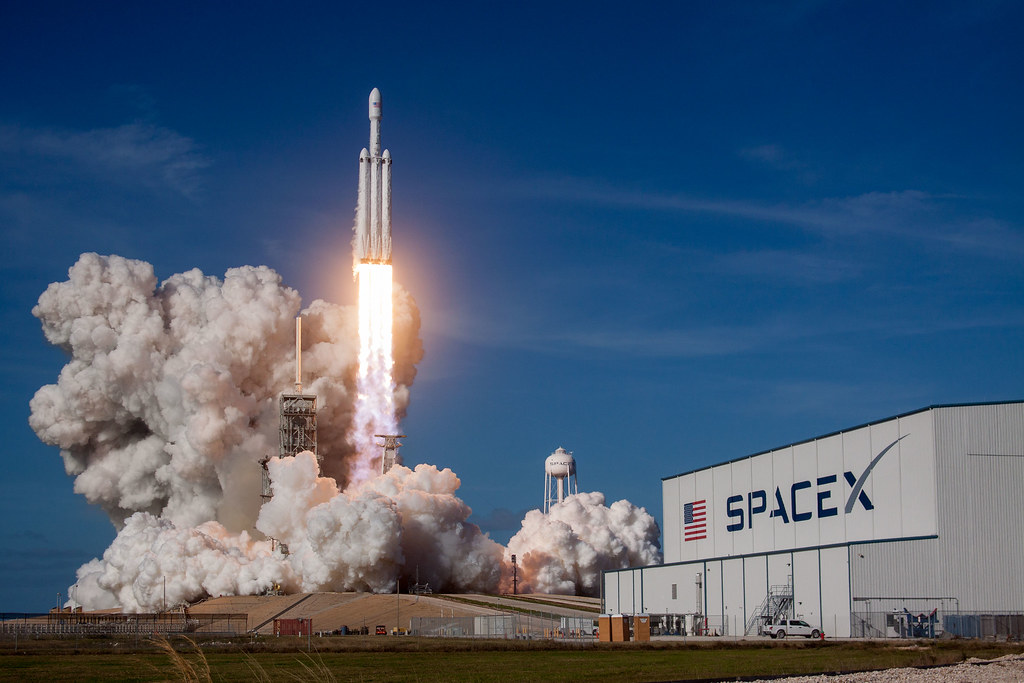
Timeline: SpaceX Starship debris event and FAA review of air-traffic procedures
| Date | Event |
|---|---|
| January 16, 2025 | SpaceX’s Starship breaks up during its seventh orbital test flight after second-stage separation. Burning fragments fall over the Caribbean region as debris travels downrange from the Boca Chica launch site. |
| January 16, 2025 | Air traffic control warns a JetBlue passenger flight bound for San Juan, Puerto Rico, that it might enter a danger zone caused by falling debris. The pilot must decide between a detour that strains fuel range or continuing on route. |
| January 16, 2025 | Two other aircraft—an Iberia passenger flight and a private business jet—face similar warnings and routing pressure during the debris event. |
| January 16, 2025 | The three flights, carrying about 450 passengers total, each declare fuel emergencies before transiting temporary flight-restricted areas. No accidents or injuries are reported. |
| January 16, 2025 | The FAA activates a Debris Response Area during the mishap. At times, the agency slows or holds aircraft outside the area while debris is falling. |
| February 2025 | The FAA convenes experts to review response measures for debris risks from spacecraft failures. The review increases scrutiny on air-traffic procedures used to separate passenger aircraft from hazard areas during launch mishaps. |
| March–June 2025 | The FAA publicly describes the actions taken during the event and requires a mishap investigation. The agency oversees and accepts SpaceX’s investigation findings and requires updates to Flight Safety Analyses that address debris propagation and population exposure risk as part of return-to-flight conditions. |
| June 12, 2025 | The FAA issues a statement tied to closing the Flight 8 mishap investigation, reflecting that corrective actions were identified by SpaceX and verified by the FAA. |
| June 24, 2025 | A second FAA statement confirms the Flight 8 investigation is closed and SpaceX is approved to return to flight after the FAA verifies corrective actions. The FAA signals continued oversight of how debris-risk mitigation and temporary flight restrictions are planned and carried out. |
| December 21, 2025 | Coverage of FAA documents describing the pilot warnings and fuel-emergency declarations renews attention on how debris response decisions affect passenger flights in oceanic and downrange routes. |
What changed in practice after the incident (and why you feel it as a traveler)
- More attention to debris “propagation” and exposure risk.
The FAA required updated Flight Safety Analyses that account for mishap outcomes, debris behavior, and population exposure risk. Those updates guide where hazard areas are drawn and how aircraft are routed when something goes wrong. -
Higher stakes for real-time routing.
The incident highlighted a hard tradeoff: rerouting away from a hazard area can create a fuel-range problem, but continuing toward a restricted area can expose the aircraft to debris. That tension is what the FAA’s February review examined. -
More structured response tools.
The FAA’s use of a Debris Response Area shows the playbook during a breakup: define the falling-debris region, slow or hold aircraft at the edges, and coordinate restrictions while the situation develops.
Why this is immigration-relevant (even if you’re not an aviation professional)
Safety-driven flight disruptions can affect immigrants and international travelers in specific ways:
- Missed entry windows and reinspection needs.
If you land late and miss a connection, you can arrive after a carrier’s last rebooking window, or after an airport’s last international arrival bank. That can lead to overnight delays and extra questions at inspection. -
Appointments you can’t easily move.
A late arrival can mean missing a biometrics appointment, a medical exam, or a time-sensitive consular interview slot abroad. Airlines rebook flights; government offices often require you to reschedule. -
Status and work expectations don’t pause.
If you’re in the U.S. in a time-limited status and travel for work, a disruption can affect reporting dates, onboarding, or required in-person start times, creating pressure while you’re stuck with safety-driven routing limits.
⚠️ Important: Keep proof of the disruption. Save boarding passes, delay notices, and rebooking receipts. You will use them to explain a missed appointment or a late arrival.
If you’re flying through the region: what you should do before travel
You can’t control launch mishaps or hazard areas, but you can prepare when your route passes downrange from Boca Chica:
- Build in time buffers for same-day immigration events.
If you must attend an interview or appointment, avoid arriving on the last possible flight. Give yourself a cushion for reroutes and holds. -
Carry entry and status documents in your personal item.
Checked bags get separated during irregular operations. Keep the documents you need to enter the 🇺🇸 U.S. and prove your status on you. -
Plan for rebooking across borders.
If you’re connecting to an international segment, know the last flight of the day and what happens if you miss it. Ask the airline what city they will reroute you through if your original corridor becomes constrained. -
Know where to check U.S. entry basics quickly.
For plain-language reminders on inspection and travel, use CBP travel guidance.
If you work in aviation or aerospace on a visa: what this signals
Launch activity around SpaceX and Starship can create safety-driven airspace actions that ripple into staffing, duty time, and cross-border movement.
- Pilots and flight crew:
Temporary restrictions and holds can trigger duty-time limits and forced diversions. If you’re working under employer-specific authorization, keep your employer informed early when a reroute threatens assignment completion. -
Aerospace workers and contractors:
FAA return-to-flight conditions included updates to Flight Safety Analyses and verified corrective actions. That can mean schedule shifts and new compliance tasks. If your role depends on site access or test windows near Boca Chica, expect operational changes when safety controls are revised. -
Business travelers on tight itineraries:
The business jet faced the same hazard-area pressure as scheduled airlines. If you cross borders for meetings, build contingency time and avoid itineraries that fail if one segment slips.
What to watch for on your next trip connected to Boca Chica launch activity
You don’t need to predict a mishap to travel smart. Watch for signs that airspace management is tightening:
- Airline advisories about reroutes or fuel stops on routes that normally fly straight over oceanic corridors.
- Longer block times (scheduled gate-to-gate time) on flights that pass downrange of active launch areas.
- More conservative dispatch choices, like planned fuel stops or earlier cutoff times for accepting passengers on tight connections.
If you have a hard deadline—an interview, a court date, a medical exam—book travel that gives you at least one fallback option the same day. When airspace procedures change quickly, flexibility can keep a travel problem from turning into an immigration problem.
For more immigration guides that help you prepare for travel surprises, you can visit VisaVerge.com.
A SpaceX Starship failure in early 2025 led to emergency reroutes for commercial flights, prompting a federal investigation into air-traffic safety. The FAA mandated improvements to debris risk modeling and flight procedures to protect passengers in oceanic corridors. After SpaceX completed verified corrective actions, the investigation closed in June 2025. This event highlights how space operations can disrupt international travel and immigration timelines.