(PARIS, FRANCE) — Airport operators and airlines canceled hundreds of flights and warned of further disruption on Tuesday as Snowstorm 2026 swept across France and the Netherlands, snarling travel at Paris Charles de Gaulle (CDG) and Amsterdam Schiphol (AMS) and leaving roads and rail networks struggling in freezing conditions.
Overview of disruption (January 5–6, 2026)
More than 450 flights were canceled across the two hub airports during the January 5–6 storm, alongside widespread delays. Crews worked to clear runways and aircraft while rail services and highways across both countries ground into chaos.
Key takeaway: Snow and ice affected multiple transport systems simultaneously — airports, regional airports, rail corridors and roads — producing cascading delays and cancellations across Europe.
Airport impacts
Amsterdam Schiphol (AMS)
- Approximately 400 flights grounded on January 6 due to runway clearing and de-icing.
- Earlier reports counted about 700 cancellations on January 5, more than half of scheduled flights.
- Rail issues around Amsterdam further constrained access to the airport, increasing pressure on taxis and private vehicles.
Paris Charles de Gaulle (CDG) and Paris area
- CDG reported 78 cancellations in the last 24 hours as of January 6, with average departure delays of 37 minutes.
- Airlines cut Paris flights by 15% at CDG and Orly.
- About 250 snowplows were on standby; more cancellations were expected.
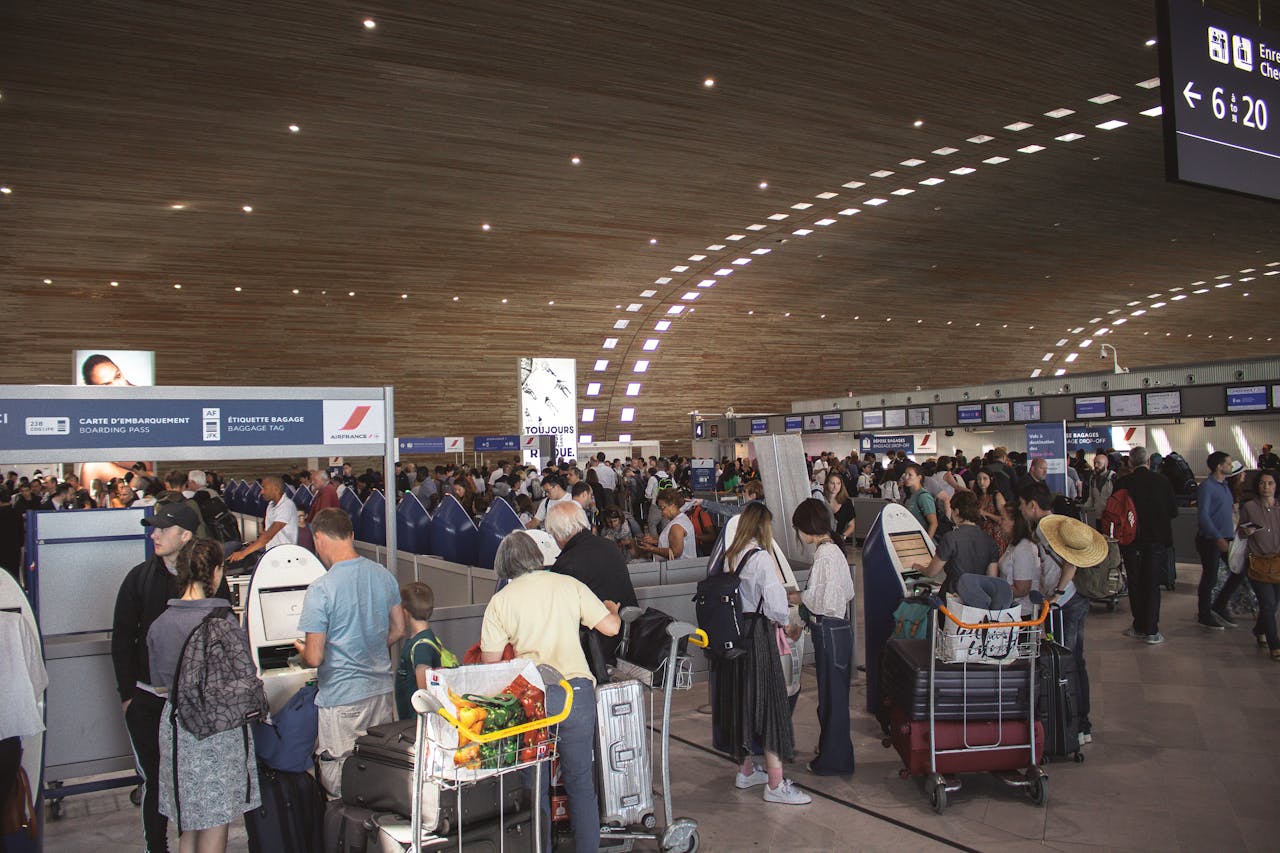
- Six northern and western French airports were closed, increasing pressure on travelers and crowded terminals.
Rail and international connections
- Dutch national rail operator NS reported turmoil from frozen points and a software glitch, with limited services around Amsterdam remaining closed.
- NS urged passengers: “only travel if absolutely necessary.”
- Eurostar suspended services beyond Brussels to the Netherlands.
- Between Britain and France, 6 London–Paris Gare du Nord services were canceled and most other services were delayed.
Road networks, local disruption and fatalities
- Snowfall triggered huge traffic jams in Paris and the Île-de-France region; authorities ordered trucks off the roads as conditions worsened.
- At least 2 deaths were reported in Paris and its surrounding region.
- In southwestern France (Landes region), 3 deaths were recorded in accidents.
- Officials reported a broader toll of at least 5 deaths in France as snow and ice spread.
- Normandy and other northwest areas were placed under the second-highest orange weather warning for snow and ice, with sub-zero temperatures persisting.
- Bus networks in Paris were severely disrupted during rush hour, compounding commuter difficulties.
United Kingdom and wider Europe
- Scotland recorded up to 52 cm of snow, contributing to airport closures including Liverpool John Lennon.
- Rail disruption and cancellations of sports events added strain for passengers trying to reroute via other European hubs.
- Forecasts pointed to more snow through the week in parts of Europe, and school closures occurred in Paris.
Impact on passengers and airline networks
- The scale of cancellations at AMS and CDG created ripple effects across airline networks: grounded aircraft and delayed crews disrupted schedules and reduced options for last-minute rebooking.
- Long lines formed at customer service desks as travelers sought hotel rooms and rebooking during a period of high demand.
Passenger rights under EU rules (EC 261)
Although the storm qualifies as an extraordinary weather circumstance — which generally excludes passengers from compensation for cancellations and delays — airlines still have specific obligations.
Passengers are entitled to:
1. Rerouting or refunds for canceled flights.
2. Food and refreshments after delays of more than a few hours.
3. Overnight accommodation and transport if delayed overnight.
4. Two phone calls or emails offered to passengers delayed more than 1 hour.
These entitlements became practical concerns as travelers attempted to secure accommodations and contact options while services remained unstable.
Operational response and recovery prospects
- Airport operators continued runway clearing and de-icing operations.
- Recovery pace depended on ongoing weather and on the ability of airlines to reposition aircraft and crews after multiple days of heavy disruption.
- With more snow forecast, airlines and airports urged travelers to monitor updates and accept rebooking instructions as they became available.
Before you travel, install your airline’s app, turn on push alerts, and set up a flight-status watch for CDG and AMS. Be ready to accept rebooking options quickly to minimize time in queues or hotels.
Practical information and advice (status as of January 6, 2026)
- Travelers were advised to:
- Check airline apps and airline websites for the latest updates before setting out.
- Avoid travel to affected areas where possible while services remained unstable.
- The situation remained fluid, with services subject to further cancellations and delays depending on weather and operational recovery.
Snowstorm 2026 has severely disrupted European travel hubs, resulting in over 450 flight cancellations at Paris CDG and Amsterdam Schiphol. The storm also caused five deaths in France and halted major rail lines like Eurostar. While EU regulations protect passenger rights for food and lodging, travel remains hazardous. Authorities advise checking airline status digitally and avoiding unnecessary travel while recovery efforts and sub-zero temperatures continue.