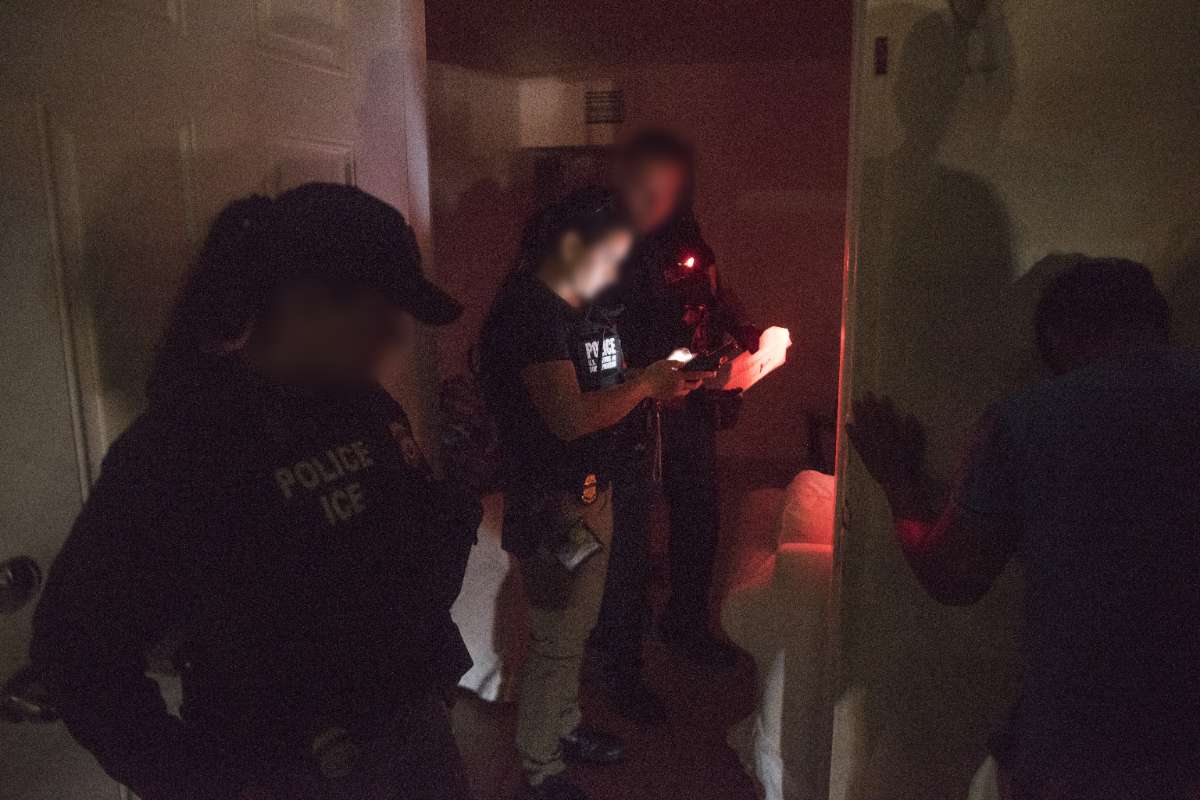
(PENNSYLVANIA) — Pennsylvania Governor Josh Shapiro’s administration said it will “aggressively pursue every option” to prevent ICE facilities from opening in Pennsylvania, escalating a fight over proposed detention and processing sites in Berks and Schuylkill counties.
Josh Shapiro delivered the message at a February 26, 2026, press conference in Leesport after what his office described as a bipartisan meeting with local officials, framing the state’s stance as a direct challenge to federal plans for new ICE facilities.
A spokesperson for the Shapiro administration repeated the pledge to “aggressively pursue every option to prevent these facilities from opening,” as the governor’s office signaled it will press state permitting and oversight authority to try to block or slow the projects.
The dispute centers on two properties that federal officials and Pennsylvania Republicans have described as separate pieces of a regional enforcement and detention footprint, with one site intended to hold people and the other intended to handle processing.
In Schuylkill County, the Department of Homeland Security bought the former Big Lots distribution center in Tremont Township, which U.S. Rep. Dan Meuser, a Republican, confirmed as a detention center. In Berks County, DHS recorded a purchase of a warehouse in Upper Bern Township, which Meuser confirmed as a processing center.
Local officials and residents have warned that facilities of this scale could reshape demands on roads, emergency response, and public services in rural and exurban communities, even before any final operating details become public through permitting or review.
Shapiro’s administration has also cast the proposed ICE facilities as a test of how far Pennsylvania can go to use state law to influence federally driven immigration enforcement infrastructure, with the governor’s team emphasizing environmental, health, and labor rules rather than immigration policy itself.
DHS moved from quiet real estate transactions to a political and regulatory confrontation with the state after the purchases surfaced publicly, prompting pushback that now includes formal warnings about permits.
Earlier this month, Shapiro sent a letter to DHS Secretary Kristi Noem warning that Pennsylvania would not issue required permits for the facilities, citing violations of public drinking water, sewage, and water pollution laws, along with what he described as threats to public safety, infrastructure, and local resources.
In that letter, Shapiro argued the facilities would jeopardize access to safe water, deplete emergency resources, and overextend response personnel in Berks and Schuylkill counties, turning what began as a property story into a broader battle over state regulatory authority.
At Thursday’s press conference, Shapiro said his administration is exploring “a number of regulatory steps” through the Pennsylvania departments of Environmental Protection, Health, and Labor & Industry, presenting a coordinated posture that brought multiple agencies into the fight.
Pennsylvania Department of Health Secretary Dr. Debra Bogen and Department of Labor & Industry Secretary Nancy Walker joined Shapiro, underscoring that the state intends to use more than one regulatory pathway as it evaluates what approvals, inspections, and standards might apply.
Shapiro argued the facilities would violate Pennsylvanians’ rights, raise utility costs, harm the economy, strain health care, and make communities less safe, setting up a direct clash with federal messaging about economic benefits tied to new ICE facilities.
The governor also pointed to ICE claims of “11,000 jobs” and “$283.4 million in tax revenue,” using those figures to contrast what he called a rosy federal projection with the state’s concerns about rights, services, and community impacts.
DHS and ICE, for their part, have said the sites will undergo community impact studies and due diligence, and that facilities will meet detention standards under the “ICE Detention Reengineering Initiative” funded by the “$38 billion” package in President Trump’s One Big Beautiful Bill Act.
That federal framing places the Pennsylvania projects within a larger national effort, even as the state focuses on site-specific requirements involving water, sewage, pollution controls, workplace standards, and public health oversight.
The legal fault lines remain unsettled, with Pennsylvania officials emphasizing administrative tools while outside lawyers raised questions about federal environmental obligations that sometimes accompany large-scale federal projects.
Two anonymous environmental lawyers expressed uncertainty on NEPA compliance in this case, reflecting that the National Environmental Policy Act can become a flashpoint when projects require certain federal approvals or trigger reviews that open the door to public process and litigation.
Shapiro’s administration has not yet filed suit, even as the governor’s team and local opponents watch how other states have approached similar conflicts involving immigration detention construction and conversion projects.
Maryland’s attorney general sued over a similar project citing NEPA violations, a point that Pennsylvania officials have cited as they weigh options while keeping their immediate focus on permits and compliance reviews within state agencies.
Shapiro’s public posture has leaned heavily on the idea that Pennsylvania can deny or condition approvals if the facilities do not satisfy state requirements, while his administration also used the dispute to highlight what it says are risks to infrastructure and emergency services.
The governor’s office has portrayed the projects as likely to strain response personnel and local resources, an argument that aligns with concerns raised by some local governments as the issue spreads beyond Berks and Schuylkill.
In Bucks County, commissioners unanimously approved a resolution opposing warehouse conversions due to humanitarian concerns, health hazards, and infrastructure strain, reflecting how opposition has moved into formal county action even outside the two counties at the center of the proposed sites.
DHS told U.S. Rep. Brian Fitzpatrick, a Republican who represents part of Bucks County, that it has no plans for his district, a statement that aimed to tamp down fears of additional facilities while leaving the Berks and Schuylkill projects as the immediate focus.
Even with that reassurance, the Pennsylvania fight has drawn energy from public protests, as residents in Berks and Schuylkill have urged local leaders to resist the projects and pressed for county-level opposition at public meetings.
Those residents have argued the proposed ICE facilities could change daily life in their communities, while local officials have faced competing pressures between a federal initiative backed by DHS and a state government promising aggressive resistance.
Meuser’s confirmation that one site would serve as a detention center and the other as a processing center has sharpened the debate by attaching clear functions to each location, even as key operational details, timelines, and build-out plans remain subject to approvals and review.
Shapiro’s team has also sought to distinguish between what it says is already confirmed—property purchases and the administration’s permit posture—and what remains asserted by federal officials and supporters, including projections about employment and tax impacts.
The governor’s argument that the facilities would “strain health care” and “raise utility costs” connects the immigration debate to practical questions about capacity and services, issues that local governments often must manage regardless of who controls a facility.
State officials have also focused on the prospect of added pressure on water systems, sewage handling, and pollution safeguards, asserting that Pennsylvania law gives agencies leverage over projects that require permits to operate at the scale contemplated.
By highlighting the Pennsylvania Departments of Environmental Protection, Health, and Labor & Industry, Shapiro signaled the state will examine multiple layers of compliance, from environmental controls to workplace rules, as it builds a record to support whatever action it ultimately takes.
ICE’s statement that it will conduct community impact studies and due diligence sets up a competing process narrative, with federal officials describing a pathway of assessments and standards, and state officials describing a pathway of permits and enforcement.
The clash has also taken on a broader political cast in Pennsylvania, as the Shapiro administration’s posture challenges the Trump administration’s detention initiative while emphasizing state authority rather than directly debating federal immigration policy.
For residents and county leaders, the dispute has turned into a rolling series of meetings, letters, and public statements, with the governor’s office promising aggressive action and DHS framing the projects as part of a funded national initiative.
Shapiro’s press conference in Leesport placed him alongside top health and labor officials, a signal that his administration intends to treat the proposed ICE facilities as a multi-agency issue that touches public health, workplace regulation, and environmental rules.
The next phase now hinges on whether Pennsylvania agencies can use permitting decisions, compliance inspections, or other regulatory tools to slow or block the facilities, and whether DHS responds by pressing forward through federal channels or challenging state actions.
Shapiro has made clear he intends to keep the fight in Pennsylvania’s administrative and regulatory arena for now, while local protests continue to build pressure on county governments in Berks and Schuylkill as the proposed ICE facilities move from real estate transactions to a test of political will.
Shapiro Administration Vows to Fight Opening of ICE Facilities in Pennsylvania
Governor Josh Shapiro is leveraging state regulatory powers to prevent the opening of ICE detention and processing centers in Pennsylvania. By focusing on environmental, health, and labor compliance rather than direct immigration policy, the administration aims to block federal projects in Berks and Schuylkill counties. Federal officials defend the sites as necessary infrastructure with significant economic potential, setting the stage for a major jurisdictional clash.