(SAN FRANCISCO, CALIFORNIA) San Francisco International Airport has become the first airport in California to roll out Clear’s TSA-approved biometric eGates technology, giving some travelers a faster way through security at a time when air traffic is climbing and global events are set to draw even more visitors to the Bay Area.
How the eGates work at Harvey Milk Terminal 1
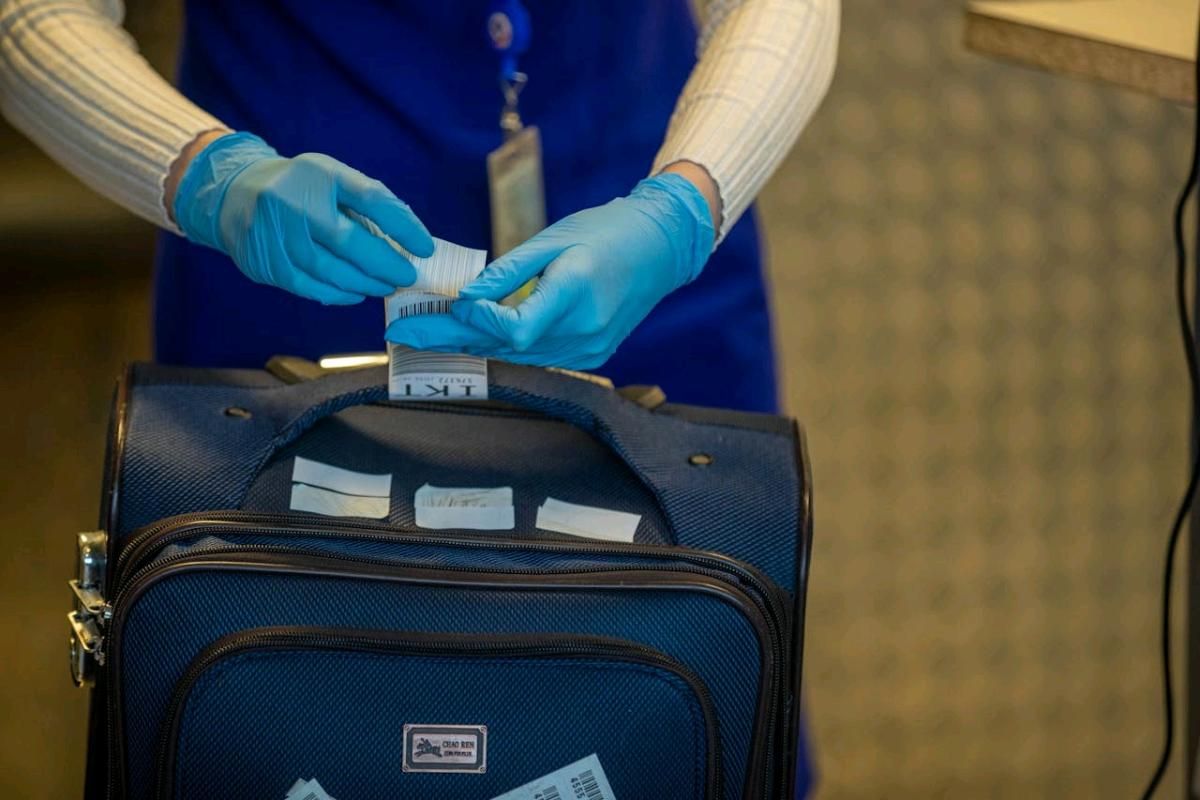
The new system is now live at SFO’s Harvey Milk Terminal 1, where Clear Plus members can step up to an automated gate, look into a camera, and, if their identity checks out, move directly to the physical baggage and body screening lines without stopping at the traditional Transportation Security Administration podium.
- The process begins when a Clear Plus customer approaches the eGate and has a fresh image taken.
- That live photo, along with the person’s boarding pass data and the ID image already linked to their Clear account, is sent electronically to TSA systems.
- If the match lines up with agency records, a TSA officer, who monitors the lane remotely, can press a control to open the gate and let the passenger proceed toward the X-ray machines and metal detectors.
Clear says the goal is to cut down on waiting time and reduce back-and-forth with officers by using facial recognition, which compares a traveler’s live photo with their stored enrollment image, government ID details, and boarding pass information.
Where this rollout fits nationally
According to analysis by VisaVerge.com, the rollout positions SFO alongside airports in Atlanta, Washington National, and Seattle-Tacoma, where earlier trials of the same equipment took place. It marks the first deployment in California of this particular TSA-backed biometric shortcut.
Who can use the eGates
Only people who pay for Clear Plus, which currently costs $209 per year, can use the gates. That price covers membership in Clear’s broader identity service, which already lets members use separate Clear lanes at many airports to verify identity before heading to regular TSA screening.
- The new eGates do not replace TSA checks; they simply move part of the ID check into an automated lane aimed at shaving off a few minutes when security lines grow long.
| Item | Detail |
|---|---|
| Service | Clear Plus |
| Cost | $209 per year |
| Availability at SFO | Harvey Milk Terminal 1 |
| Purpose | Automate part of ID verification to speed checkpoint flow |
Privacy, data handling, and oversight
Privacy rules are central to the rollout. Clear’s TSA-approved biometric eGates technology sends what the company describes as limited information to the government:
- The live photo captured at the gate
- The traveler’s boarding pass details
- The ID photo from the original Clear enrollment
- Basic identity facts
Clear cannot open the gates on its own or overrule TSA decisions, and TSA still has the final word on who may pass through a checkpoint. The company also stresses that the live photos taken at the gate are deleted soon after transmission to TSA. However, the earlier enrollment photo, captured when a person first signs up for Clear Plus, remains stored by Clear for future trips.
This split approach is meant to balance speed with privacy, though civil liberties groups continue to raise concerns. Their arguments focus on:
- Long-term storage of face images
- Possibility of data sharing across systems
- Accuracy and bias in facial recognition technology
Legislative context and debates
Those worries reached Congress, where lawmakers introduced the Traveler Privacy Protection Act in 2025 to place tighter rules on facial recognition use by airlines and the federal government. The bill drew bipartisan support but failed to become law, leaving TSA and airports free to continue working with private companies on biometric tools under existing privacy and security rules.
Critics say the bill’s failure left travelers with patchy safeguards that depend heavily on company policies and internal TSA guidelines.
“The failure of the Traveler Privacy Protection Act left travelers with patchy safeguards that depend heavily on company policies and internal TSA guidelines.”
Consent, opt-out, and traveler experience
TSA rules say people may opt out of facial recognition and choose manual document checks. However, some travelers report their choice to skip the new gates is not always clear in practice. Complaints include:
- Feeling pressured to use eGates when staff direct them toward the new lanes
- Lack of clear signage or verbal reminders about the opt-out option
Privacy advocates recommend clear signs, verbal reminders, and a simple path to decline so consent is meaningful rather than a formality for tired passengers shuffling toward flights.
Current scope, testing, and future implications
For now, the eGates at Harvey Milk Terminal 1 are focused on Clear’s existing customer base rather than the broader public. This limited reach makes the project a live test bed, observed closely by other airports and industry analysts who view biometric screening as a tool to handle growing passenger volumes without continuously adding staff or expanding terminal space.
TSA promotes biometrics as one element of a broader effort to keep checkpoints secure and efficient. The agency already runs its own facial recognition systems at some locations, separate from Clear, and publishes information about identity verification and security screening on the Transportation Security Administration website: https://www.tsa.gov/.
By approving Clear’s equipment for use, TSA signals a role for private partners, even as debates over data use, accuracy, and bias continue.
Timing and events driving adoption
The timing at SFO is strategic. Regional officials and business leaders expect a fresh wave of international visitors when Levi’s Stadium in Santa Clara hosts matches for the 2026 FIFA World Cup. Faster security screening—even if it applies to only a slice of passengers—could ease pressure on crowded terminals during peak travel days and major events.
Airport planners often look to tools like Clear’s TSA-approved biometric eGates technology to help keep lines moving without reducing security for flights to and from the United States 🇺🇸.
What to watch going forward
As travelers pass through Harvey Milk Terminal 1 in the months ahead, their experiences will influence whether other hubs adopt similar systems. Key things observers will monitor:
- Whether Clear Plus lanes actually shorten wait times in real-world conditions.
- Any signs of misuse or mission creep in how biometric data is handled.
- How well airports and TSA enforce opt-out protections and make refusal straightforward.
- Public reaction balancing speed versus privacy, and whether consent is genuinely voluntary.
Supporters will measure operational benefits; opponents will look for privacy lapses. For many fliers, the trade-off between speed and privacy will now be decided anew at the airport gate each day.
San Francisco International Airport has installed Clear’s TSA-approved biometric eGates at Harvey Milk Terminal 1, letting Clear Plus members use facial recognition to bypass the TSA podium and proceed directly to screening. The system transmits live photos, enrollment images, boarding pass data and basic identity facts to TSA; live photos are deleted after transmission while enrollment photos remain stored by Clear. The rollout aims to shorten wait times ahead of busy events, but privacy advocates and lawmakers have raised concerns about data retention, consent clarity and potential bias.