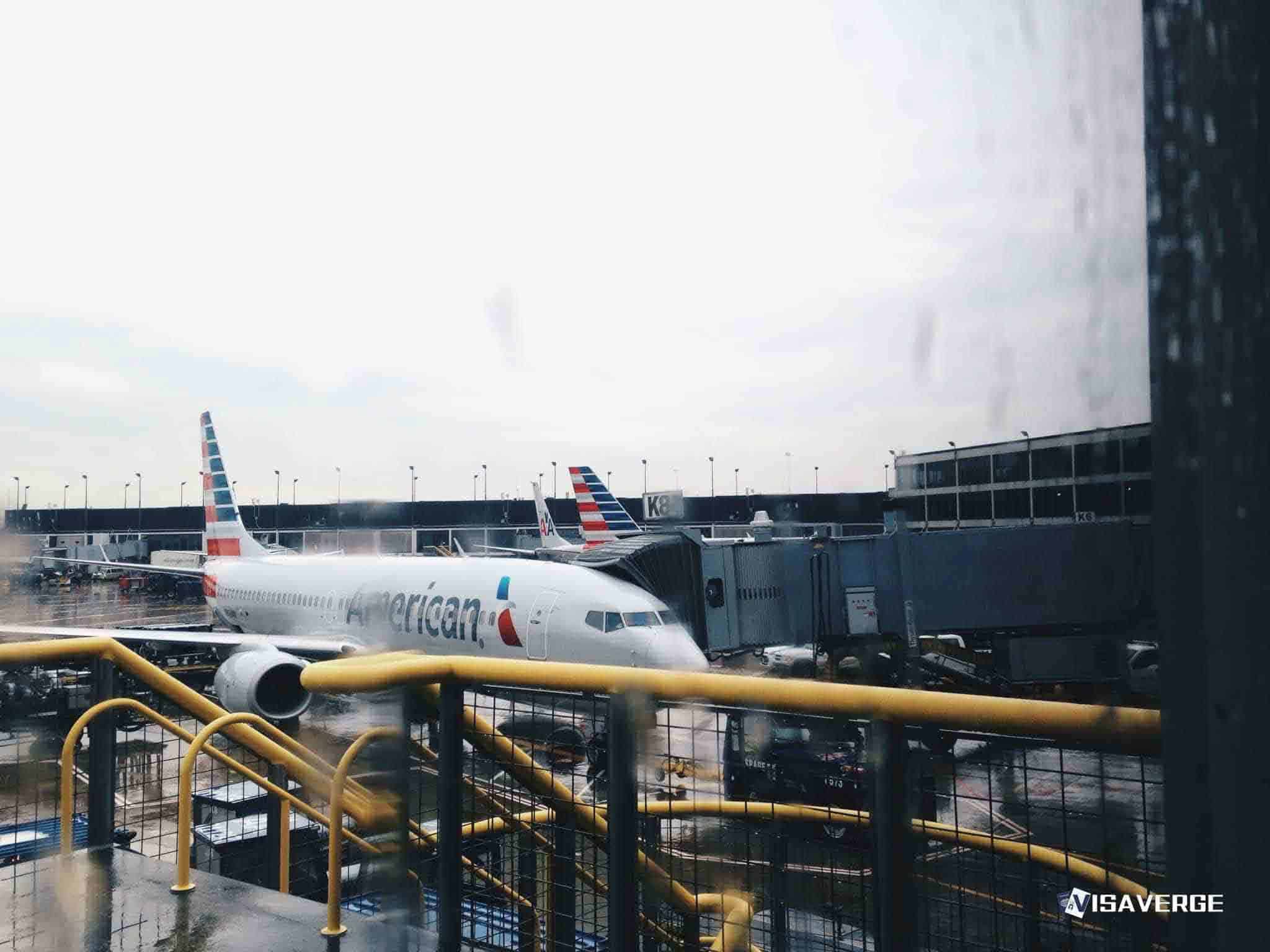
(SAN FRANCISCO, CA) — Christmas Day travel through San Francisco International Airport got messy fast, with wind and winter weather triggering widespread delays. If you’re flying through SFO today, plan for longer gate holds, late connections, and possible rebookings.
By late morning Thursday, nearly 200 flights were delayed at SFO. Average delays hovered around 24 minutes as of 11 a.m. Local conditions could push averages toward two hours, with some flights delayed up to three hours.
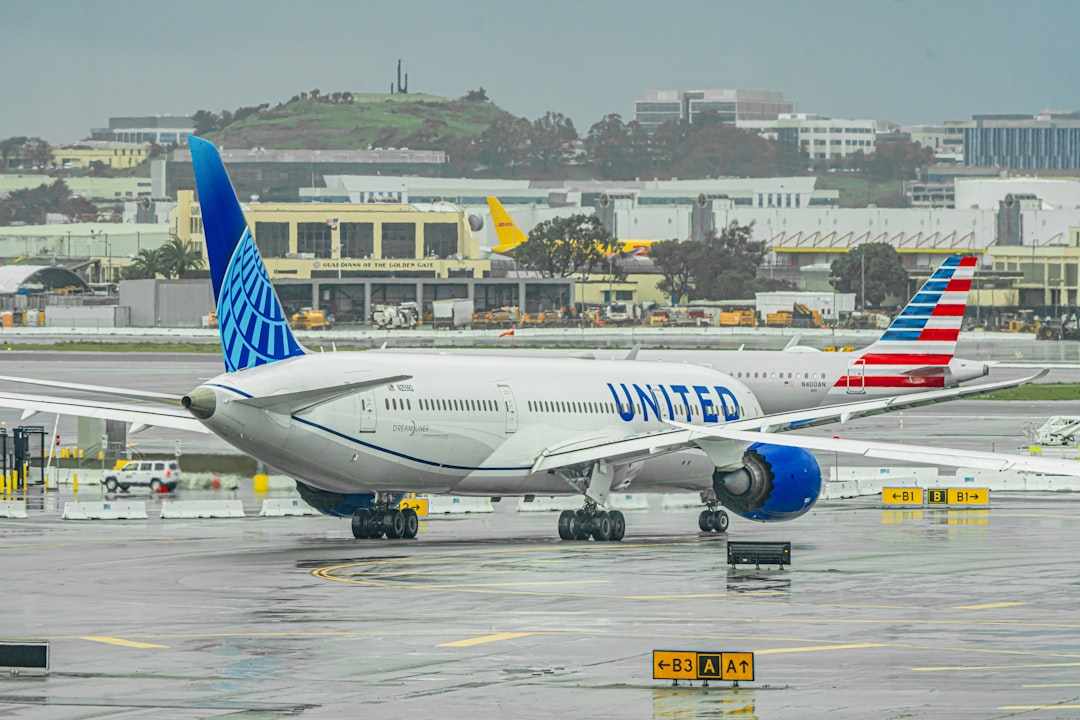
The biggest driver was air traffic flow control. The FAA put a ground delay program in place for SFO arrivals. That program required many inbound aircraft to wait on the ground at their origin airports. It’s a common tool during bad weather and helps prevent airborne holding patterns.
Under the program, arrivals were initially capped at 25 flights per hour. The FAA later raised that number to 28 flights per hour. The program was expected to extend from Thursday into Friday, December 26. The limits applied to all domestic flights and also affected select flights from Canada.
SFO had a packed holiday schedule: more than 900 flights were scheduled to arrive and depart on Christmas Day. Despite the delays, only a small number of cancellations were reported — a silver lining if you’re already ticketed. Delays are painful, but cancellations can strand you overnight.
Still, travelers described a rough ride. Reports from the airport cited crowded cabins and turbulence, with some passengers saying anxiety ran high onboard. Strong winds around the Bay Area can make approaches bumpy, and SFO’s runway layout can reduce arrival rates during certain wind patterns.
This wasn’t only a one-day problem. Delays were already building earlier in the week — about 140 flights were delayed by December 23, with wind a key factor. Thursday’s weather simply brought the disruption to a peak on the busiest travel day.
What the FAA ground delay program means for your trip
A ground delay program often shows up as a late departure from your first airport — which can be confusing when the weather at your origin is clear. Your plane may be held because SFO can’t accept it yet.
How this typically affects you:
– Your inbound aircraft arrives late, so your departure is late.
– You may sit at the gate longer, waiting for a release time.
– Connections get tighter, especially through United’s SFO hub.
If you’re connecting at SFO, your biggest risk is the second leg. Once banks of flights get out of sequence, missed connections rise quickly. This matters most for East Coast travelers and anyone connecting to Hawaii or long-haul international routes.
SFO vs. other Bay Area airports
If you’re still shopping for flights, Oakland (OAK) or San Jose (SJC) can be smart backups. They don’t always escape the weather, but they can avoid SFO’s arrival compression. The tradeoff is fewer frequencies and fewer rebooking options.
| Airport | Best for | Main drawback in disruptions |
|---|---|---|
| San Francisco International Airport (SFO) | Most nonstop options and easiest rebooking | Hub congestion can snowball delays |
| Oakland (OAK) | Some lower fares and simpler traffic flow | Fewer flights, fewer same-day alternates |
| San Jose (SJC) | Good for Silicon Valley, lighter crowds | Limited long-haul network |
Competitive context:
– United has the deepest bench at SFO, often meaning faster reaccommodation when things go sideways.
– Alaska and Delta have meaningful service too, but may have fewer same-day seats during peak holiday loads.
Loyalty and miles: what you should know
Weather delays don’t change how many miles you earn on a completed flight. If you fly, you should still earn as usual. The real loyalty issue is what happens if you don’t fly.
Key points:
– If your flight is delayed but operates, your mileage credit should post normally.
– If you’re rebooked onto a partner or different routing, watch the fare class — a last-minute reissue can change earning rates on some partners.
– If your flight cancels and you take a refund, you typically won’t earn miles.
– If you accept a rebooking, you generally still earn for the flown segments.
If you’re chasing end-of-year elite status, this is a pain point: December 26 is looming and seats will be scarce on many routes. Upgrades add another wrinkle — complimentary upgrades often clear closer to departure, and long delays can reshuffle priority. If you’re on United and counting on a last-minute upgrade, don’t assume it will still apply after rebooking.
⚠️ Heads Up: If you’re rerouted onto a different airline, save boarding passes. Partner mileage claims can take longer after irregular operations.
What to do right now if you’re flying SFO today
Holiday disruptions reward early action. Waiting for the gate announcement is usually the slowest path.
🔔 If you’re checking bags, budget extra time because late inbound bags can miss connections. Treat connections under 90 minutes as high risk and secure an earlier routing now if possible.
Recommended actions:
1. Check your airline app for your flight’s “arrival flow” notes and estimated wheels-up time.
2. If you have a tight connection, look for alternatives before your first flight boards.
3. Consider switching to a later nonstop if available — one flight beats two during a ground delay program.
4. If you’re checking a bag, allow extra time — late inbound bags can miss connections too.
Practical advice:
– Treat any SFO connection under 90 minutes as high risk.
– Lock in an earlier routing now, even if it’s less convenient. Once the arrival rate clamps down again, same-day options disappear quickly.
San Francisco International Airport faced a challenging Christmas Day with nearly 200 flight delays caused by high winds and a formal FAA ground delay program. Although cancellations were minimal, the arrival rate was significantly restricted, leading to wait times of up to three hours. The disruption impacted domestic and Canadian routes, emphasizing the need for travelers to monitor airline apps and consider alternative Bay Area airports.