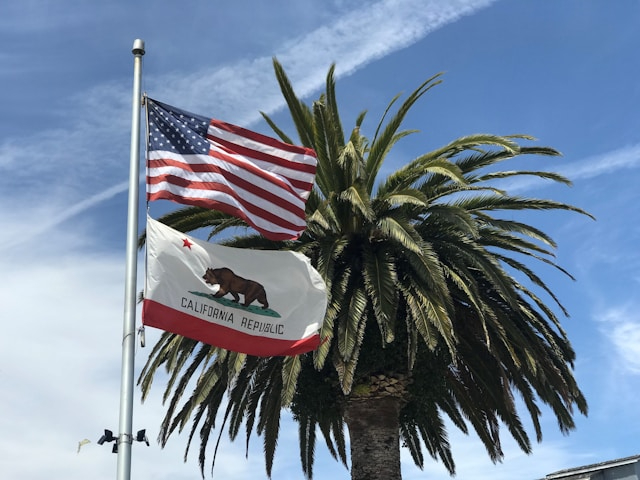
(SAN DIEGO) — A USCIS interview is usually the last major step before a green card or U.S. citizenship decision, but many San Diego applicants are entering 2026 with added anxiety amid stepped-up “interior enforcement” and public messaging about “self-deportation.”
Federal officials have described a sharper enforcement posture going into 2026. Community reports in 2025 also described arrests occurring at or near USCIS offices during appointments. Most applicants will still complete interviews normally, but preparation matters more than ever.
Your goal is simple: show up, bring the right documents, answer consistently, and avoid surprises.
This interview-prep guide focuses on the two most common San Diego USCIS interviews:
- Form N-400, Application for Naturalization (citizenship)
- Form I-485, Application to Register Permanent Residence or Adjust Status (green card), often filed with Form I-130, Petition for Alien Relative
What to expect at a USCIS interview in San Diego
Most interviews follow a predictable structure:
- Check-in and security screening
Bring your interview notice and photo ID. Expect airport-style screening. -
Oath and identity verification
The officer confirms your name, address, and identity documents. -
Review of your application line-by-line
The officer will compare answers to your filed forms and may ask for updates. -
Eligibility and admissibility questions
These include arrests, immigration history, and prior statements to the government. -
For naturalization: English and civics testing, if required
Many applicants test the same day. -
For marriage-based I-485: relationship questions
Some couples receive standard questions; some cases require deeper review.
⚠️ Common Mistake: Skipping the interview due to fear.
Missing a USCIS appointment can cause denial for abandonment. Reschedule using the instructions on your notice.
Form quick reference (fees and typical timelines)
Fees change. Always confirm at uscis.gov/fees before filing or refiling. Processing times are USCIS estimates and vary by office and case type.
| Form | Purpose | Fee (as of Dec 2025; verify) | Typical Processing (as of Dec 2025; verify) |
|---|---|---|---|
| N-400 | Naturalization | $760 | Often 8–14 months (field office dependent) |
| I-485 | Adjustment of Status (green card) | $1,225 (often includes biometrics; verify) | Often 8–14 months (NBC + San Diego field office varies) |
| I-130 | Family petition | $625 | Often 10–16 months (service center dependent) |
| I-765 | Application for Employment Authorization (EAD) | $410 | Often 3–7 months |
⏱️ Processing Time: These are estimates as of December 2025.
Check the official tool at https://www.visaverge.com/processing-times/.
Required documents to bring (San Diego USCIS interview)
Bring originals when possible, plus one set of copies. Use your interview notice as the controlling list.
Document checklist
| Document | Required | Notes |
|---|---|---|
| USCIS interview notice | Yes | Bring the original notice |
| Passport or government photo ID | Yes | Bring current and expired passports if available |
| All I-94 records (if any) | If applicable | Print from official sources you used previously |
| Birth certificate | Often | Include certified translation if not in English |
| Marriage certificate / divorce decrees | If applicable | Bring all prior marriage termination records |
| Proof of current address | Recommended | Lease, utility bill, or bank statement |
| Tax transcripts | Often | Especially common in N-400; bring 3–5 years if available |
| Certified court dispositions | If applicable | Required for any arrest or citation that went to court |
| Selective Service proof | If applicable | For many males who lived in the U.S. ages 18–26 |
| Two passport-style photos | Sometimes | Bring if your notice requests them |
Extra documents for Form I-485 (marriage-based)
| Document | Required | Notes |
|---|---|---|
| Joint documents | Strongly recommended | Joint lease, bank, insurance, utility bills |
| Photos together | Recommended | Keep it simple and labeled by date/place |
| Children’s birth certificates | If applicable | Helps show family ties |
| Updated Form I-864 evidence | If applicable | Bring updated sponsor income proof if job changed |
Extra documents for Form N-400
| Document | Required | Notes |
|---|---|---|
| Travel history list | Strongly recommended | Dates outside the U.S. for the statutory period |
| Proof of marital union | If applying under 3-year rule | Joint documents and spouse proof of citizenship |
| Name change documents | If applicable | Court order or marriage certificate |
📋 Required Form: Your interview notice controls what USCIS expects.
If you updated anything, bring a signed statement and supporting proof.
Common USCIS interview questions (by application type)
Form I-485 (family-based green card) interview questions
Expect questions in these categories:
- Biographic basics: full name, DOB, address, prior addresses
- Immigration history: last entry, visa type, overstays, prior removals
- Eligibility and inadmissibility: the “yes/no” security and immigration questions
- Marriage and relationship: how you met, daily routines, finances, family
Sample questions:
1. What is your spouse’s full name and date of birth?
2. Where did you meet, and when did the relationship become serious?
3. Where do you live, and who else lives there?
4. Who pays which bills, and where do you bank?
5. Have you ever used another name or date of birth?
6. Have you ever worked without authorization or overstayed?
7. Have you ever been arrested or cited, even if dismissed?
Form N-400 (naturalization) interview questions
Expect questions in these categories:
- Eligibility: continuous residence, physical presence, good moral character
- Application review: addresses, jobs, travel, marital history
- Security questions: affiliations, prior claims to citizenship, voting issues
- English and civics: reading, writing, and civics questions, if required
Sample questions:
1. List your trips outside the United States. Why did you travel?
2. Have you filed and paid required taxes? Do you owe any taxes?
3. Have you ever claimed to be a U.S. citizen?
4. Have you ever failed to support dependents?
5. Have you ever been arrested, cited, or detained?
6. Civics: Who is the Governor of California?
7. Civics: What is the “rule of law”?
Tips for the day of the interview (arrival time, dress, and conduct)
- Arrive early. Plan to arrive 30–45 minutes early. Parking and security lines vary.
- Dress code: business or business casual. Avoid graphic shirts, shorts, and flip-flops. Aim for neat and respectful attire.
- Bring a binder with tabs. Use labeled sections: ID, notices, civil docs, taxes, court records, joint proof.
- Answer only what was asked. Be honest and direct. Do not guess. Ask to clarify if needed.
- Stay consistent with your filings. If something changed, explain it calmly and provide proof.
- Use an interpreter if you need one. Follow the instructions in your interview notice. Some interviews have limits.
- If you are concerned about enforcement risk, get legal advice before the date. In periods of heightened interior enforcement, screening your history matters.
Verify current fees and processing times on USCIS before filing or refiling, and check the San Diego office for the scheduled time. Plan to arrive 30–45 minutes early with all required documents.
This is especially important if you have prior removal orders, arrests, or fraud findings. It also matters if you received a Notice to Appear in immigration court.
✅ Pro Tip: If you have any arrest history, bring certified dispositions for every incident.
A simple police printout often is not enough.
What happens after the interview
USCIS may decide your case quickly or take additional time.
Common post-interview steps
- Same-day decision or “recommended for approval.” Some applicants receive a decision at the window; others receive it later online.
- Request for Evidence (RFE) or Notice of Intent to Deny (NOID). USCIS may ask for missing documents or explanations.
- Additional review and background checks. Name checks and records reviews can extend timelines.
- Second interview (sometimes). More common in complex marriage-based I-485 cases.
- For N-400 approvals: oath ceremony scheduling. You may receive a same-day oath or a later ceremony notice.
Possible outcomes: approval, RFE, denial
Approval
- I-485: You may be approved at the interview or later; the green card follows.
- N-400: You may be approved and scheduled for the oath.
RFE or NOID
USCIS may request:
– updated medical or civil documents
– missing tax proof or certified court records
– more relationship evidence for marriage-based cases
– clarification on travel, residence, or identity issues
Respond by the deadline with a complete packet. Partial responses often cause delays.
Denial
Denials happen for ineligibility, credibility issues, missed appointments, or missing required evidence. Some denials can be appealed or reopened, depending on the form and reason.
- N-400: You may be able to request a hearing on the decision.
- I-485: Options may include a motion, refiling, or immigration court defense.
Given the 2025–2026 focus on interior enforcement and public pressure toward self-deportation, a denial can have higher stakes for some applicants. If you have removal risk, speak with qualified counsel before interviewing.
Do not skip the interview out of fear—abandonment can lead to denial. If you have prior arrests, removals, or removal risk, consult an immigration attorney before the interview date.
Practical next steps (do these before your interview)
- Download fresh copies of your filed forms and compare them to your evidence.
- Gather originals and copies using the checklist above.
- Print your USCIS online account case status from my.uscis.gov.
- Check current fees at uscis.gov/fees if you may need to refile anything.
- Check processing times at https://www.visaverge.com/uncategorized/processing-times/ for your form.
- Arrive 30–45 minutes early at the San Diego field office listed on your notice.
📋 Official Resources: Download forms at https://www.uscis.gov/forms. Check processing times at https://egov.uscis.gov/processing-times. Fees and processing times are subject to change—always verify current information at https://www.uscis.gov.
This guide outlines the critical steps for San Diego residents facing USCIS interviews in 2026. Amidst a climate of increased enforcement, it emphasizes the importance of document organization, understanding the interview structure, and maintaining consistency in answers. It covers specific requirements for citizenship and marriage-based green cards, providing fee schedules, processing estimates, and strategic tips to avoid common pitfalls like abandonment or inadequate evidence.