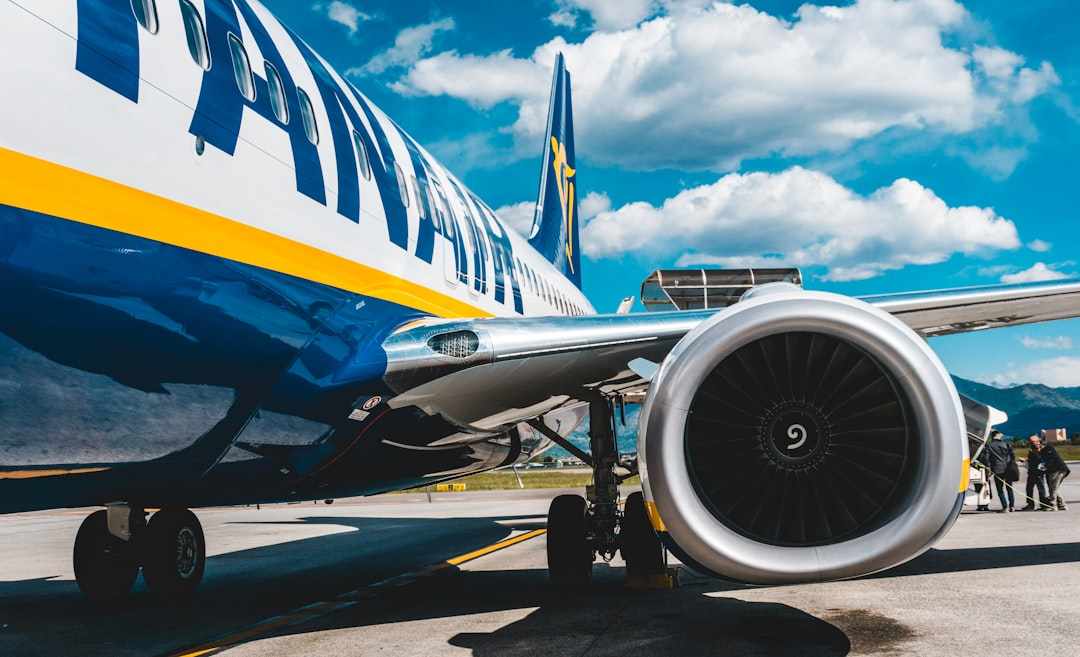
(EDINBURGH) A Ryanair flight bound for Faro, Portugal, collided with a fuel truck at Edinburgh Airport on December 22, 2025, prompting an evacuation of all passengers after they had boarded and the aircraft began moving toward the runway.
Edinburgh Airport said there was no fire, no reported injuries in updates through 11:43 GMT, and “no impact” on wider airport operations, but the disruption stranded a full load of holiday and family travellers at the start of what is often one of the busiest travel weeks of the year.
What happened on board
Passengers said the aircraft was taxiing when it struck the tanker — an unusual collision that can feel especially alarming because people are strapped in, windows closed, and exits not in use.
One passenger told The Scottish Sun the moment was “scary,” adding that the pilot downplayed the seriousness over the intercom before telling those on board the plane could no longer be used. The evacuation followed, with travellers leaving the aircraft and waiting for further instructions as airport and airline staff worked out how to rebook them and retrieve checked bags.
Emergency response and early updates
Edinburgh Airport confirmed the “incident” involved a Ryanair aircraft and a fuel truck, and said its own fire crews responded. The Scottish Fire and Rescue Service said it was alerted after the collision and sent one pump to stand by, while airport responders handled the scene.
By late morning, officials stressed the event had not spread beyond the immediate stand, and that departing and arriving flights were continuing — a key point for travellers anxious about connecting flights and missed onward plans.
Media reports and timeline
Reports of the crash circulated quickly in local and national media.
- The Scottish Sun published the passenger account saying the plane was beginning to move toward the runway when it hit the tanker.
- The Telegraph later confirmed the collision and evacuation, reporting it around 2:09pm GMT and aligning with details carried by GB News.
- Edinburgh Airport’s statement sought to limit alarm by saying there was no fire and that operations were not affected.
Important timestamps:
| Time (GMT) | Update |
|---|---|
| 11:36 | First public update reporting no injuries |
| 11:43 | Update refreshed confirming no reported injuries and ongoing checks |
| 14:09 | The Telegraph reports confirming collision and evacuation |
Passenger consequences — travel and immigration impacts
For international travellers, a ground incident like this is not only a transport story; it can quickly become an immigration problem.
- Passengers may have hotel check-ins, work start dates, or family events dependent on same‑day arrival.
- Some travellers are on visas or residence permits with fixed dates.
- When an aircraft is taken out of service, passengers can be rebooked on later flights or routed through other airports — changes that can affect entry appointments, connecting flights, and pre‑paid ground transport.
Even travellers who do not need a visa may face questions at passport control. Border officers can ask for proof of return travel and accommodation, so last-minute changes sometimes mean pulling up emails and new boarding passes.
- The UK government’s travel advice for Portugal, including entry document rules, is published at GOV.UK.
Practical advice from analysis and passengers’ experiences
According to analysis by VisaVerge.com, travel disruptions linked to airport incidents most often affect people mid‑process in immigration systems — for example, students, sponsored workers, and family visitors — because they carry extra paperwork and face deadlines for check‑ins or interviews.
Recommended precautions travellers commonly use:
– Keep digital copies of passports, visas, and invitation letters on your phone.
– Save airline notices about delays to explain late arrival to employers or schools.
– Keep passports and travel papers in carry‑on rather than checked luggage if you may need them upon arrival.
After Monday’s collision at Edinburgh Airport, passengers said they waited for information about replacement aircraft and new departure times — a period that can feel long when worried about missed connections and knock‑on effects for entry plans.
Airline and safety checks
Ryanair did not immediately publish detailed updates. Travellers typically rely on airline staff at the gate to confirm whether a substitute plane will be brought in or whether the flight will be cancelled and rebooked.
In incidents involving a fuel truck, safety checks can take longer because:
– Airport teams must inspect both the aircraft and the refuelling equipment.
– They may need to clean up spilled fuel before any movement resumes.
– Both the airline and airport operator can face questions about vehicle movements, radio instructions, and ramp procedures.
Passengers on the Faro service described being told the aircraft could not fly, which often sets off a scramble for seats on later departures — especially when many airlines are already full. For foreign nationals in Scotland on short visits, an unexpected delay can raise practical worries about hotel extensions and planned exit dates.
Investigation focus and official comments
Edinburgh Airport said the collision happened “this morning” and stressed that its fire crews were already on scene, while the Scottish Fire and Rescue Service kept a pump on standby as a precaution.
The fact that no fire was reported will matter to investigators, because a fuel tanker strike can raise fears of ignition even when the impact seems minor. Ground aviation incident reviews typically focus on:
– Vehicle movements on the ramp
– Radio and ground control instructions
– Ramp procedures and staffing
The first public update reporting no injuries was timestamped 11:36 GMT and later refreshed at 11:43 GMT, while a later media report from The Telegraph came at 2:09pm GMT, underscoring how quickly information can evolve for passengers, relatives, and employers following events in a secure airside area.
Key takeaway: Although there were no injuries and no fire, the aircraft could not continue, and the incident demonstrates how a single ground collision can cascade into travel, logistical, and immigration complications for passengers.
Edinburgh Airport reiterated there was no fire and no reported injuries, but said the aircraft could not continue. Further updates are expected as the incident is examined.
A Ryanair aircraft heading to Faro collided with a fuel truck at Edinburgh Airport on December 22, 2025. Although the collision caused no fire or injuries, all passengers were evacuated, leaving holiday travelers stranded. While general airport operations continued normally, the incident highlights how ground collisions can disrupt travel plans and create logistical or immigration challenges for international passengers facing strict visa deadlines.