- DHS issued hundreds of administrative subpoenas targeting anonymous accounts that criticized Immigration and Customs Enforcement.
- Major platforms including Google, Meta, and Reddit voluntarily complied with requests for user identifying information.
- Protesters launched a Resist and Unsubscribe campaign against tech giants to protest cooperation with federal immigration agencies.
(UNITED STATES) — The Department of Homeland Security has sent administrative subpoenas to major tech platforms seeking identifying information tied to anonymous accounts criticizing U.S. Immigration and Customs Enforcement, and Reddit, Meta, and Google voluntarily complied in at least some instances, according to a New York Times report cited in recent coverage.
The subpoenas sought user-identifying details “such as names, email addresses, and phone numbers” from accounts posting anti-ICE content, the coverage said. Companies named in that reporting included Google, Meta, Reddit, and Discord.
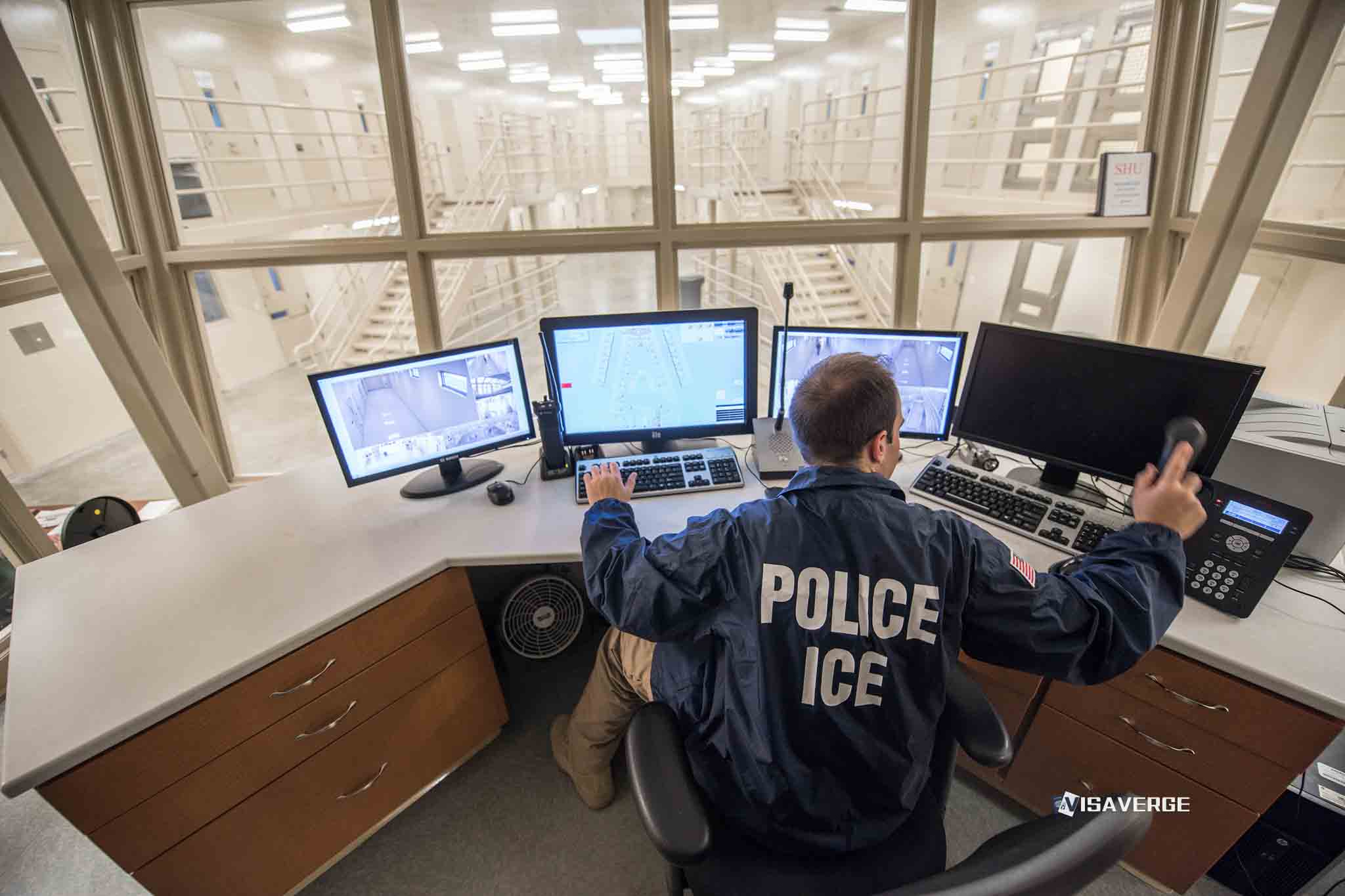
DHS issued hundreds of the subpoenas in recent months, the coverage said, describing a push that reached across multiple platforms where users post and organize under pseudonyms. The effort focused on anonymous social media users who criticized ICE or posted content tied to anti-ICE activity.
DHS officials said the effort aimed to protect officers’ safety and prevent the disclosure of law enforcement locations. The coverage did not detail specific incidents that prompted the subpoenas, but described the government’s rationale as focused on safety and operational security.
The New York Times report, as described in the recent coverage, said Reddit, Meta, and Google “have voluntarily complied with some” of the subpoenas. It did not specify how often each company complied, what information was turned over in particular cases, or whether any of the data was later used for enforcement actions.
Administrative subpoenas can allow the government to seek information directly from companies, rather than through more visible courtroom litigation, and the coverage portrayed the approach as one that can extend quickly across the web. The reporting described the subpoenas as targeting people who posted content criticizing ICE, placing political speech and organizing alongside the government’s stated safety concerns.
Google, the coverage said, sometimes notifies users when their accounts receive subpoenas, offering a limited window to challenge the demand in court before the company complies. That notification does not always happen, the report said, because companies may be legally prohibited from warning users or may face exceptional circumstances.
A Google spokesperson described the company’s approach in a statement quoted in the coverage: “We inform users when their accounts have been subpoenaed, unless under legal order not to or in an exceptional circumstance. We review every legal demand and push back against those that are overbroad.”
The coverage did not include public statements from Meta, Reddit, or Discord describing how they reviewed the DHS administrative subpoenas in question. It also did not describe whether any of the companies sought to narrow the demands, how often they resisted requests, or whether users received notice outside of Google’s practices.
Even so, the reporting framed company review processes and notice practices as central to how anonymous anti-ICE users could react once a subpoena arrives. A user who learns their account has been subpoenaed could attempt to challenge the request in court, but the coverage indicated that notice can be delayed or barred under legal restrictions.
The same coverage said no rejections of the DHS requests by the companies were reported. It did not explain whether that meant the companies complied in every case, whether some subpoenas were narrowed without being described as rejected, or whether any fights occurred out of public view.
Public reaction followed, the coverage said, with protesters launching a “Resist and Unsubscribe” campaign aimed at tech firms viewed as supportive, including Meta and Google. The campaign did not target Reddit, the report said.
The coverage did not describe what “Resist and Unsubscribe” organizers asked users to do beyond the campaign name, nor did it quantify participation. It did not identify the protest organizers, provide examples of campaign materials, or describe whether the campaign focused on account deletions, boycotts, subscription cancellations, or other actions.
Still, the response underscored how quickly pressure can shift to platforms when government demands touch political organizing and anonymity. The reporting connected the subpoenas and the reaction to broader questions users raise about privacy expectations on services that collect account information and can be asked to produce it.
Those tensions extend beyond the immediate platform that receives a subpoena, the coverage suggested, because identity and location data can move through connected systems. A person may post on Reddit, Meta platforms, or Google-linked services under one name, sign up for another service using the same contact details, and leave a trail that makes separate accounts easier to connect once identifying information is disclosed.
Beyond social media, the coverage pointed to related concerns about law enforcement access to camera networks and data-sharing arrangements. It cited Amazon-owned Ring’s collaboration with Flock’s AI network, which it said shares doorbell camera data with law enforcement and could be accessible to ICE.
The report did not describe how that potential access would occur in practice or whether ICE has used such data in any cases tied to the subpoenas. It also did not lay out what information Ring users might have shared, what the AI network collects, or what rules govern access by different agencies.
Even without those details, the mention of Ring and Flock in connection with DHS efforts reflected a broader worry raised in the coverage: that investigations can widen from the original online account to other data sources, including camera footage shared with law enforcement. That widening can occur through partnerships and networks that users may not associate with political posts at all.
For anti-ICE users and others who rely on anonymity online, the episode described in the coverage raised questions about what platforms can hand over when the government asks for account-linked identifiers. It also highlighted how notification practices and legal restrictions can shape whether users find out before a company produces data.
The coverage did not say whether DHS disclosed the subpoenas publicly or whether the companies released transparency reports addressing them. It also did not provide copies of the subpoenas, identify which DHS component issued them, or describe the language used in the requests beyond the general categories of identifying information.
What comes next, as portrayed in the coverage, could include further scrutiny of how tech firms handle legal demands tied to online speech and organizing, alongside continued debate about the boundary between officer-safety rationales and the identification of anonymous critics. The “Resist and Unsubscribe” campaign showed that some users and protesters plan to keep the focus on companies’ choices, not only on DHS.