The United States Transportation Security Administration (TSA) set a new record for air travel screening as the long Thanksgiving weekend came to a close, with 3,133,924 airline passengers passing through airport checkpoints on Thanksgiving Sunday, November 30, 2025. The agency confirmed it was the busiest single day in U.S. history for airport security screening, outpacing both this year’s summer peak and last year’s holiday rush.
The milestone underscores how strongly air travel has rebounded, and it affected almost every part of the system — from security lines to immigration checks for international travelers arriving in the country.
Recent record comparisons
According to the agency, the previous all-time high was 3,096,797 on June 22, 2025, a busy summer travel day. The latest Thanksgiving Sunday rush also topped the prior year’s holiday record of 3,088,836 travelers screened on December 1, 2024.
These records were set within a span of less than two years, showing how rapidly air travel demand has grown. For people on visas, green card holders, and U.S. citizens returning from trips abroad, packed terminals and long security lines meant added stress layered onto already complex international journeys.
Table — Recent top single-day TSA screening totals
| Date | Passengers screened |
|---|---|
| November 30, 2025 (Thanksgiving Sunday) | 3,133,924 |
| June 22, 2025 (Summer peak) | 3,096,797 |
| December 1, 2024 (Holiday rush) | 3,088,836 |
Disruptions and system-wide effects
The new record came even as Midwest weather disrupted flights, causing delays and cancellations. Despite that, TSA officers processed over 3.13 million people in one day, meaning many airline passengers waited longer in security lines and at boarding gates.
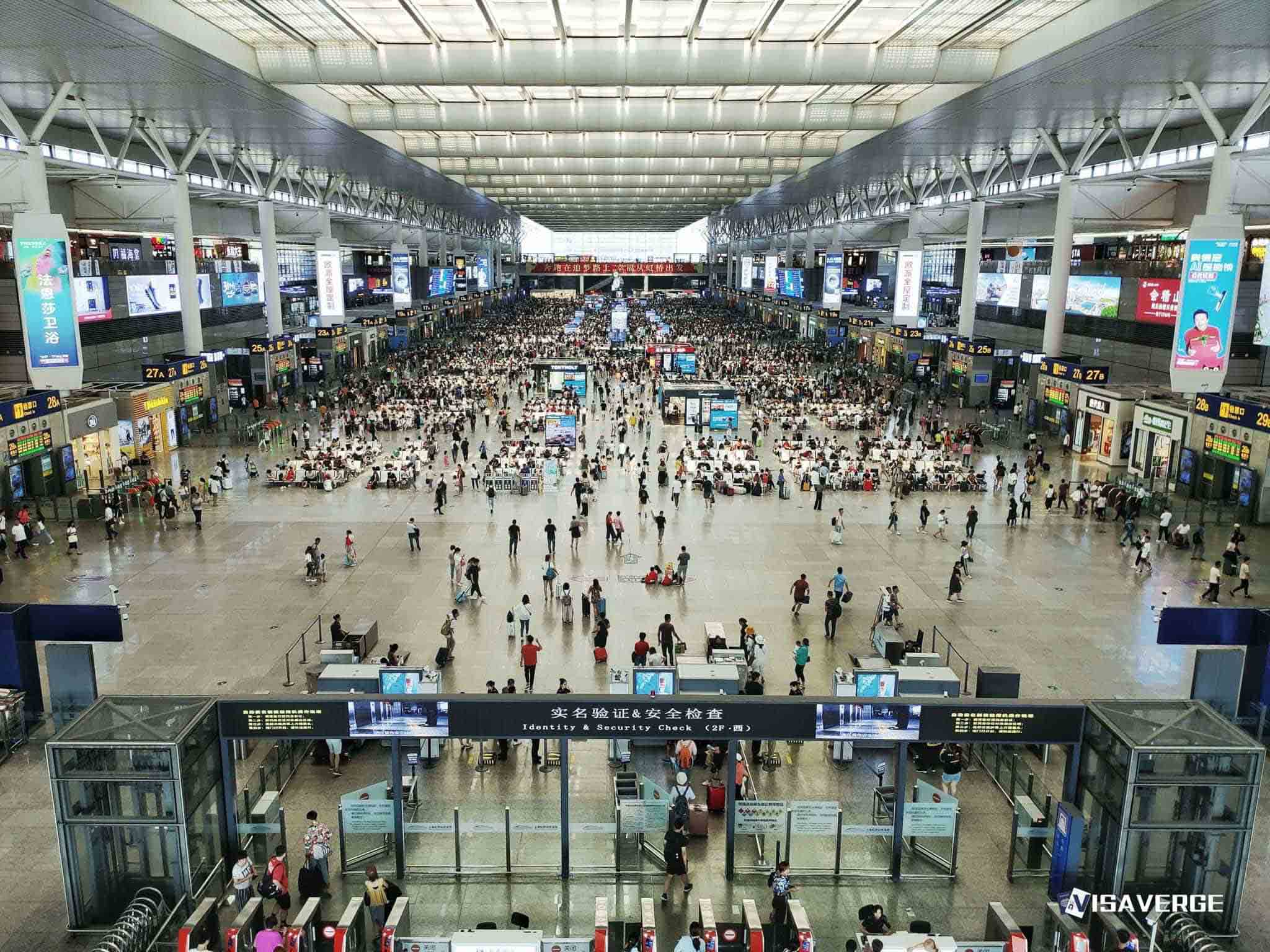
For those arriving from overseas, the crowds did not end at the TSA checkpoint. After landing, foreign nationals still needed to clear U.S. Customs and Border Protection checks, including passport control and, for many, visa inspection and entry questioning. When the front end of the airport — the TSA screening area — is packed, pressure tends to spread throughout terminals and onto arrival halls.
High-volume security screening days often create cascading delays across airports: longer security waits, tougher connections, and heavier demand on border inspection services.
A sustained trend, not a one-off
The rise in traffic is not a one-day event. In 2025, the TSA has already crossed the 3 million passenger mark on at least 10 separate days, far more frequently than in earlier years.
That pattern signals that very high-volume travel days are becoming a normal part of the aviation calendar rather than rare spikes. For immigration lawyers, international students, and travelers requiring extra screening, that trend matters because crowded airports increase the risk of missed connections — especially for those who must go through secondary inspection when entering the country. A missed flight can mean missed visa appointments, delayed school start dates, or postponed work start dates.
Broader context and passenger growth
The record-setting Sunday follows a strong year in 2024, when the TSA reports it screened 904 million passengers, a 5% increase from 2023. That growth has made U.S. airports some of the busiest in the world on peak days and has direct impact on how fast people can move through security and immigration processing.
As VisaVerge.com reports in its broader analysis of travel trends, sustained increases in passenger numbers put pressure on every part of the travel chain — from airline staffing to federal inspection services. When even a small percentage of travelers have visa issues, expired documents, or questions about their status, the absolute number of people needing help from border officers can become quite large.
Recommendations for travelers and peak-hour guidance
Major airports are already urging travelers to adjust their behavior during peak times. Airport operators recommend that passengers arrive at least two hours before their flights, especially during busy holiday periods such as Thanksgiving Sunday and the December holiday season.
The TSA notes that the busiest security checkpoint hours are usually:
- Before 9 a.m.
- Between 2 p.m. and 5 p.m.
- From 9 p.m. to 11 p.m.
Those time blocks matter for both domestic and international passengers. Many long-haul flights to and from Europe and Asia leave or arrive during these windows, increasing the likelihood that people with visa-related documents, proof of status, or travel authorizations will face large crowds exactly when they can least afford delays.
For official TSA travel advice and security rules, see: https://www.tsa.gov/travel/security-screening
Practical tips for immigrants and international visitors
The surge highlights the importance of keeping all documents ready and organized:
- Have passports, visas, and U.S. immigration documents (e.g., green cards, I-797 approval notices) easily accessible.
- Carry any required travel authorizations or proof of status for inspection.
- Build extra time into your schedule to account for both security and immigration checks, especially on known peak days.
A foreign student on an F-1 visa, a worker with an H-1B approval, or a tourist from a visa-required country will all need to show valid documents at the border. On peak days, a delay at the TSA checkpoint can cut into time needed to make tight connections and still clear passport control.
Institutional readiness and future challenges
The record raises questions about how prepared airports and federal agencies are for continued growth in passenger numbers. If 904 million people were screened in 2024 and volumes are climbing further in 2025, days with more than 3 million travelers may soon become routine rather than exceptions.
That puts pressure on:
- Security infrastructure
- Staffing levels
- Technology and equipment
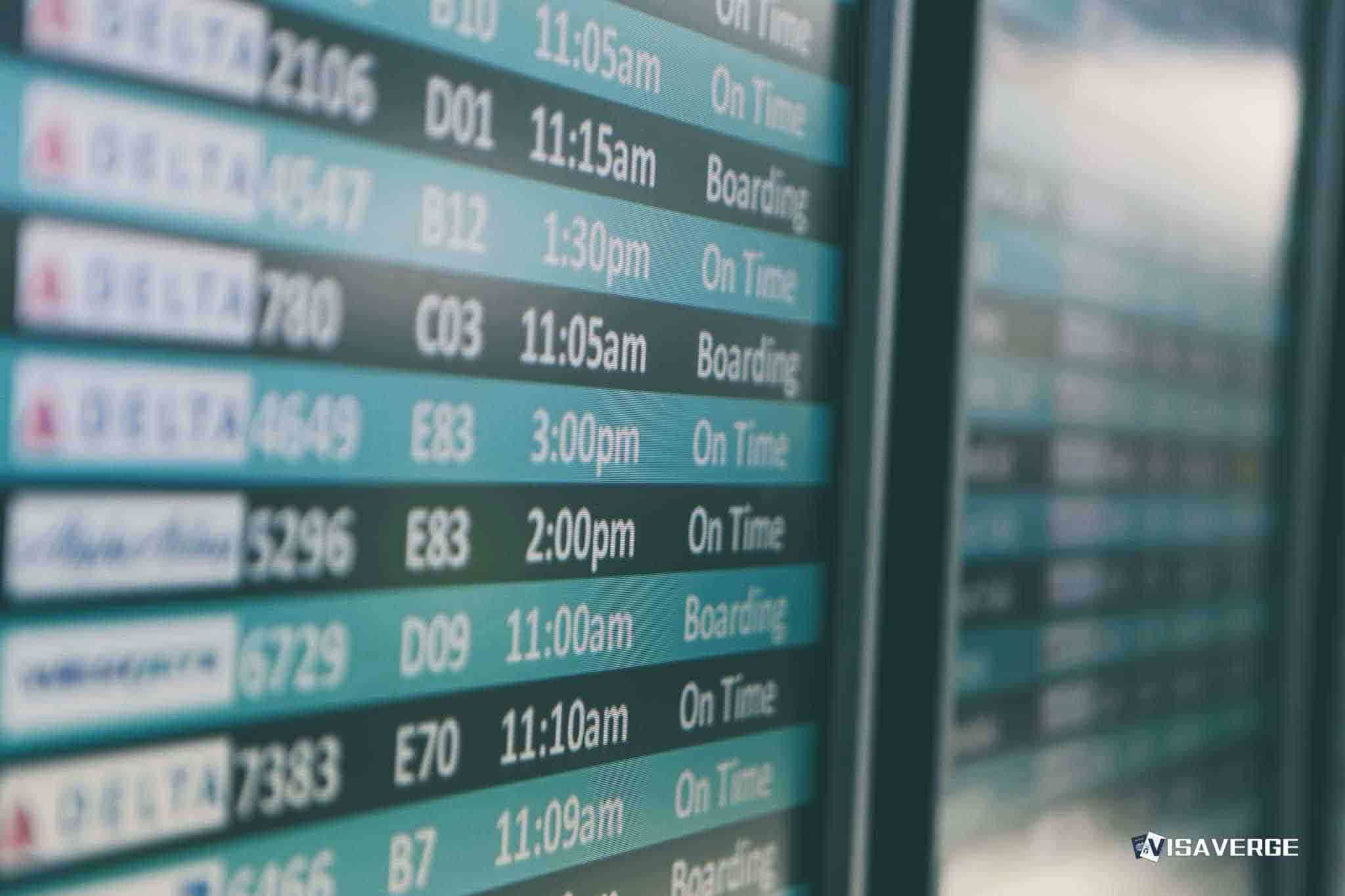
The TSA has been rolling out new equipment and updated procedures at many airports. Still, even with better technology, high-volume days can produce long lines that snake through terminal corridors, anxious passengers checking departure boards, and families hurrying along crowded concourses.
Impact on travelers with immigration concerns
For people with immigration issues, these large crowds can heighten anxiety. Travelers on advance parole, temporary work permits, or with pending asylum or adjustment of status may already feel uncertain about each step of their journey.
It’s important to remember:
- The TSA screens for identity and prohibited items at security checkpoints.
- U.S. Customs and Border Protection (CBP) officers handle visa questions and determine entry eligibility at the border inspection point.
Clear communication about what each agency does — and does not — check can help reduce confusion and stress during travel.
Takeaway
The November 30, 2025 record on Thanksgiving Sunday demonstrates shifting U.S. travel patterns as more people fly for holidays, work, and study. As more days break the 3 million passenger barrier, agencies responsible for security and border control will need to keep adjusting to maintain safety while keeping people moving.
For millions of travelers — including many with complex immigration stories — those adjustments will shape how stressful or smooth their next trip through a U.S. airport feels.
On November 30, 2025, the TSA screened 3,133,924 passengers, the busiest single day in U.S. history for airport checkpoints. This surpassed prior records from June 22, 2025, and December 1, 2024. Despite Midwest weather disruptions, transportation officials processed the record volume, reflecting a sustained 2025 trend with at least ten days over three million passengers. Travelers, especially those with visas or pending immigration matters, are urged to arrive early and have documents ready to avoid missed connections and delays.