Travelers flying in the United States 🇺🇸 who show up at airport security without a REAL ID-compliant driver’s license or another accepted ID such as a passport will face a new choice starting February 1, 2026: leave the checkpoint and miss the trip, or pay a nonrefundable $45 fee for an extra identity check that the Transportation Security Administration says can add 10 to 30 minutes to the screening process. The TSA policy, described in recent coverage of the agency’s plans, creates a paid back-up option for people who arrive unprepared after years of warnings about the long-delayed REAL ID requirement.
What the fee covers and how it works
The agency says the fee is tied to an “extra biometric identity verification/secondary screening” process, along with the technology and software needed to run it. In plain terms, the TSA is planning a more involved identity check when a traveler does not have a compliant card in hand, and it wants travelers—rather than the government—to cover the added cost of that work.
- The $45 payment is not a fast-pass and does not guarantee travel.
- TSA will still try to confirm the person’s identity and states that “if TSA cannot verify the person’s identity they may be denied entry to the screening checkpoint and denied travel.”
- If verification is approved, it will be valid for 10 days from the date of travel.
The agency estimates the added process will generally take 10 to 30 minutes, though news coverage warned delays could run longer depending on lines, staffing, and the time required to confirm identity.
Payment options and practical implications
The TSA plans to allow payment:
- Online ahead of time on the agency’s website, or
- In person at the airport before entering the security line.
This split approach anticipates last-minute cases (forgotten wallet, lost license, or discovery that a card is not compliant) while also offering a way to reduce bottlenecks by paying prior to reaching the checkpoint.
Important practical notes:
- The fee is nonrefundable, so if identity cannot be confirmed, the traveler loses the $45 and may be denied travel.
- A verified traveler can reuse the verification for multiple trips within 10 days, but must pay again after that window.
If you might travel before Feb 2026, schedule your REAL ID or passport update now. Gather required documents, book early, and check state processing times to avoid last-minute delays at the airport.
Who this affects and scale of the issue
The policy is likely to affect a minority of travelers, but a substantial number in aggregate:
- TSA estimates roughly 6% of passengers may need this option because about 94% already possess compliant ID (based on cited figures).
- At busy hubs, a 6% problem rate can still create significant delays, pressure on checkpoint staffing, and missed flights that ripple across airlines, families, and employers.
This new fee effectively creates a travel penalty that will hit hardest those with fewer resources to resolve paperwork problems quickly.
Why upgrading licenses can be hard for some people
State motor vehicle offices are urging residents to upgrade licenses well before they fly. The Idaho Transportation Department, for example, has been among the agencies telling people to get a compliant card early and to check required documents before visiting the DMV.
Common requirements and timing issues:
- Many states require:
- Proof of identity and lawful status
- A Social Security number or proof of ineligibility
- Two proofs of address
- Exact document lists vary by state and by individual circumstances.
- Physical cards may take up to two weeks to arrive by mail after issuance in some states.
These timing and document hurdles can be especially difficult for:
- Immigrants and mixed-status families (name spellings, older passports, or inconsistent records across agencies)
- Lawful permanent residents, foreign students, and other noncitizens (shorter license validity tied to immigration documents)
- People balancing work, childcare, and school, where getting a DMV appointment next week versus next month can decide whether they board a flight or lose nonrefundable tickets
Fee history and financial impact
The TSA’s decision to set the fee at $45 represents an increase from earlier discussions:
- An earlier draft proposed a lower fee of $18 in a proposed Federal Register notice.
- TSA finalized the $45 amount, citing higher operational and technology costs.
For travelers, the difference is material:
- $45 can equal the price of a checked bag, a tank of gas, or a family meal.
- For a family of four arriving without compliant ID, the cost could multiply quickly, in addition to the risk that a family member’s identity cannot be confirmed.
Longer-term expectations and operational effects
TSA officials described the fee as “a permanent measure” that “could change based on traveler compliance rates and other operational factors.” That suggests:
- The process is intended to be a standing capability, with associated staffing, systems, and workflow.
- The fee could rise or fall over time depending on usage and operational costs.
Airports and airlines may see indirect effects:
- Missed flights after lengthy identity checks frequently lead passengers to airline ticket counters and gate agents for rebooking or refunds.
- Smaller airports with fewer flights can turn a missed departure into long delays or next-day travel, raising overall costs stemming from a documentation mistake.
What travelers should do now
The most direct public guidance remains the same:
- Check your ID well before you travel.
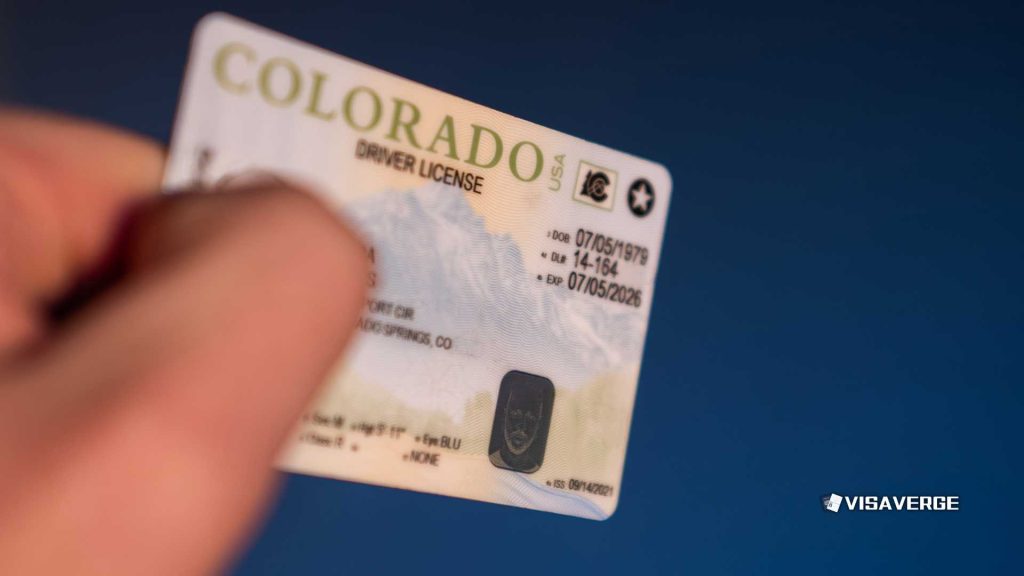
- A REAL ID-compliant license usually has a star marking, but confirm through your state’s DMV guidance rather than guessing—some states use their own branding (for example, “STAR” cards).
- The TSA also maintains a public page on acceptable identification and the REAL ID requirement, including what travelers can do if they arrive without acceptable ID, at TSA’s REAL ID information page.
Paying the $45 does not guarantee boarding. If identity cannot be verified, you may be denied entry, and the fee is nonrefundable even if you’re delayed by lines or staff shortages.
VisaVerge.com reports that the planned fee and the 10-day verification window are likely to change last-minute traveler behavior—pushing more people to:
- Carry passports on domestic routes, or
- Schedule DMV visits earlier than they otherwise would
Key takeaway: Paying the $45 fee does not guarantee a boarding pass. It buys a chance at verification and extra screening time that may stretch beyond the TSA’s estimates when checkpoints are crowded.
With February 1, 2026 set as the start date for the $45 identity check option, travelers who still do not have REAL ID or a passport will need to decide whether to risk a longer, uncertain stop at the checkpoint—or take care of the paperwork before their next trip.
Starting February 1, 2026, the TSA will allow travelers without REAL ID-compliant licenses or passports to pay a nonrefundable $45 fee for extra biometric identity checks. The verification can take about 10 to 30 minutes and does not guarantee boarding; travelers may still be denied if identity can’t be confirmed. Payments can be made online or at the airport and approved verification is valid for 10 days. TSA estimates about 6% of passengers may need this option.