- Qatar has opened a safe corridor for limited repatriation and cargo flights from Doha Hamad International Airport.
- The restricted reopening prioritizes stranded passengers with urgent needs, families, and the elderly through direct airline notification.
- Flight operations remain subject to security assessments following regional military tensions and recent drone interceptions in Qatari airspace.
(DOHA, QATAR) — Qatar reopened part of Qatar Airspace on March 7, 2026 through a special safe corridor that Qatar Civil Aviation Authority (QCAA) and the Qatari military coordinated for limited Qatar Airways repatriation flights and air cargo from Doha Hamad International Airport (HIA).
Qatar restricted the reopening to evacuation-style passenger movements for people stranded by the shutdown and to cargo movements using designated contingency routing, rather than restoring normal commercial service.
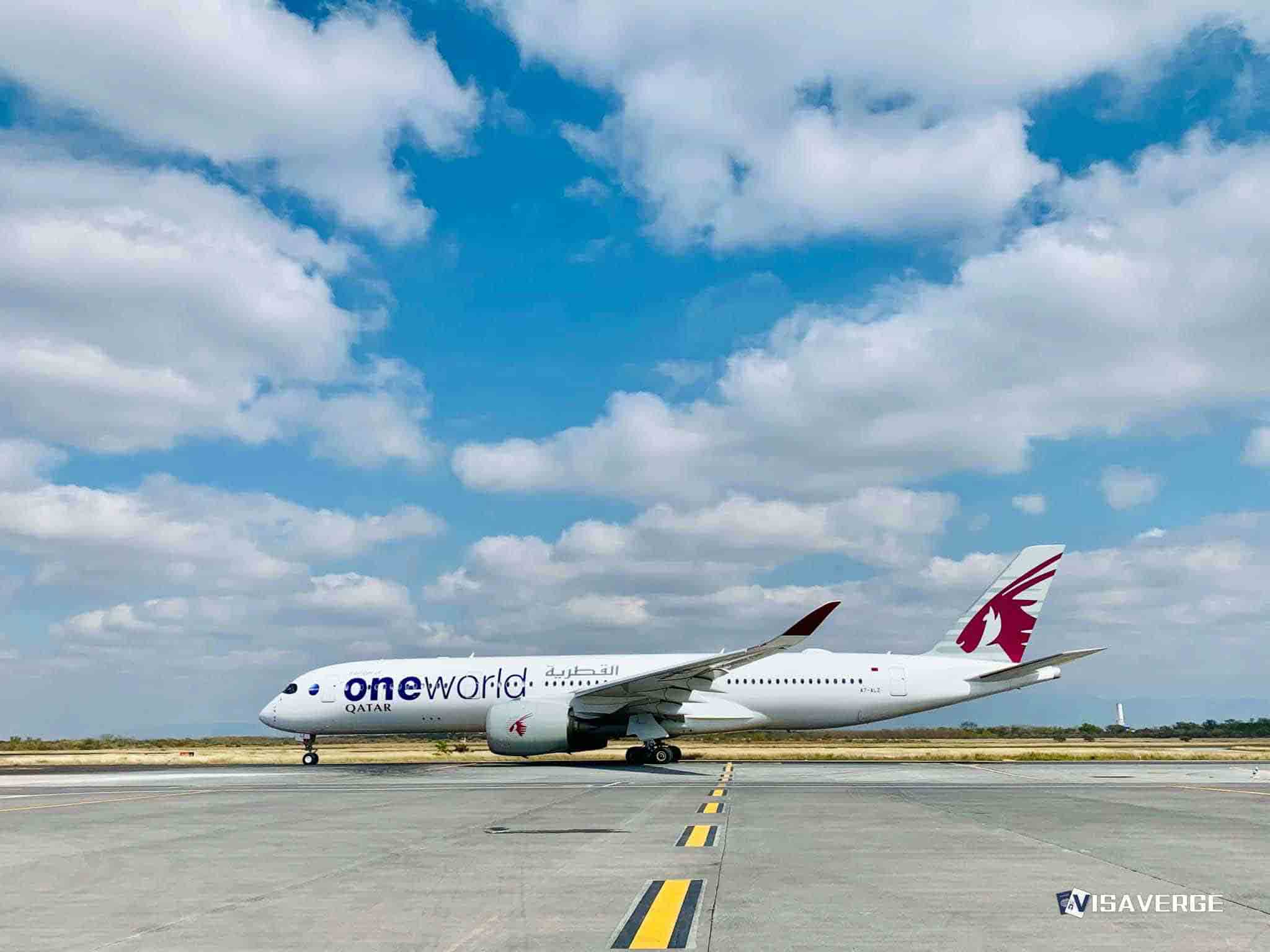
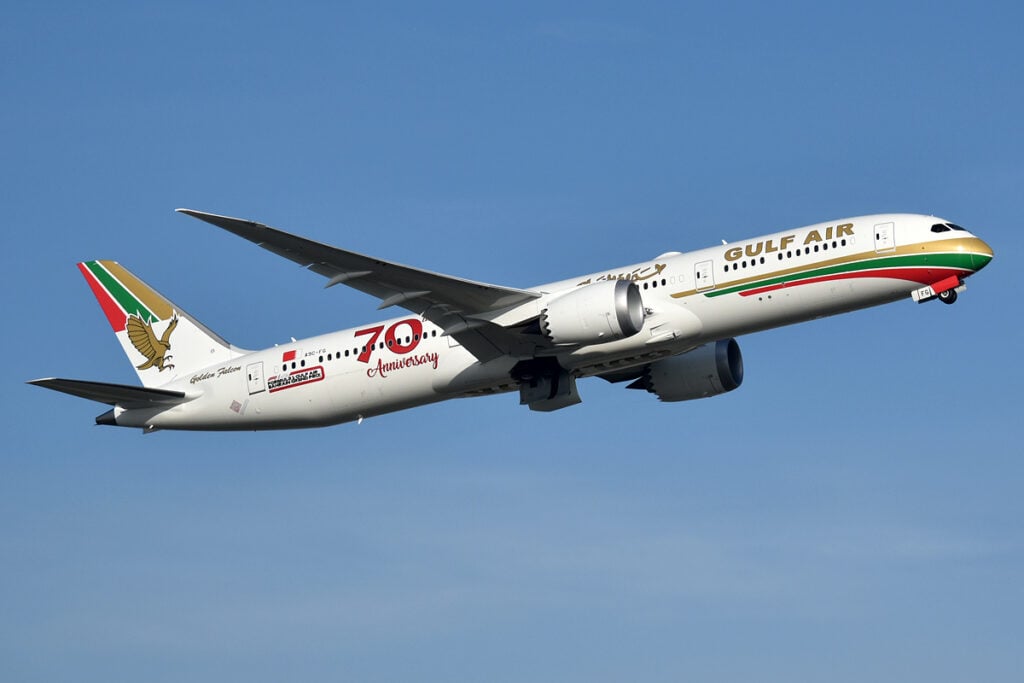
Qatar Airways began the first repatriation flights from Doha on March 7 to London Heathrow (LHR), Paris (CDG), Madrid (MAD), Rome (FCO), and Frankfurt (FRA), as the airline worked through a backlog of disrupted travel.
The partial reopening followed a week-long closure that began February 28, 2026, after US-Israeli airstrikes on Iran and subsequent Iranian missile and drone attacks on Gulf states.
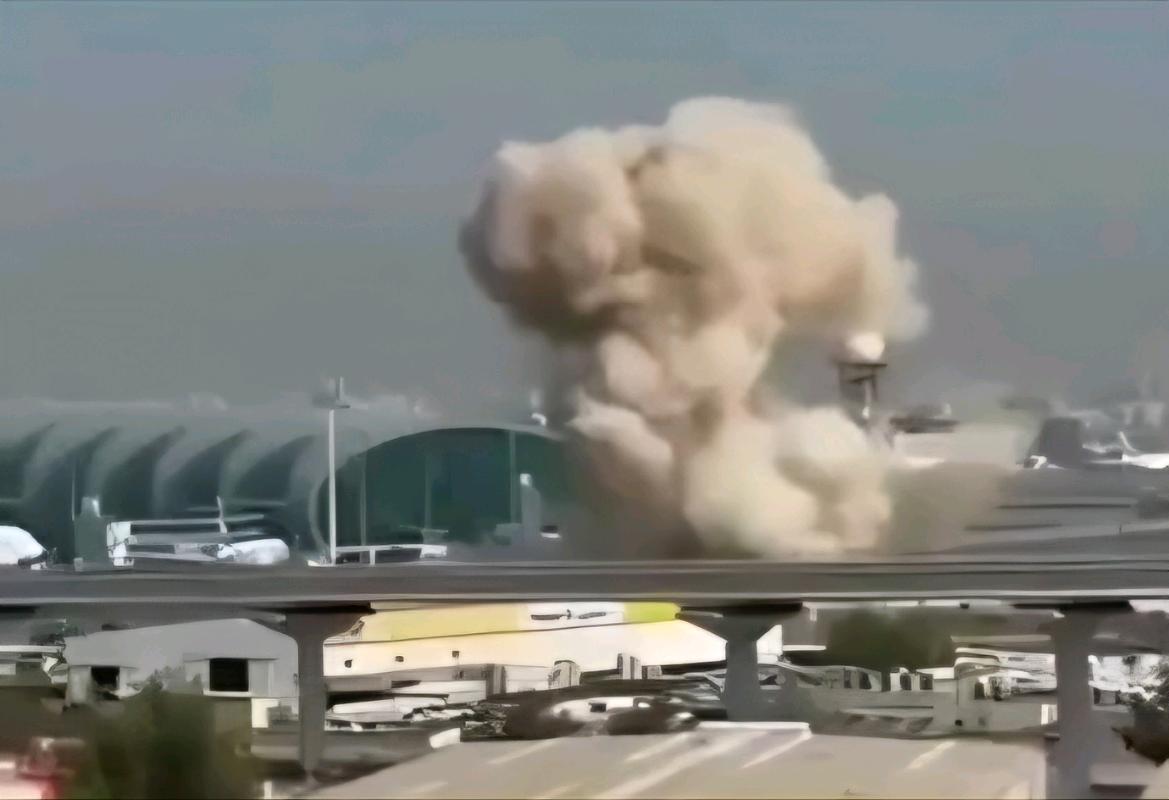
Iranian attacks included 10 drones targeting Qatar on March 6, with 9 intercepted and 1 hitting an uninhabited area with no casualties.
Qatar’s approach differed from the UAE, where Emirates and Etihad resumed limited schedules with new bookings, while Qatar centered its restart on repatriation flights amid ongoing (but diminished) Iranian attacks.
Within the safe corridor, authorities relied on what the guidance described as “navigational contingency routes” that support a “limited number of flights” for passenger evacuation and cargo, rather than reopening the airspace broadly.
That distinction shaped what travelers could expect at HIA, where the corridor did not translate into walk-up departures or a return to routine timetables, even for passengers holding existing bookings.
Capacity under the corridor remained constrained, and the initial repatriation pattern focused on multiple European gateways, with the first wave including London, Paris, Madrid, Rome and Frankfurt.
Qatar Airways set seat prioritization for stranded passengers with families, elderly individuals, and those with urgent medical/compassionate needs, with the airline contacting eligible travelers directly with details.
That notification-first model also meant travelers could not assume they would be offered a seat based only on having a booking, even on a flight that appeared in public-facing schedules.
Airport access rules tightened alongside the limited restart, with guidance that passengers must not go to HIA unless officially notified.
Qatar Airways directed customers to update contact information via qatarairways.com or the app and then await direct instructions, tying the boarding process to confirmed outreach rather than airport queues.
The airline scheduled its next operational update for March 8 by 09:00 Doha time (06:00 UTC), setting a narrow window for passengers and shippers seeking clarity on whether the corridor would expand.
Flight availability beyond the initial departures depended on security assessments and airspace conditions, leaving the operational picture subject to change as threats and defenses evolved.
For stranded travelers, the repatriation focus established a strict eligibility line: only passengers directly notified by Qatar Airways could fly on the corridor-enabled services.
Qatar Airways did not open the repatriation flights to new bookings, general travelers, or unconfirmed passengers, and scheduled operations had not fully resumed.
The approach echoed earlier relief efforts using alternative departure points under similar notification-first rules, when Qatar Airways operated flights on March 5-6 from Muscat to London, Berlin, Copenhagen, Madrid, Rome and Amsterdam, and from Riyadh to Frankfurt.
That earlier use of Muscat and Riyadh illustrated the contingency planning that accompanied the corridor concept, as the airline worked around constraints by shifting departure points while controlling eligibility through direct contact.
Ticket flexibility accompanied the restricted flying, with Qatar Airways stating that confirmed tickets for Feb 28-Mar 15, 2026 qualified for free 14-day changes or refunds, giving affected customers a defined window to adjust plans without fees.
Even with that flexibility, the limited restart left many passengers waiting for individualized instructions, especially those whose original itineraries relied on connections through Doha.
Cargo movements also formed part of the corridor’s scope, reflecting pressure to reopen at least some freight capacity while passenger operations remained tightly controlled.
The same security logic driving passenger limits also applied to freight scheduling, which depended on the same assessments that governed whether additional corridor flights could operate.
HIA linked any expansion in flying to ongoing assessments, reinforcing that the safe corridor remained a conditional pathway rather than a signal that regional aviation risk had passed.
In practical terms, “fluid security” meant the corridor’s size and usefulness could shift quickly, with the number of flights and their routings tied to changing judgments about threats and defenses.
Air defenses have protected Gulf states, and the initial corridor design aimed to sustain essential movements while limiting exposure to a broader return of traffic.
For travelers, the corridor structure placed the burden on verified communication channels, making updated contact details and responsiveness to airline outreach central to any near-term departure.
For shippers, the corridor offered a limited outlet for air cargo, but not a return to normal capacity, as freight depended on the same constrained routing and flight limits as the repatriation effort.
Qatar Airways framed its operating posture around safety-first decision-making amid regional tensions and continued risks, keeping expectations focused on incremental, notice-based communications rather than broad reopening announcements.
With the next update due March 8 by 09:00 Doha time (06:00 UTC), passengers and cargo customers faced another short wait to learn whether the safe corridor would carry more flights or tighten again under the same changing security conditions.