(LOUISIANA) U.S. Border Patrol agents are preparing to roll out “Operation Swamp Sweep” across parts of Louisiana and neighboring Mississippi, setting off days of protests and sharp warnings from immigrant‑rights groups who say the two‑month operation will deepen fear in communities already on edge about immigration raids.
The operation, led by Border Patrol Commander Gregory Bovino, targets people who federal authorities say are not lawfully present in the United States and have either committed crimes or violated immigration laws. While federal officials describe Operation Swamp Sweep as a public safety effort, critics say the name suggests a dragnet that will sweep up long‑time residents with no criminal history and tear families apart.

Official position and political support
Governor Jeff Landry has strongly backed the plan, framing it as part of a tougher law‑and‑order stance in the state.
“We want Louisiana to be a safe place. Irrespective of whether you’re an American citizen who has committed a violent crime or an illegal alien who has committed a violent crime, we want to take those people off of our streets,” Landry said.
His remarks echo a broader push among some Republican leaders to link immigration enforcement directly with crime control.
Commander Gregory Bovino and federal officials insist the operation will remain focused on people they consider threats. Bovino stated the aim clearly:
“Our resolve to protect American citizens and enforce our laws is unwavering.”
He stressed that the Border Patrol is not interested in “random” enforcement but in those who have violated criminal or immigration laws.
The U.S. Customs and Border Protection agency, which oversees the Border Patrol, describes its mission as protecting the country’s borders while enforcing immigration and customs laws, according to information on its official website, cbp.gov.
Community reaction and concerns
Community advocates paint a very different picture on the ground. Maria Gonzalez, executive director of the Louisiana Immigrant Rights Coalition, described protests in New Orleans and Baton Rouge that drew families fearful that any knock on the door could be a raid.
“These raids are not about public safety—they’re about fear and intimidation. We’re seeing families torn apart and communities living in constant fear of being targeted,” Gonzalez said.
Organizers report parents are making emergency plans for children, including arrangements for pick‑up from school if a mother or father is detained during Operation Swamp Sweep.
Civil liberties warnings
Civil liberties lawyers warn the operation could repeat patterns from past enforcement drives in other regions:
- People with no criminal records have been picked up when officers sought a specific target at homes or workplaces.
- Analysis by VisaVerge.com shows large‑scale enforcement actions promoted as crime‑focused often lead to arrests of immigrants whose only violations are civil immigration issues, not violent offenses.
- Local advocates expect the same risks here, despite the operation’s stated focus.
The ACLU of Louisiana raised concerns about racial profiling and blurred lines between federal immigration enforcement and local police. Sarah Chen, an attorney with the group, said:
“When people are afraid to call the police, everyone is less safe. If a victim thinks a traffic stop or a 911 call might bring immigration agents to their door, crimes go unreported, and that harms the whole community.”
Lawyers point to past cases where domestic‑violence victims avoided seeking help because officers arrived with, or shared information with, immigration agents.
Local impacts and fears
Though ICE arrests tied to jails or specific investigations are more familiar locally, a named Border Patrol operation has a different, more militarized feel. Community groups say the campaign’s branding sends a message that entire neighborhoods—often home to Latino, Asian, and Black residents—are being treated as areas to be “cleaned up,” raising fears of civil rights violations.
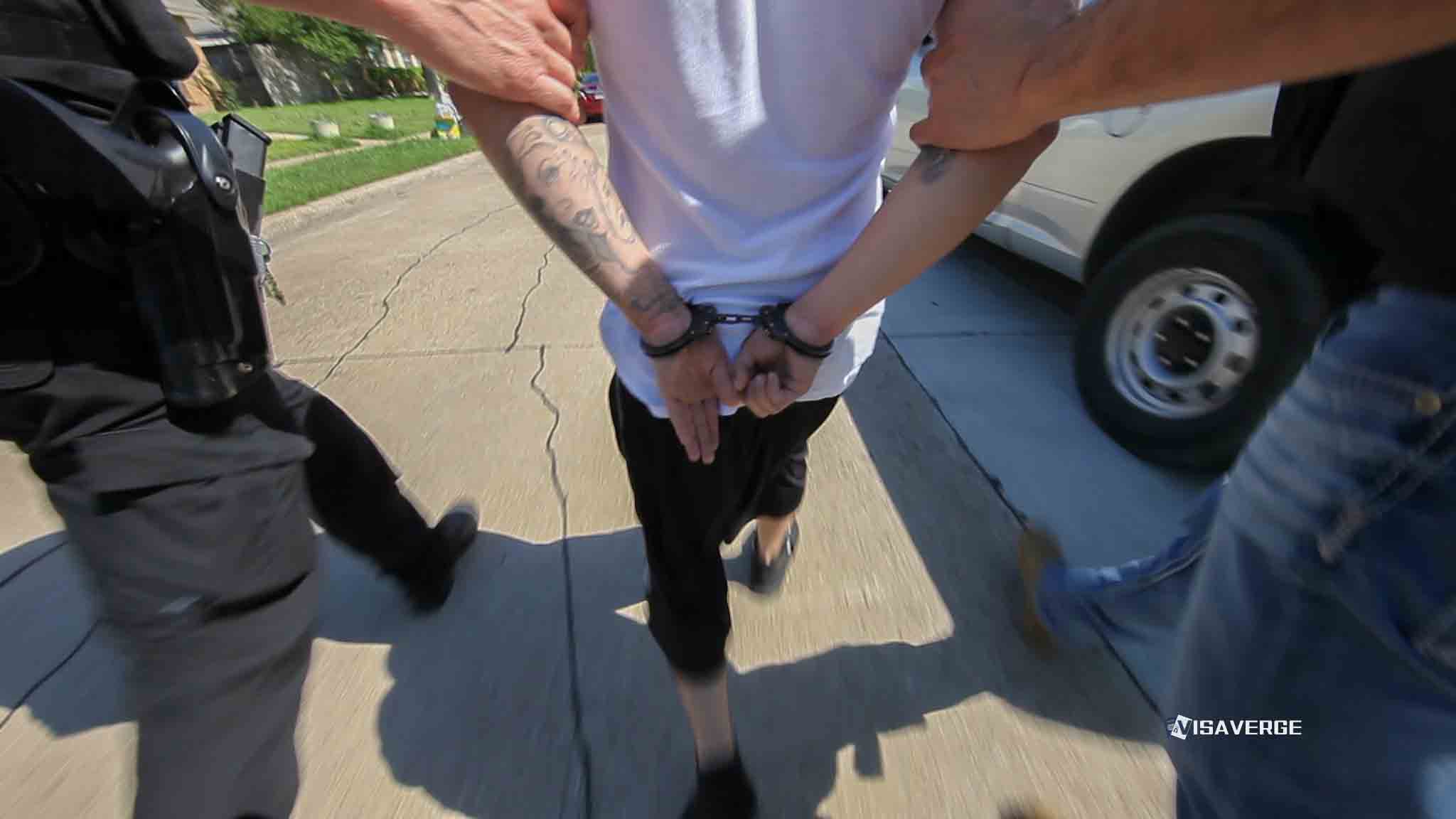
Protesters have highlighted past enforcement drives that led to the separation of parents from children, including situations where U.S.‑citizen children watched a parent handcuffed and taken away. Advocates emphasize that, in practice, large raids can drag in:
- Relatives
- Roommates
- Co‑workers
whose only offense is being undocumented. They worry that Louisiana families who have lived and worked in the state for years—across construction, hospitality, seafood processing, and other industries—could suddenly lose a breadwinner.
Requests for transparency and data
Local leaders are pressing for more detail and transparency as the operation begins. Community groups are asking Border Patrol to provide clear information on:
- How agents will identify targets
- What role local law enforcement will play
- How people can report abuses
They are also urging the federal government to publish data showing:
- How many arrests involve serious criminal convictions
- How many detentions are only for immigration violations
Advocates argue that without such data, official promises about focusing on “dangerous criminals” cannot be independently tested.
Impact on local policing and community trust
The operation revives long‑running debates in Louisiana over cooperation between local police and federal immigration authorities:
- Some sheriffs and police chiefs support close cooperation, saying it helps address gangs and drug trafficking.
- Others worry visible cooperation will further erode trust with immigrant residents, making it harder to solve crimes, find witnesses, or gather information after shootings and robberies.
When people fear any contact with officers could lead to deportation, chiefs say the community becomes less safe overall.
Community response and preparations
Rights groups are responding with emergency information campaigns and practical steps:
- Holding “know your rights” sessions in churches, community centers, and parking lots
- Advising people to carry copies of important documents
- Encouraging plans for who will care for children if a parent is detained
- Teaching what to do if agents knock on the door
Legal aid groups are preparing for a possible spike in calls and pointing residents to government resources on immigration enforcement and civil rights, including guidance from the Department of Homeland Security and the CBP website.
What each side will measure
As Operation Swamp Sweep begins, both sides are bracing for a tense stretch:
- Border Patrol leaders say success will be measured by the number of arrests and removals of people they view as threats.
- Civil‑rights groups say they will track reports of racial profiling, wrongful detentions, and family separations.
For many immigrant households in Louisiana, the coming weeks mean changed routines, fewer trips outside the home, and a steady worry that a routine day at work or school could suddenly end with someone missing.
Key takeaway: The conflict over Operation Swamp Sweep centers on competing claims of public safety versus community fear and civil‑rights risks, with calls for greater transparency and data to evaluate the operation’s true impact.
Operation Swamp Sweep is a two‑month Border Patrol campaign in Louisiana and Mississippi aiming at people lacking lawful status accused of crimes or immigration violations. Federal officials, led by Commander Gregory Bovino, call it a public‑safety effort focusing on dangerous individuals. Community groups and the ACLU warn of racial profiling, wrongful detentions, family separations, and eroded trust in local policing, and they demand transparent data on arrests and the roles of local authorities.