- 01Protesters in Albuquerque clashed with ICE personnel while attempting to block a transport vehicle Friday.
- 02Demonstrators were motivated by the killing of Renee Good by an ICE officer in Minneapolis.
- 03Personnel used physical force, including shoving and arm-twisting, to clear a path for the van.
(ALBUQUERQUE, NEW MEXICO) — demonstrators clashed with ice or facility personnel Friday afternoon outside an ICE detention center housed at a U.S. Department of homeland security homeland security investigations facility on Albuquerque’s south side, after protesters tried to block a vehicle they believed was transporting detained immigrants.
The confrontation unfolded as demonstrators moved into a driveway and then confronted at least one white van, with on-the-ground reporting describing pushing, shoving and arm-twisting as personnel forced a path for the vehicle. At least one protester was knocked to the ground in the brief, chaotic scene.
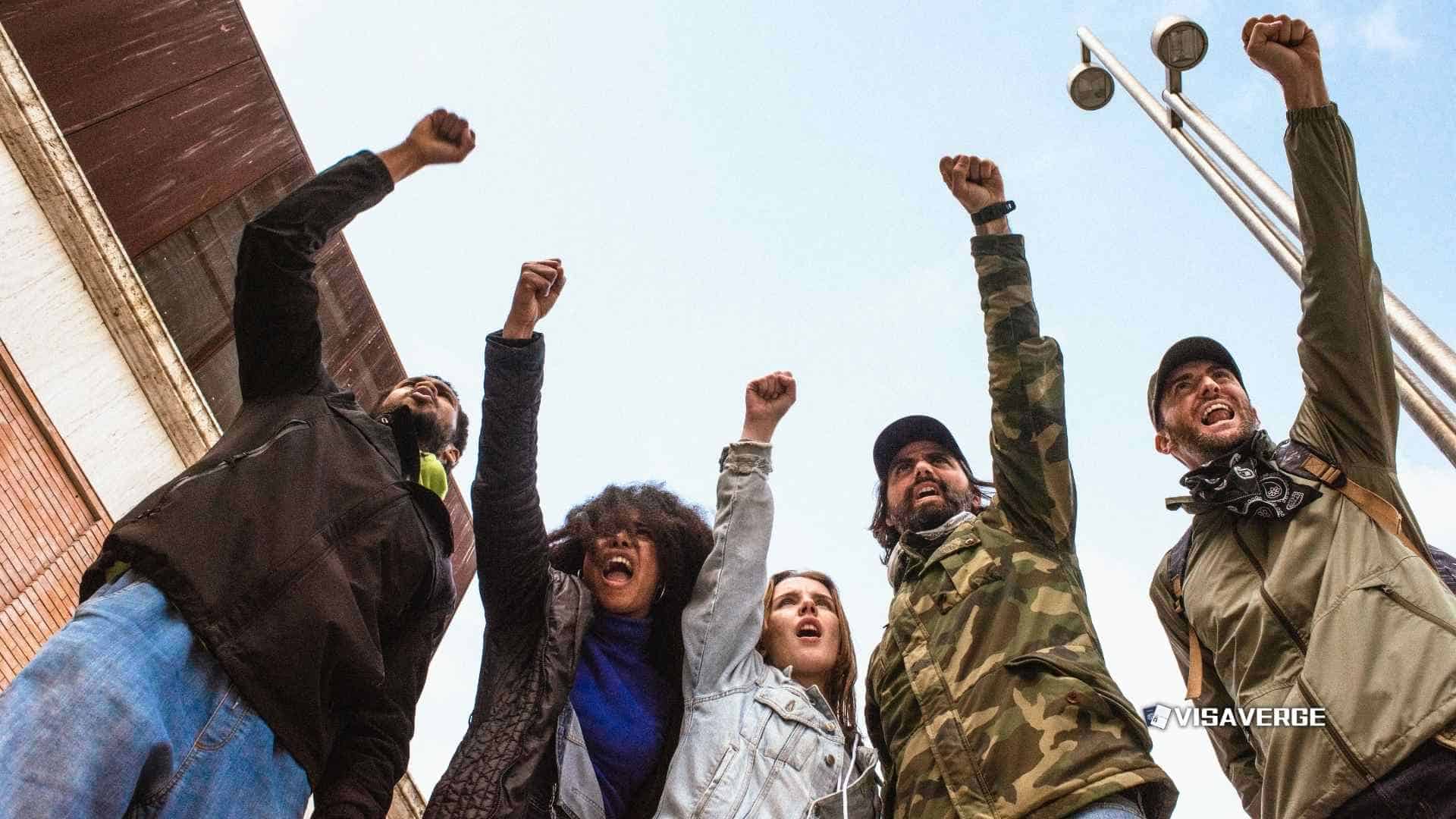
The protest was tied to outrage over the minneapolis killing of 37-year-old Renee Good by an ICE officer, and it also echoed broader demands aimed at immigration enforcement and detention, including calls to abolish ICE and end local immigration detention in New Mexico.
About 20 people took part, gathering friday outside the dhs facility near the airport in south Albuquerque, according to on-the-ground reporting. the group chanted against ice and denounced the Minneapolis killing.
The protest site was described in reporting as the DHS Homeland Security Investigations facility on Albuquerque’s south side, near the airport, and as housing an ICE detention and transfer operation. That characterization has made the location a recurring focal point for demonstrators who want to disrupt or spotlight immigration detention and transport.
Accounts from the scene centered on the driveway and vehicle access. Protesters positioned themselves to block movement in and out of the facility, a tactic that can directly affect transfers involving detained immigrants.
Demonstrators attempted to stop at least one white van that they believed was transporting detained immigrants, on-the-ground reporting said. They stood in front of it and later surrounded it as tensions rose.
Reporter Austin Fisher of Source New Mexico described ICE or facility personnel physically engaging protesters to clear the driveway and free the van to move. Fisher reported that personnel shoved demonstrators, twisted arms, and pushed people away from the vehicle and the driveway.
Photos and accounts from the scene described people screaming and shouting as personnel forced a path, with at least one protester knocked to the ground during the clash. The confrontation was brief but intense, according to those descriptions, and it centered on the protesters’ effort to block the van and the facility’s effort to move it through the crowd.
Whether detained immigrants were inside the van remained an assertion by protesters in the on-the-ground reporting, which described the vehicle as “believed to be transporting detained immigrants.” The identities of the personnel involved were also described generally as ICE or facility personnel.
No serious injuries or arrests were immediately reported from the clash itself, the on-the-ground reporting said. The scene nonetheless raised immediate questions about how facility staff and immigration enforcement personnel respond when demonstrators physically block transport routes.
Separately, a local report noted that two people were detained by ICE during an Albuquerque protest over the Minneapolis shooting. Officials did not immediately clarify whether those detentions were immigration-related or protest-related.
The reporting did not establish whether those two detentions were connected to the specific driveway confrontation at the DHS facility, describing the detention report separately from the clash details. It also did not clarify the timing of the detentions relative to the clash at the south-side facility.
The demonstration’s link to the Minneapolis killing of Renee Good was explicit in the on-the-ground reporting, which said protesters were motivated by the death of Good, described as 37 years old, and by broader immigration enforcement actions. The protest brought those grievances to a federal facility in Albuquerque described as tied to immigration detention and transfers.
Chants during the protest reflected both immediate anger over the Minneapolis shooting and longer-running demands about federal immigration enforcement. Some protesters called for the abolition of ICE, while others called for ending local immigration detention in New Mexico, according to the on-the-ground reporting.
The on-the-ground accounts focused on actions and immediate demands rather than the structure of any organizing group. The reporting described a small crowd, the location, and the moment of escalation when a van and driveway blockade collided with efforts to move vehicles through.
The protest began with people gathering and chanting outside the facility, then moved into a more confrontational posture as demonstrators positioned themselves at the driveway and engaged the van. The sequence culminated in physical contact between protesters and ICE or facility personnel, with a protester knocked down as the van was cleared to pass.
The scene underscored how quickly a small gathering can become physical when demonstrators attempt to stop vehicles at a site described as handling detainee transfers. The reporting described protesters’ bodies as the barrier, with people standing in front of the van and then surrounding it.
Fisher’s account emphasized the physical nature of the response, with personnel shoving protesters and twisting arms to move people away from the van and driveway. The description captured both the intensity of the moment and the uneven clarity of key details, including who exactly the personnel were and what role each played.
The clash also highlighted how protests can be shaped by events far from where they occur. Demonstrators in Albuquerque tied their action to the Minneapolis killing of Renee Good by an ICE officer, linking a death in one city to confrontation at a federal facility in another.
While the reporting described broader immigration enforcement actions as part of the motivation, the details from the scene stayed focused on the facility driveway, the white van, and the physical effort to prevent movement. Protesters’ demands, voiced through chants, centered on ICE itself and on detention in New Mexico.
The DHS Homeland Security Investigations facility’s role, as described in the reporting, placed it at the intersection of investigative operations and immigration detention or transfers. Protesters treated it as an ICE detention center and a transfer point, and targeted the driveway accordingly.
In the moments captured by accounts and photos, the crowd’s noise rose as personnel pushed through, with screaming and shouting described as the van moved. The on-the-ground reporting characterized the confrontation as chaotic, reflecting the crush of bodies around the vehicle and the urgency on both sides.
The absence of immediately reported serious injuries or arrests from the clash itself did not resolve the uncertainties surrounding the separate report that two people were detained by ICE during an Albuquerque protest tied to the Minneapolis shooting. Officials did not immediately clarify whether those detentions were immigration-related or protest-related.
The reporting left open several practical questions that often emerge after such confrontations, including how officials characterize the facility’s detention and transfer functions, how they identify personnel involved, and how they explain decisions to use physical force to clear a route. It also left open questions about the two reported ICE detentions and how officials will describe them.
For protesters, the clash represented a direct attempt to stop what they believed to be an immigrant transport. The on-the-ground reporting described that belief as a key driver of the decision to block the driveway and physically confront the van.
For ICE or facility personnel, as described in the same reporting, the priority was clearing access and moving a vehicle out of the blocked area. The push-and-shove response described by Fisher culminated in the crowd being forced back enough for the van to proceed.
The protest’s demands, as captured in the reporting, pointed beyond the single confrontation. Calls to abolish ICE and to end local immigration detention in New Mexico reflect a larger debate over immigration enforcement and the presence of detention or transfer operations.
The same reporting tied those demands to the death of Renee Good in Minneapolis, a killing that demonstrators cited as a catalyst. Protesters’ chants denounced the shooting and opposed ICE, framing the clash in Albuquerque as part of a wider confrontation over enforcement power and accountability.
What comes next will depend on whether officials provide clarification on the facility’s role and on the separate detentions reported during an Albuquerque protest over the Minneapolis shooting. The on-the-ground account captured the moment the protest turned physical, and the questions left behind were as central as the van that protesters tried to stop.
Demonstrators in Albuquerque engaged in a physical confrontation with ICE personnel after attempting to block a vehicle at a federal facility. The protest was sparked by the death of Renee Good in Minneapolis. While the group demanded the end of local immigration detention, the encounter turned physical as agents forced a path through the crowd. Two people were reportedly detained during the broader protest actions.