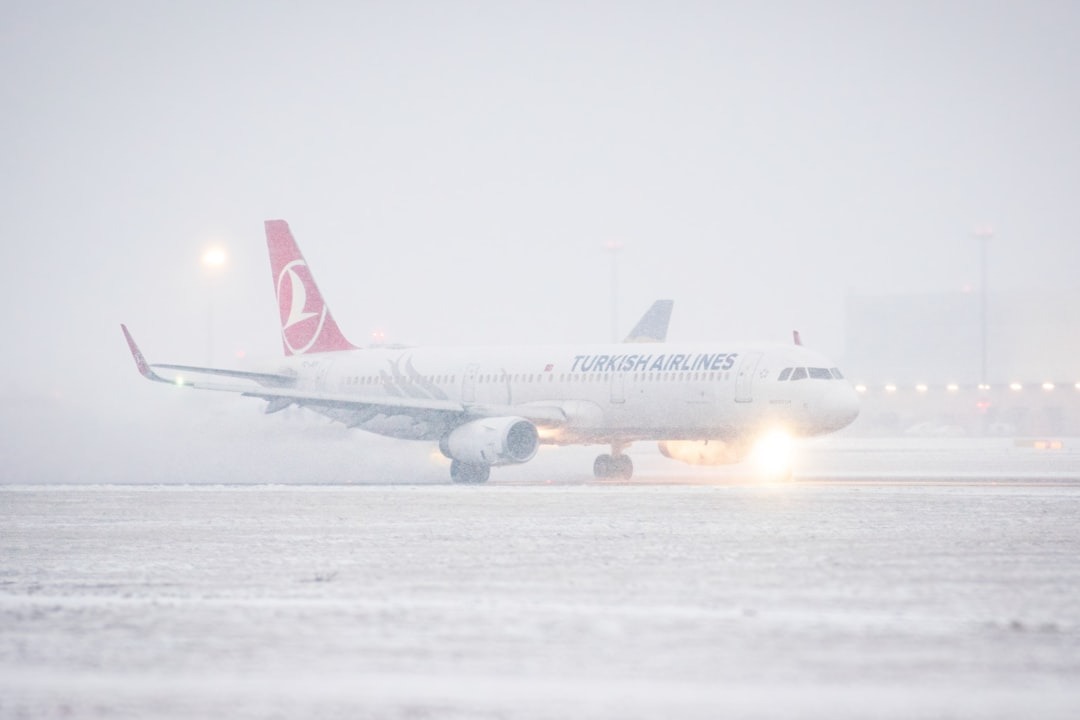
(TORONTO, ONTARIO, CANADA) — A powerful winter storm is hammering holiday travel today, and it’s already triggering mass flight cancellations across the Northeast, Great Lakes, and Ontario. If you’re flying this weekend, expect rolling delays, packed rebooking lines, and limited seat inventory through Saturday.
Airlines have canceled at least 1,500 flights so far, with one widely cited tally as high as 1,865. More than 5,000 additional flights have been delayed. The disruption spans nearly every major carrier, with Delta Air Lines, JetBlue, Republic, and Southwest among the hardest hit.
At Toronto’s Pearson Airport, the impact is especially visible. More than 500 flights have been canceled or delayed, snarling connections for travelers heading to U.S. hubs and onward to Europe and the Caribbean. With Pearson serving as a major transit point, cancellations there can cascade into missed connections well beyond Canada.
Where the storm is hitting hardest
The storm is pushing heavy snow, freezing rain, and dangerous wind-driven conditions across the Great Lakes into upstate New York and the broader Northeast. Forecasters have warned of whiteout conditions in parts of the region.
That combination matters for flying because it can:
– Shut down runway arrival rates
– Trigger extended de-icing delays
– Force aircraft and crews out of position
Even if your departure airport looks clear, your plane or crew may be coming from an affected city. That’s why travelers are seeing “on-time” mornings turn into afternoon cancellations. This pattern often worsens as the day goes on.
Timing: why Friday is rough, and Saturday may be worse
Disruptions peaked on December 26, with conditions expected to worsen into December 27 as the storm shifts east. This weekend is also a high-volume travel period: many are returning from Christmas trips while others begin New Year’s travel.
That traffic crush means fewer empty seats to absorb rebooked passengers. Once flights cancel, the next available seat may be one or two days out on popular routes.
How airlines compare when things go wrong
When weather melts down, the airline you booked matters less than the schedule depth at your airport. Carriers with more flights per day can usually rebook you faster, while ultra-lean schedules can strand you longer.
Here’s a quick traveler-focused view of what tends to matter during a storm weekend:
| Factor that affects rebooking speed | Airlines with more options | Airlines with fewer options |
|---|---|---|
| Many daily flights on key routes | Delta, Southwest (varies by city) | Smaller carriers with thin schedules |
| Interline rebooking flexibility | Varies by policy and ticket type | Often limited, especially on low fares |
| Hub strength near storm zone | Delta (NYC/BOS region), JetBlue (NYC/BOS) | Depends on whether they serve your city nonstop |
Competitive reality: during major irregular operations, carriers are all constrained by the same air traffic limits and runway conditions. The biggest difference you’ll feel is how quickly each airline can find you a new seat.
What this means for your miles and status
Storm disruptions can quietly change your mileage plans and status progress. If you’re chasing status, canceled flights can cost you segments and spend-based credits. Rebooking may move you onto partner flights or different fare buckets, which could earn less.
Key points to keep in mind:
– Basic Economy risks: These tickets often have tighter change rules. During weather waivers, airlines may still rebook you, but your options can be narrower.
– Partner rebooks can alter earnings: If moved onto a regional operator or a different routing, your mileage credit may post differently. Save boarding passes and receipts.
– Award tickets aren’t immune: If you used points, the airline still has to get you there, but award inventory can be tight and you may be offered longer routings.
If you hold airline co-branded cards, check your benefits. Trip delay coverage can help with meals and hotels when a delay crosses the required threshold. Eligibility varies by card and reason for delay.
⚠️ Heads Up: If you’re rebooked, confirm your frequent flyer number stayed on the reservation. It sometimes drops during agent-driven changes.
What to do right now if you’re flying via Pearson or the U.S. Northeast
Airports and airlines are urging travelers to check status frequently. Weather windows change fast and swift action increases your options.
Do these steps in order:
1. Check your inbound aircraft in your airline’s app. If it’s stuck in the storm zone, your flight is at risk.
2. Rebook before you’re forced. If your airline has a weather waiver, grab a new flight as soon as you see trouble.
3. Aim for the first flight of the day. Morning departures tend to operate before delays compound.
4. Consider alternate airports. In the Toronto area, check Hamilton or Ottawa if you can get there safely. In New York, compare JFK, LGA, and EWR.
5. Protect tight connections. If your layover is under 60–75 minutes in a storm corridor, change it now.
For travelers returning to work Monday, the risk isn’t just today’s cancellations — it’s the aftershock. Aircraft and crews displaced Friday can ripple into Saturday and even Sunday schedules.
The most practical move: if your itinerary touches Toronto’s Pearson Airport or the Great Lakes–Northeast corridor on December 27, lock in a backup routing tonight, even if it’s less convenient than your original plan.
A severe winter storm is causing significant travel disruptions across North America, specifically impacting Ontario and the U.S. Northeast. With over 1,800 cancellations and thousands of delays, Toronto Pearson Airport and major U.S. carriers are struggling to maintain schedules. Experts advise travelers to act proactively by checking inbound flight statuses, utilizing airline waivers immediately, and seeking early morning departures to minimize the risk of being stranded during this high-volume holiday period.