- Minneapolis police arrested 29 people during overnight protests following an unlawful assembly declaration downtown.
- Demonstrators targeted hotels where ICE agents were believed to be staying after a fatal shooting.
- Authorities reported property damage and minor injuries to one officer during the large-scale demonstration.
MINNEAPOLIS, MINNESOTA — minneapolis police arrested 29 people during overnight protests outside downtown hotels where ice agents were believed to be staying, declaring an unlawful assembly and issuing dispersal orders before moving in to break up what they described as a large crowd.
Minneapolis Police Chief Brian O’Hara said protesters began with what he described as a largely peaceful “noise protest,” but the situation shifted as some people caused property damage that included broken windows and graffiti at the Depot Renaissance Hotel.
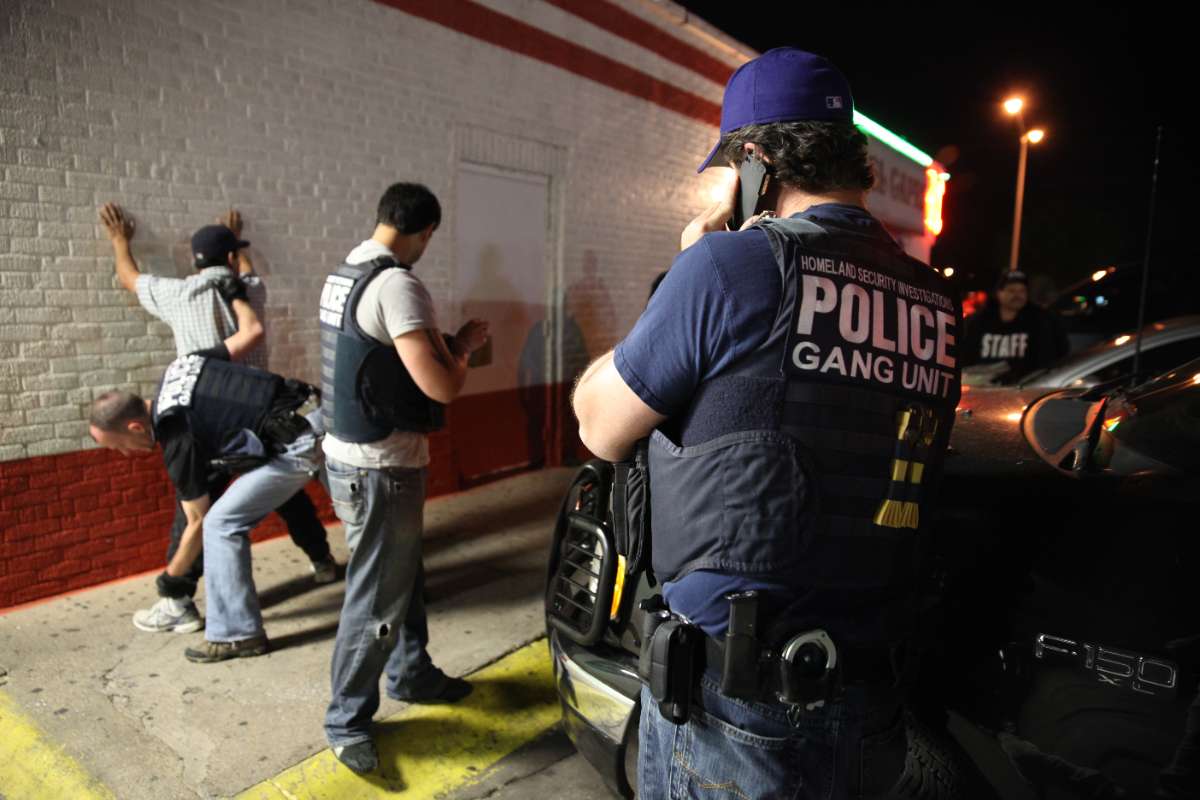
Police declared the gathering an unlawful assembly at around 10:15 p.m., authorities said, and issued multiple orders for demonstrators to leave before officers moved to disperse the crowd.
O’Hara said police estimated the crowd at well over 1,000 people as the protest activity unfolded in downtown Minneapolis, with the Canopy by Hilton and the Depot Renaissance Hotel serving as focal points.
The overnight demonstrations grew out of anger after the fatal shooting of 37-year-old Renee Good, a mother of three, by an ICE agent in Minneapolis earlier in the week, as reported. The episode drew wider attention to immigration enforcement in the city and intensified scrutiny of federal operations.
protesters gathered outside hotels where ice agents were believed to be staying, a connection that drove the choice of location but was described in terms of what was believed rather than confirmed publicly in the information released by local authorities.
Movement between the Canopy by Hilton and the Depot Renaissance Hotel shaped the police response, as officers sought to keep access open and address crowd activity in multiple downtown locations. The shifting focus also affected traffic and public access in the surrounding area as police issued dispersal orders and tried to move demonstrators away.
Property damage reported at the Depot Renaissance Hotel included broken windows and graffiti, O’Hara said, with about $6,000 in damage. The damage details mattered because police linked enforcement decisions and the escalation of the response to conduct they said put public safety and property at risk.
City leaders and police have often treated damage allegations as central to how demonstrations are policed, and the overnight response followed that pattern as officers paired dispersal orders with warnings and then arrests once they said the crowd did not leave.
Police reported 29 people were arrested in connection with the protest activity as it stretched late Friday night into early Saturday morning. The figure was echoed by media outlets that tracked the unfolding events downtown.
“about 29 arrests after an unlawful assembly was declared,”
— CBC News
“29 people were arrested friday after protesting at a hotel in downtown Minneapolis.”
— Minnesota Public Radio
Those accounts aligned with the police figure while describing the same sequence of declaration, dispersal efforts, and arrests.
Separately, the City of Minneapolis stated that 30 people were detained, cited and released for blocking roadways and damaging property during the same downtown march. The city’s description distinguished its tally from the arrest count reported by police and confirmed by news outlets, underscoring that some people were processed through detention and citations without being booked as arrests in the public totals provided.
Police and city officials pointed to conduct including blocking roadways and damaging property as reasons for enforcement, linking those behaviors to the dispersal decision and to the arrests and detentions that followed. Officials did not provide final charging details in the information released, leaving the public tallies as a snapshot of the overnight operation rather than a complete accounting of case outcomes.
One Minneapolis police officer sustained minor injuries after being struck by snow or ice thrown from the crowd, authorities said. The officer did not require medical attention, police said, and the injury was described as limited even as police emphasized it as part of the public-safety picture surrounding the protest response.
Around 200 officers from the Minneapolis Police Department, Minnesota State Patrol, and Minnesota Department of Natural Resources assisted with the overnight operation, authorities said. The multi-agency presence reflected how Minneapolis and state authorities organized staffing and crowd-control resources as the protest moved between locations.
Mayor Jacob Frey urged demonstrators to remain peaceful and warned that arrests would follow conduct that endangered others or damaged property.
“If anyone causes property damage or puts others in danger, they will be arrested. We are standing up to Donald Trump’s chaos not with our own brand of chaos, but with care and unity,”
The protests unfolded as Minneapolis became a focal point for demonstrations tied to immigration enforcement and the death of Good, whose shooting earlier in the week by an ICE agent was the immediate catalyst cited in accounts of the unrest. Officials framed the overnight response as an effort to balance the right to protest with crowd-management decisions that escalated once police said property damage and roadway blockages occurred.
In the days ahead, attention is likely to center on how arrests and detentions translate into formal charges, whether investigators attribute additional damage beyond what was reported at the Depot Renaissance Hotel, and whether city leaders and police provide further briefings as downtown demonstrations continue to draw crowds to sites tied to the federal presence.
Minneapolis authorities arrested 29 protesters and detained 30 others during overnight demonstrations sparked by the death of Renee Good. The protest targeted hotels housing ICE agents, resulting in roughly $6,000 in property damage. Despite Mayor Jacob Frey’s calls for peaceful assembly, police declared the gathering unlawful after reports of broken windows and graffiti. Multi-agency coordination involving 200 officers was used to manage the crowd of 1,000 people.