- President Trump effectively cut off Anthropic from government work by labeling the AI firm a supply chain risk.
- The move creates uncertainty for global AI talent regarding hiring stability and long-term visa sponsorship appetite.
- A reported Pentagon blacklist could push top researchers toward international markets like Canada, the UK, or Europe.
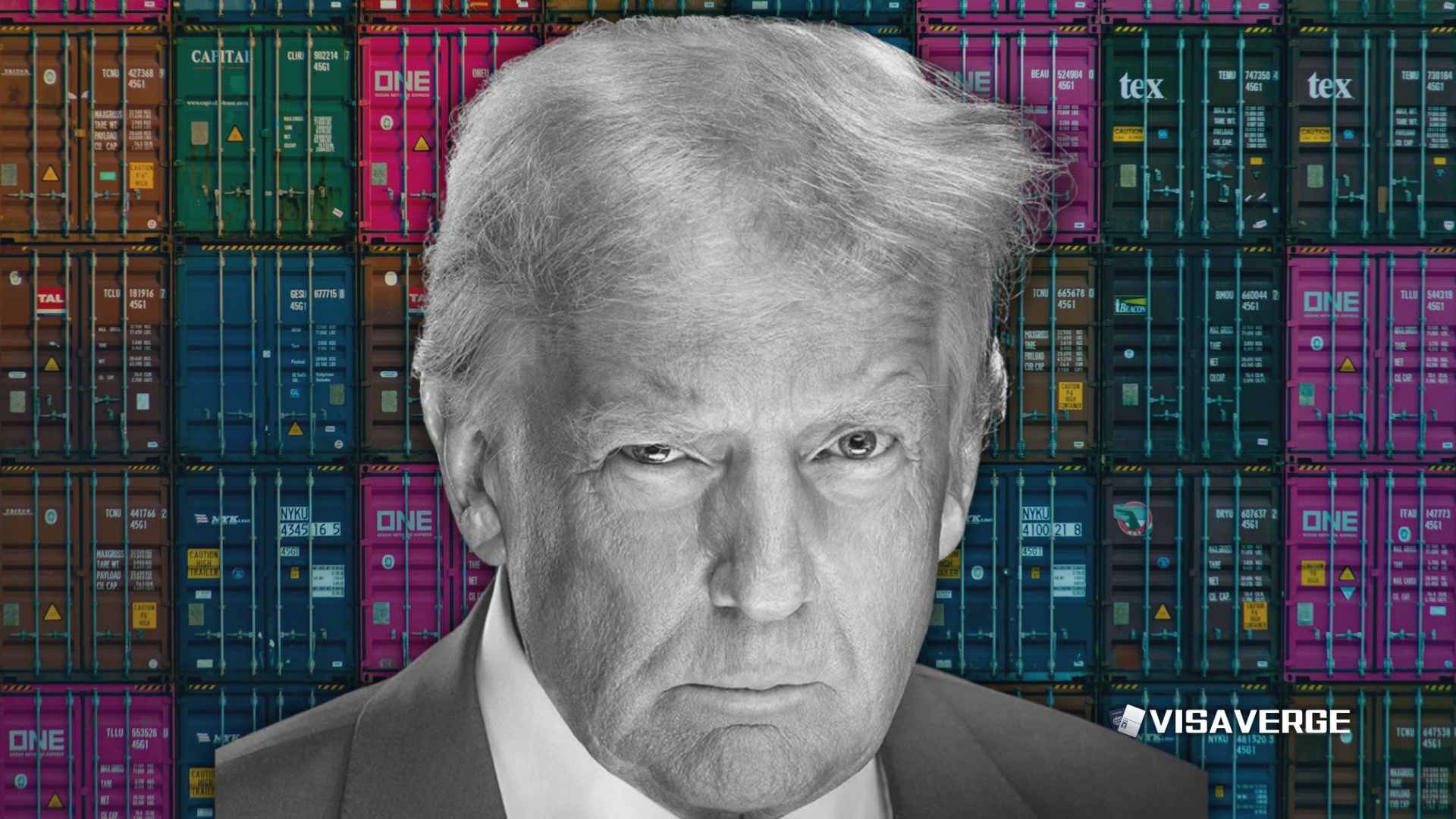
(UNITED STATES) — President Donald Trump said on March 5, 2026, that he had effectively cut off Anthropic from government work as the Pentagon formally labeled the AI company a “supply chain risk,” a move that reportedly blocks government contractors from using the company’s technology.
Major outlets also reported that talks between Anthropic and the Department of Defense had resumed the same day, leaving unclear how durable the reported restriction will be for one of the country’s most closely watched AI firms.
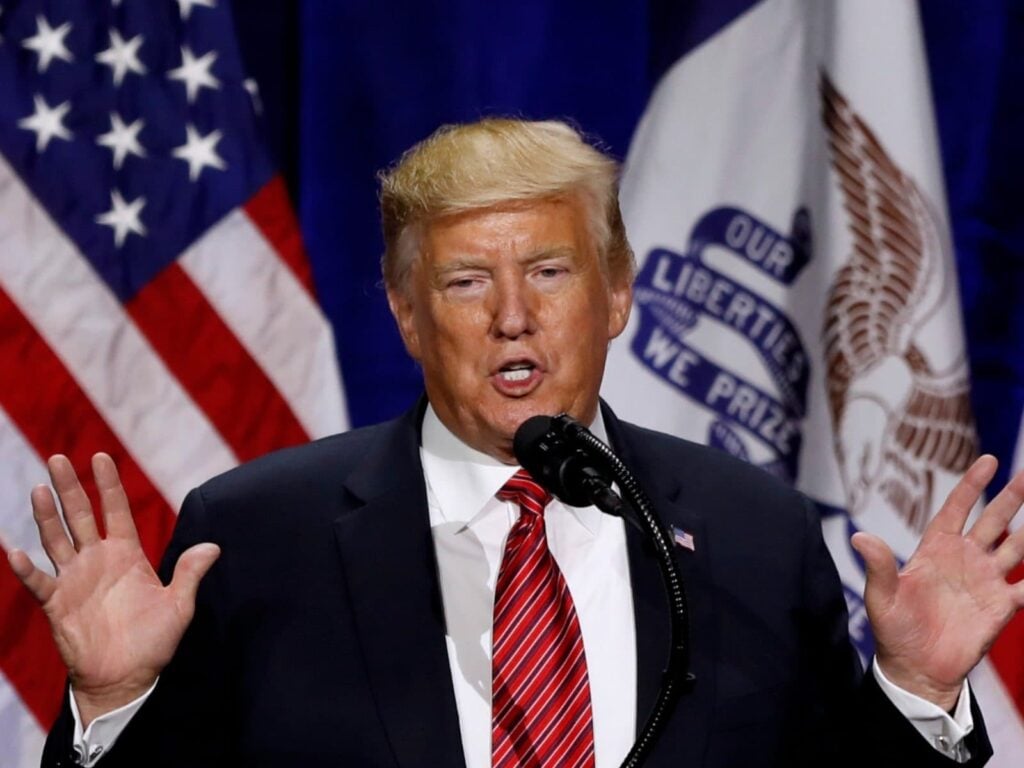
The reported Pentagon action, often described as an Anthropic Blacklist, matters far beyond defense procurement because federal risk labels can shape private-sector partnerships, customer confidence and hiring plans in a labor market that depends heavily on globally mobile AI talent.
Washington’s use of a “supply chain risk” label can function as a procurement brake even outside direct contracting, because vendors and customers often treat federal compliance signals as a cue to reassess exposure, security posture and downstream obligations.
That kind of reassessment can filter quickly into staffing decisions, especially in frontier AI where employers weigh not only compensation and research output but also customer concentration, regulatory scrutiny and reputational spillover. Hiring confidence can change even when immigration rules do not.
The Guardian reported that the administration moved against Anthropic after the company resisted a proposed arrangement involving concerns around domestic surveillance and autonomous weapons use. The Pentagon’s restriction came the same day reports surfaced that defense discussions with the company had restarted.
Anthropic’s products are also reported to be integrated into Palantir’s Maven system, which has become an important military intelligence platform, tying the company’s commercial footprint to a national security context that many employers and investors watch closely.
Leading AI firms typically build workforces through a mix of U.S. citizens, permanent residents, F-1 graduates on OPT and STEM OPT, H-1B professionals, O-1 researchers, and foreign nationals recruited from top universities and research labs around the world. A sudden contracting shock can therefore ripple into high-skilled immigration decisions indirectly, through hiring, sponsorship appetite and research planning.
Non-defense employers also track federal signals because of compliance culture, downstream customer pressure and reputational concerns. Even companies with no Pentagon work can face questions from customers, auditors or partners about how a “supply chain risk” label could affect shared systems, vendor policies or platform access.
For immigration watchers, the immediate issue is not whether any visa category changed. The question is how quickly an employer’s risk calculus can shift for roles often filled by international graduates and sponsored workers, and how that shift can tighten or loosen the job market for AI specialists.
In the AI sector, employer confidence often drives whether companies initiate or sustain sponsorship for H-1B and O-1 roles, and whether they start long-term employment-based green card processes that require timelines, legal budgets and organizational stability.
International students choosing between the United States, Canada, the United Kingdom, and Europe also watch predictability in the study-to-work pathway, including whether cutting-edge employers can still scale, hire and commercialize research without abrupt political retaliation. Those perceptions can influence where applicants enroll and which employers they target during OPT and STEM OPT.
Several downstream questions emerge when top AI companies face sudden government restrictions, as outlined in the debate around Anthropic.
First, hiring pipelines may become less stable. If federal policy makes it riskier for certain firms to win contracts or maintain strategic partnerships, that can affect headcount planning, compensation, and long-term research hiring.
Second, top global talent may diversify away from the U.S. Researchers and engineers who can work in London, Toronto, Paris, Singapore, or remotely may think twice if the American policy climate appears volatile.
Third, startup formation could shift. Founders with international backgrounds may decide to incorporate, hire, or expand outside the United States if they believe government pressure can reshape entire business models without a clear regulatory process.
Such labor-market shifts can matter to immigration outcomes because high-skilled immigration flows often follow jobs, not the other way around. When employers feel uncertain about market access or procurement restrictions, they can slow offers, narrow roles or delay long-term sponsorship decisions even while continuing core research.
For F-1 students in AI and machine learning, job-market risk can show up quickly in recruiting cycles. Students often choose degree programs based on likely employer demand after graduation, and they track which firms appear positioned to keep hiring as regulatory signals shift.
For H-1B professionals, stability can weigh as heavily as prestige, because work authorization ties them to sustained employment and compliant sponsorship. In this environment, sponsored workers may pay closer attention to whether employers maintain payroll continuity, legal infrastructure and the business certainty needed for extension filings or green card sponsorship.
The same risk calculus can shape how AI job seekers evaluate offers, including whether a role depends on a narrow set of customers or on sensitive lines of work likely to trigger heightened compliance scrutiny. Employers that can credibly reassure recruits about immigration support, cross-border mobility and longer-term research funding can gain an edge in recruiting.
The Guardian reported that Trump said he had fired Anthropic “like dogs,” while the Pentagon officially informed the company that it and its products were considered a supply chain risk. The report also said this label had not previously been used against a U.S. company in this way.
Bloomberg and the Financial Times reported renewed negotiations between Anthropic leadership and Pentagon officials over military AI use and the status of their relationship, adding to the sense of a fast-moving and potentially fluid standoff.
Anthropic CEO Dario Amodei also issued a statement apologizing for the tone of an internal message that had leaked to the press, saying it did not reflect his careful or considered views and was already outdated by the time it became public.
The Guardian further reported that the conflict could threaten Anthropic’s recent financing momentum, while Microsoft said Anthropic products could still remain available to non-defense customers through certain platforms.
Taken together, the reports underscored how a single procurement and security characterization can spill into broader commercial concerns, including access to platforms, partner decisions and customer comfort. That spillover can matter for the immigration ecosystem because hiring and sponsorship often track revenue confidence and project continuity.
Even without any change in visa law, job-market volatility can rise when employers slow hiring, pause teams or revisit strategic roadmaps. For OPT and STEM OPT participants, exposure can be acute because early-career roles often sit in fast-changing product groups that can face project cancellations, compliance reviews or funding shifts.
Sponsored workers can also see employers raise the bar on internal process and compliance maturity, focusing on stable revenue, diversified customers and lower sensitivity to political swings. Those preferences can shape which teams grow, which roles open and which candidates get sponsorship support.
In O-1 and employment-based green card planning, timelines and employer appetite often matter as much as candidate strength. If an employer hesitates, paperwork can slow, and long-range workforce planning can become more cautious even as demand for AI skills remains high.
Universities sit at the center of the AI talent pipeline and can feel downstream effects quickly. Graduate programs in computer science, robotics, and applied mathematics rely heavily on international enrollment, and research labs often connect directly to industry internships, research assistantships and recruiting pipelines.
If prospective students begin to perceive that the U.S. political environment is becoming more punitive or unstable for advanced technology companies, universities can face a harder pitch to top global applicants weighing cost and the likelihood of a smooth transition into U.S. employment after graduation.
The competitive comparison can extend beyond the U.S. study-to-work route, because other destinations market predictability as a feature. Canada’s post-graduation work model, the U.K.’s Graduate Route, and Europe’s growing efforts to attract AI researchers and startup founders can look more straightforward when U.S. policy signals appear volatile.
A policy dispute involving one company will not decide that competition on its own. But high-profile incidents can shape perception, and perception can influence enrollment decisions that affect the long-run supply of AI talent available to U.S. employers.
From an immigration and workforce standpoint, the broader question is whether the U.S. can remain both the world’s top destination for talent and a stable place to commercialize sensitive technologies.
Public friction between Washington and frontier AI firms can register in the talent market as a signal about regulatory clarity, market access and the durability of partnerships. When candidates and founders perceive uncertainty, they may hedge by pursuing distributed research careers, joining teams abroad or building companies outside the United States.
Such shifts do not require an immediate exodus to matter. They can accumulate as more advanced work happens outside U.S. regulatory reach, and as startup ecosystems deepen abroad, drawing in researchers and engineers who might otherwise have anchored careers in the United States.
For readers focused on immigration outcomes in 2026, the reported Pentagon blacklist of Anthropic alongside signs of renewed negotiations illustrates how quickly the operating environment can change for companies at the intersection of AI, national security and federal policy.
That swing can shape immigration indirectly through hiring confidence, research freedom, compliance burdens and geopolitical risk, rather than through formal visa announcements. What many workers and students will watch next is how employers respond in sponsorship behavior, recruiting patterns and research partnerships as the Anthropic dispute continues to unfold.