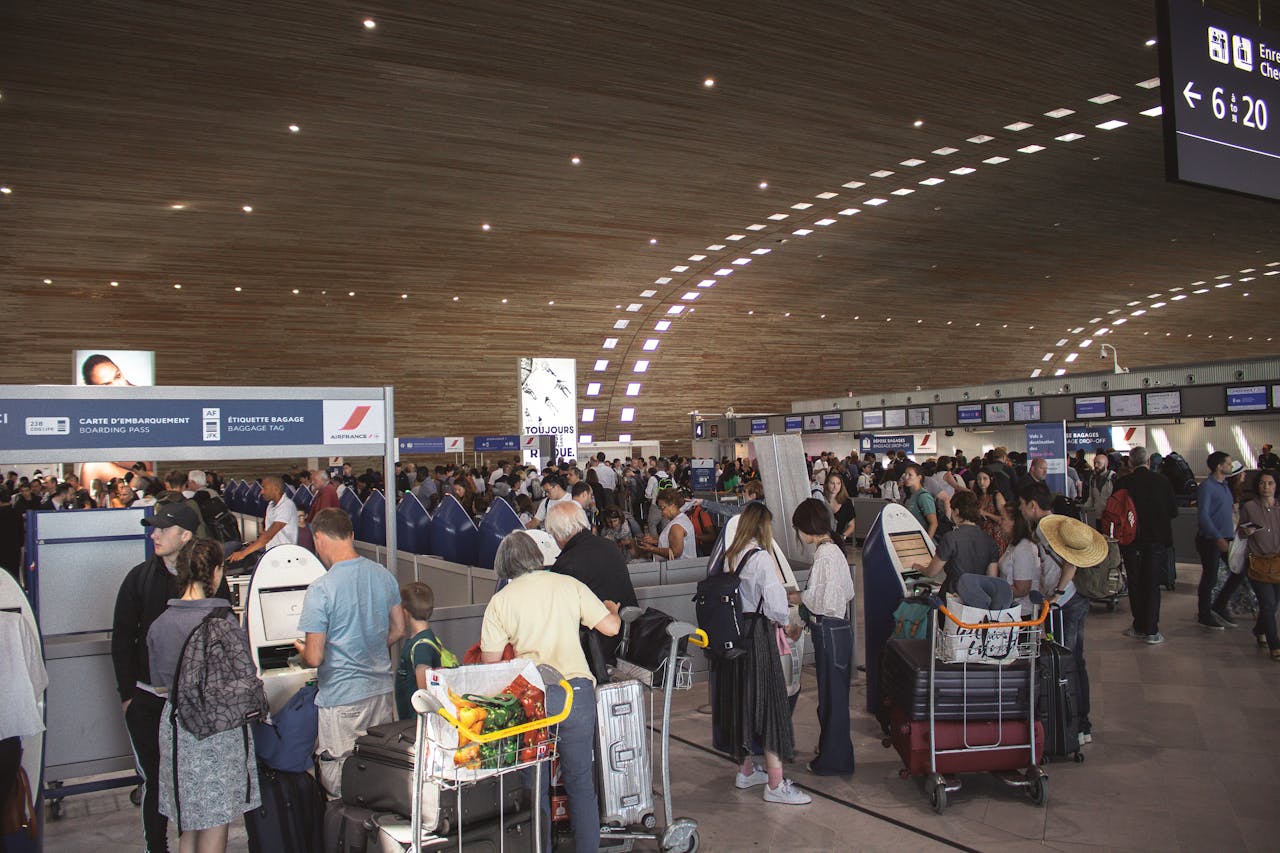
(PARIS, FRANCE) — France’s civil aviation authority ordered airlines to cut flights on Wednesday after Paris snow and extreme cold triggered about 140 flight cancellations at the capital’s two main airports, Transport Minister Philippe Tabarot said.
Summary of the disruption
Roughly 100 flights were canceled at Charles de Gaulle (Roissy-CDG) and 40 at Orly, with most disruptions concentrated in the morning after snowfall and de-icing needs. Airport operations were expected to remain strained beyond the initial cancellation windows because of knock-on delays, including aircraft and crew rotation issues, as the weather slowed runway clearing and ground handling.
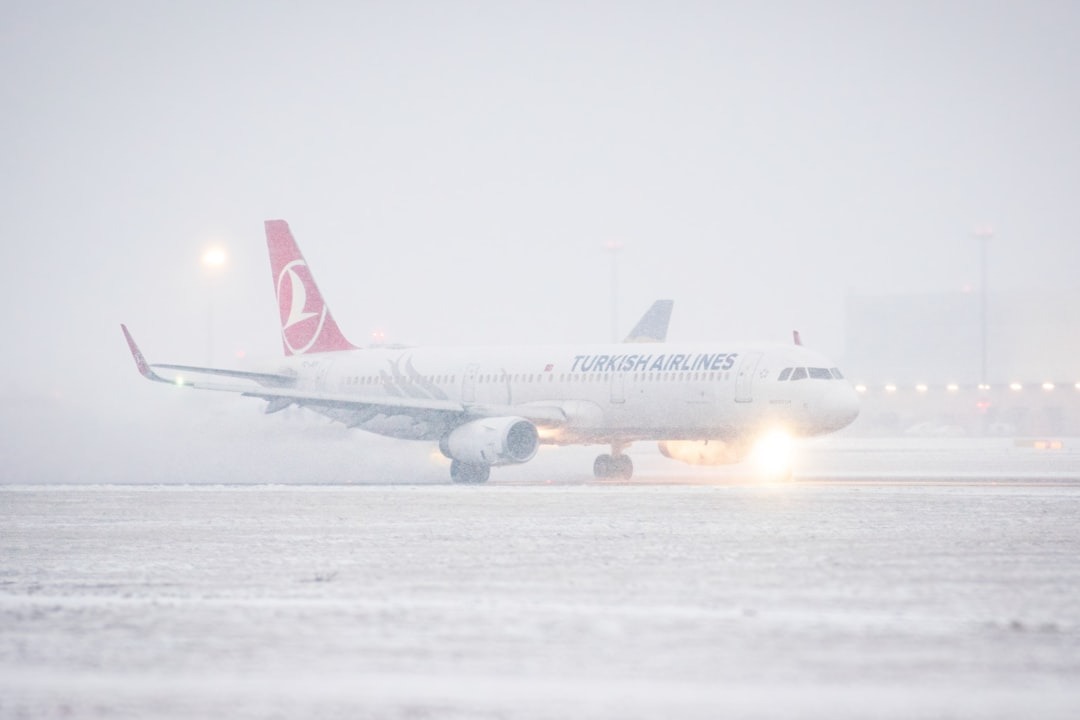
Key point: The DGAC asked carriers to reduce operations so snow-removal teams could work and ground crews could de-ice aircraft safely.
Flight cancellations and reduction orders
The cancellations followed late forecasts on January 6, after which the DGAC (General Directorate of Civil Aviation) asked carriers to reduce operations to permit safe runway and aircraft handling.
- At Charles de Gaulle: morning cancellations occurred as airlines prepared for a larger reduction previously indicated for part of the day — projections indicated 40% of flights cut between 9 a.m. and 2 p.m. Snow accumulation and the time required for de-icing were cited as immediate constraints.
- At Orly: services were reduced by 25% from 6 a.m. to 1 p.m., as ice and snow complicated aircraft turnarounds and slowed movements on taxiways and stands.
- These orders escalated from an earlier 15% cut imposed after snowfall on January 5, showing how successive days of winter weather compound disruption even when airports remain open.
Flight cancellations by airport (Wednesday)
| Airport | Cancellations |
|---|---|
| Charles de Gaulle (Roissy-CDG) | ~100 |
| Orly | ~40 |
| Total | ~140 |
Why the disruptions ripple through the day
De-icing and runway clearing are essential in freezing conditions but also create bottlenecks:
- De-icing can become a repeat requirement if snowfall continues, delaying departures and creating queues.
- Runway clearing requires temporary restrictions as snowplows and sweepers cycle across the airfield, slowing arrivals and departures.
- Even limited cancellations in specific time windows can ripple through the day as inbound aircraft arrive late, outbound flights miss slots, and crews exceed duty-time limits.
At Charles de Gaulle, which handles large, banked waves of international arrivals and departures, a morning reduction can complicate onward connections for hours. Orly — serving many domestic and short-haul routes with fast turnarounds — faces pressure when de-icing queues grow.
Wider transport impacts across Île-de-France
The cold snap disrupted travel beyond airports:
- Authorities suspended all bus services because of icy roads.
- Most metro and suburban rail (RER) lines remained operational, but surface-transport disruptions affected staffing and passenger flows.
- Officials urged people to avoid non-essential travel and to work from home to reduce pressure on transport operating under winter constraints.
Météo-France placed 38 of 96 mainland departments on alert for heavy snow and black ice, with all Île-de-France departments under an orange snow and ice alert.
Forecasters expected 3–7 cm (1–3 inches) of accumulation in Paris and described the weather as a cold snap of “rare intensity for the season,” with temperatures low enough for ice to persist through the morning commute.
Authorities also reported six weather-related deaths in France during this cold spell, highlighting broader public-safety risks as transport networks faced difficult conditions.
Expect ripple effects: a few hours of delays can cascade into later connections. Reconfirm onward flights, allow extra connection time, and be prepared for rebooking or alternative routes.
Regional and cross-border consequences
Paris’s cancellations occurred as Storm Goretti affected a wider swath of Western Europe, increasing strain on cross-border travel:
- Brussels Airport canceled 40 flights.
- Eurostar reported delays between London, Paris, Amsterdam and Brussels.
- High-speed rail also faced weather-related slowdowns, leaving fewer alternatives for travelers rerouting around airport disruption.
Airlines had to adjust schedules quickly, balancing DGAC reduction requirements with aircraft positioning needs while trying to keep long-haul operations moving when possible.
Operational realities and repeated labor-intensive tasks
Officials treated the latest wave as part of a continuing spell rather than an isolated event. Persistent low temperatures force repeated, labor-intensive operations:
- Clearing snow from taxiways and maintaining safe runway friction levels.
- Managing large-scale aircraft de-icing.
- Repeating operations can peak in the morning, when commuter demand and early flight schedules coincide with the iciest conditions.
Transport Minister Tabarot emphasized that measures were intended to keep operations safe during runway clearing, not to shut airports completely. Nevertheless, many passengers were rebooked or delayed.
Traveler experience and outlook
For air travelers, the immediate effect was a wave of cancellations and delays concentrated at France’s busiest hubs, with Charles de Gaulle handling the largest share because of its scale.
Winter ops slow de-icing and taxi movements. Pack light, keep essential documents handy, and monitor official updates from DGAC and your carrier to adapt plans quickly.
- Morning cancellations often leave an uncertain picture for the rest of the day as packed later departures and tighter connections persist.
- Cross-border disruptions in Brussels and Eurostar delays further complicated rerouting plans.
For now, the combination of Paris snow, flight cancellations, and strained surface transport left the capital’s airports and commuters operating in a narrow margin between catching up and experiencing further delays as the cold persisted.
Paris airports faced severe disruptions as 140 flights were canceled due to record cold and snowfall. Authorities ordered capacity cuts at Charles de Gaulle and Orly to facilitate de-icing and runway clearing. The disruption extended to regional bus services and international rail like Eurostar. With 38 departments on alert and six reported deaths, the rare intensity of this cold snap strained European transport networks.