- ICE has stepped up arrests during routine asylum and court appointments in New York City.
- The shift targets all undocumented immigrants regardless of criminal history or compliance status.
- Fear of detention has caused 80% of immigrants to miss required legal appearances.
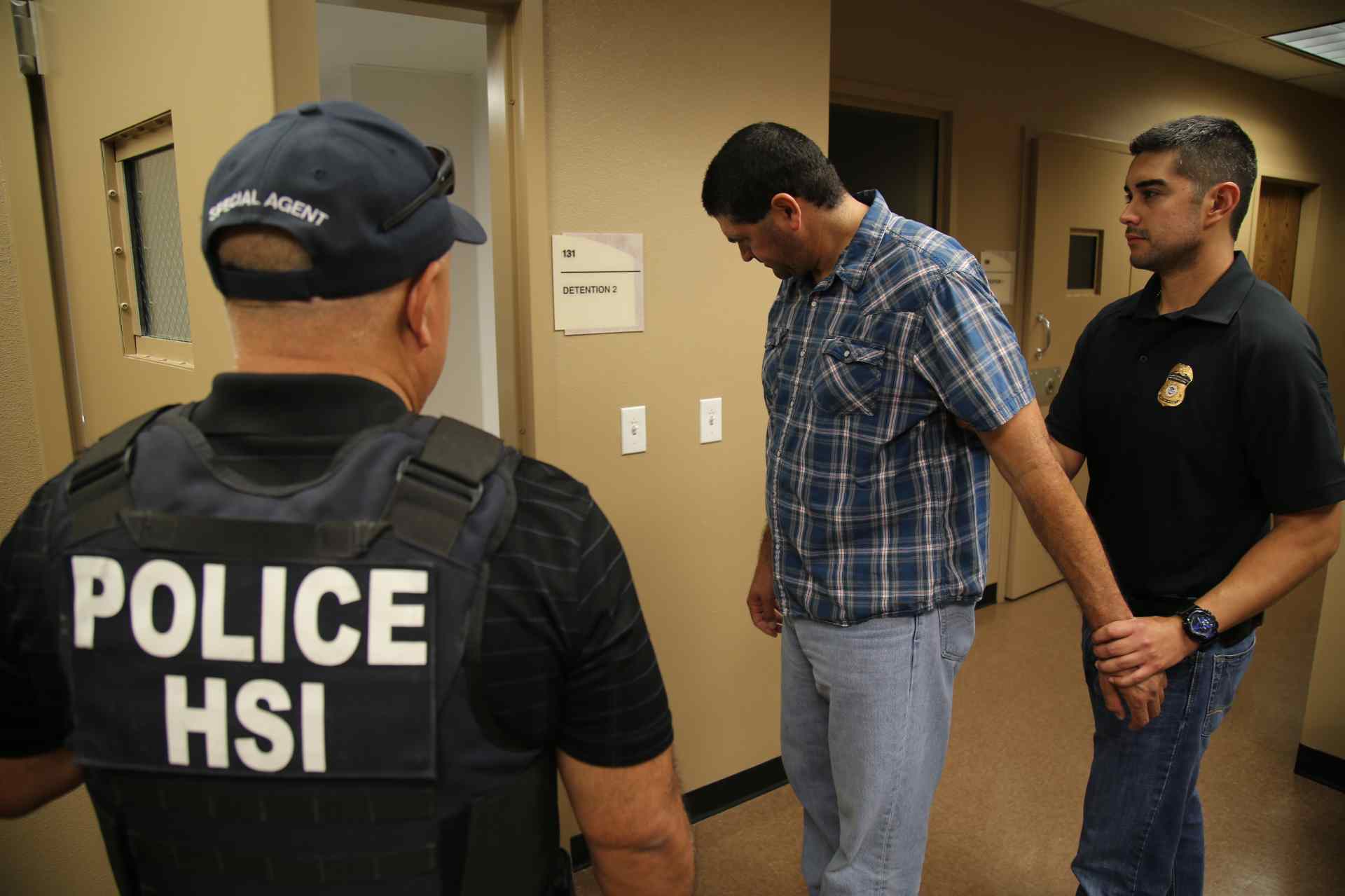
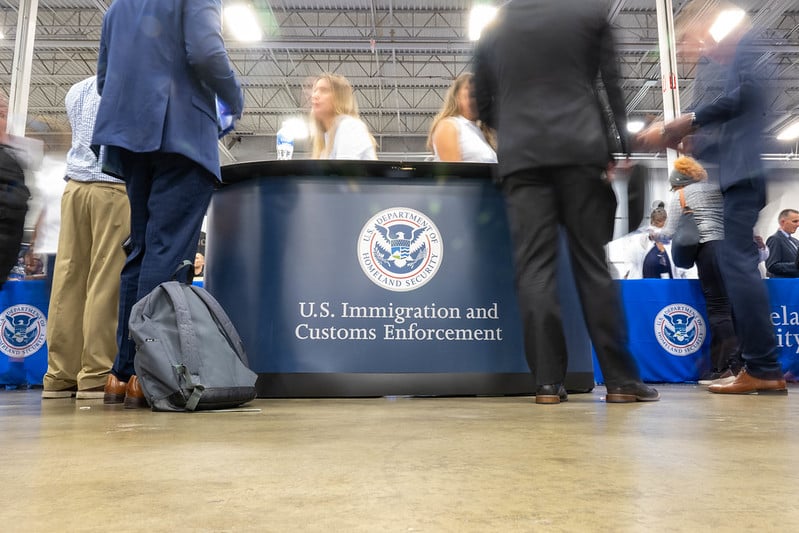
(NEW YORK) — Federal immigration agents have stepped up arrests of asylum-seekers and other immigrants at routine appointments and court-related appearances across New York, a shift the Department of Homeland Security and U.S. Immigration and Customs Enforcement have tied to “Operation Metro Surge” and a crackdown on sanctuary cities.
ICE confirmed the policy shift in statements this month, describing arrests at immigration touchpoints that many immigrants had treated as obligatory steps in their cases. The actions have played out at scheduled asylum appointments, check-ins linked to supervision programs, and appearances at Manhattan’s main immigration court.

New York has become a focal point because of the city’s visibility and long-running political conflict with federal enforcement, and because the arrests can reverberate quickly through immigrant communities and legal networks. Lawyers and advocates say people now weigh the risk of detention against the obligation to appear, a calculation that can reshape court dockets and compliance with federal requirements.
ICE framed the move in public-safety terms in a statement issued January 13, 2026, after the arrest of a New York City Council employee at a routine appointment.
“Criminal illegal aliens are not welcome in the United States. If you come to our country illegally and break our law, we will find you and we will arrest you,” the agency said.
DHS Secretary Kristi Noem echoed that message a day earlier, speaking at a January 12, 2026 press conference about ongoing arrests tied to enforcement activity in New York.
“We’re continuing to do our work to bring those criminal illegal aliens to justice and ICE will continue to get up every day and do what they can to protect New York City,” Noem said.
DHS spokesperson Tricia McLaughlin responded on January 13, 2026, to claims that people taken into custody were low-priority cases, saying many targeted individuals, including those in New York, had “previous arrests for assault” or “no work authorization.” McLaughlin described those factors as part of the rationale for detention in what DHS presented as a public-safety effort.
One case that drew attention unfolded January 12, 2026, at a USCIS office in Bethpage, Long Island, where agents arrested Rafael Andres Rubio Bohorquez during a scheduled asylum appointment. Rubio Bohorquez is a Venezuelan asylum-seeker and New York City Council data analyst.
City officials said Rubio Bohorquez had a clean record and valid work authorization through October 2026, while DHS cited a prior assault arrest and a 2017 visa overstay as grounds for detention. The competing accounts have sharpened questions about how the government defines public-safety priorities and how far “Operation Metro Surge” reaches into the immigration system’s routine processes.
Beyond arrests at USCIS appointments, reports from mid-2025 and early 2026 indicate ICE has used a tactic advocates have described as a “Text Trap,” sending mass text messages to participants in the Alternative to Detention program and asking them to attend “early check-ins.” Those appointments, the reports said, frequently led to immediate arrests when people arrived.
Arrests have also been reported around proceedings at 26 Federal Plaza, the immigration court building in Manhattan where many New Yorkers attend hearings and check-ins tied to their cases. In late 2025, data showed nearly 67% of individuals detained at 26 Federal Plaza had no criminal convictions or pending charges and ICE classified them as “other immigration violators.”
The shift marks a departure from previous enforcement priorities that focused on individuals with serious criminal convictions, according to the account of current directives described by DHS and advocates. Under the current approach described in the material released this month, all undocumented immigrants are considered targets for removal, including those who comply with check-ins or who lack a criminal record.
DHS officials have directly linked New York’s sanctuary status to enforcement focus, including remarks attributed to “Border Czar” Tom Homan. Homan said on November 18, 2025, that New York City would be a primary target for intensified enforcement because of its sanctuary status.
In practice, the approach has turned routine immigration obligations into potential enforcement flashpoints, including appointments many immigrants once treated as safe because they were tied to compliance. Lawyers and advocates say the risk now extends to people attempting to move their cases forward through the system, including asylum-seekers appearing where required.
Advocacy groups have responded with emergency litigation, including emergency habeas corpus petitions filed by the New York Immigration Coalition for people detained at appointments. The group argues the government has failed to follow required arrest procedures, while seeking court intervention to challenge detentions arising from routine appearances.
New York officials have also warned of a growing fear effect, reporting that up to 80% of immigrants are failing to show up for required court dates or check-ins because they fear “sandbagging” or being “kidnapped” by federal agents during hearings. Immigration lawyers and advocates say missed appearances can compound legal jeopardy, even for people who had been trying to comply with supervision and court requirements.
A separate case from late 2025 has circulated among advocates as an example of the stakes for families and employers. Seydou Ouattara, a New York resident, was deported just before Christmas after reporting for a routine check-in, despite having a pending green card petition.
DHS and ICE have directed the public to their official channels for statements and releases related to enforcement actions and immigration processing. The agency pages include the USCIS Newsroom, DHS press releases, and the ICE newsroom.