- Federal authorities officially concluded Operation Metro Surge following intense public backlash and legal scrutiny.
- The operation resulted in over 4,000 arrests while deploying thousands of ICE and CBP officers statewide.
- A federal judge ruled the agency violated 96 court orders during the controversial immigration crackdown.
Federal authorities announced on Thursday that Operation Metro Surge, the immigration crackdown in Minnesota, is ending.
Border czar Tom Homan made the announcement at a news conference in Minneapolis and credited the effort with changing how the state functions in federal enforcement terms. “As a result of our efforts here Minnesota is now less of a sanctuary state for criminals,” Homan said.
“I have proposed and President Trump has concurred, that this surge operation conclude,” he added.
The end of Operation Metro Surge signals a shift away from a concentrated, highly visible deployment posture that drew sustained public backlash across Minnesota. The announcement also leaves routine immigration enforcement in place, even as the surge itself concludes.
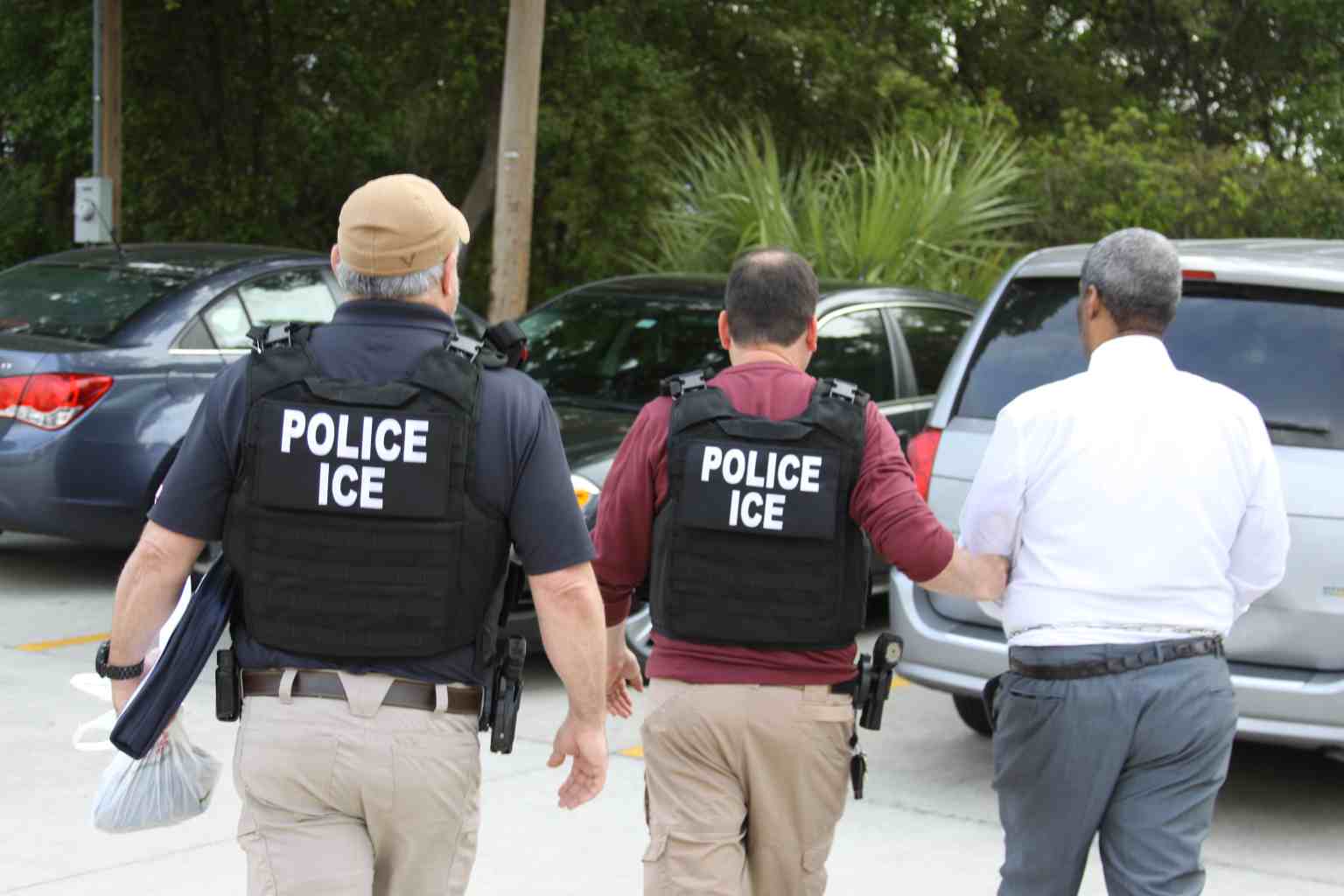
U.S. Immigration and Customs Enforcement launched Operation Metro Surge on December 1, 2025, and initially focused on the Minneapolis-St. Paul metro area. Federal authorities later expanded the activity statewide and carried it out with ICE and Customs and Border Protection.
Federal officials framed the operation as a targeted push against people they described as serious offenders. In public messaging, authorities repeatedly emphasized removals and arrests tied to crime and public safety.
At the same time, the operation quickly became a major flashpoint in Minnesota, where state leaders and local officials criticized the size, tactics and breadth of the enforcement effort. Protests followed as word spread that the crackdown extended beyond the metro area and into communities across the state.
Federal authorities reported over 4,000 arrests and described those detained as “dangerous criminal illegal aliens.” Detentions also included people without criminal records, children, and U.S. citizens, according to reported accounts tied to the operation.
A Department of Justice attorney testified on January 26, 2026, that at least 2,000 ICE officers and 1,000 CBP officers were deployed for the surge. ICE separately claimed 3,000 arrests in Minneapolis alone.
The government described those figures in public testimony, agency statements and briefings that presented the surge as a decisive enforcement push. Critics in Minnesota, including top elected officials, disputed the scope and accuracy of how people were characterized and counted.
Classification language became central to the political and legal fight over Operation Metro Surge, as federal officials emphasized “criminal” labels while opponents pointed to accounts involving residents without criminal histories. Civil liberties concerns also rose as the operation expanded and as community groups and local officials reported more varied impacts than federal messaging suggested.
Backlash against the crackdown included mass protests and sustained criticism of federal tactics and goals. Federal authorities also faced scrutiny after two deaths from fatal shootings by federal agents during the operation, based on reported accounts.
Legal pressure intensified in late January. On January 28, 2026, U.S. District Judge Patrick Schiltz ruled that ICE violated at least 96 court orders in Minnesota since January 1.
The ruling added judicial scrutiny to a crackdown already under pressure from state officials and local leaders, and it raised questions about operational oversight at a time of heightened enforcement activity.
Minnesota Attorney General Keith Ellison criticized the operation in blunt terms as it expanded. On January 12, he called it “in essence, a federal invasion,” and said it caused “serious harm and chaos” through “thousands of poorly trained, aggressive, and armed agents.”
Governor Tim Walz also attacked the crackdown. He described it as an “occupation” and “retribution campaign,” aligning the state’s top leadership against the federal surge as it played out across Minnesota.
Homan became the central federal figure attached to the operation’s late-stage messaging. He assumed control in late January amid backlash, federal authorities said, and he used the Minneapolis news conference to argue the surge made the state less protective of people he described as criminals.
State and city officials described separate conversations with Homan and the White House as the crackdown moved toward a drawdown. In the days before Thursday’s announcement, Walz said he expected the operation to end soon after speaking with Homan and White House Chief of Staff Susie Wiles.
On February 4, Homan withdrew 700 officers, reducing the total to about 2,000, federal authorities said. The reduction marked a clear step away from the surge footprint that had drawn protests and sparked confrontations over enforcement tactics.
Walz said on February 10 that he expected the operation to end “in days, not weeks and months,” after speaking with Homan and Wiles. The remark signaled that state officials anticipated a near-term conclusion even before Thursday’s announcement.
Minneapolis Mayor Jacob Frey described city engagement with federal officials in more measured terms. He reported a “positive meeting” with Homan on Monday, reflecting local efforts to manage the public safety and community fallout as the crackdown unfolded.
Homan’s announcement on Thursday did not describe the end of immigration enforcement activity in Minnesota, and federal authorities framed the conclusion as the wind-down of a specific surge operation. The sequence of recent steps — including the early February withdrawal and the expectation of a near-term end — helped set the stage for the formal declaration that Operation Metro Surge is ending.
For Minnesota communities, the end of Operation Metro Surge closes a period defined by intensified ICE activity, expanded federal presence and a broadening geographic footprint that moved beyond the Minneapolis-St. Paul metro into statewide operations. The crackdown also left behind unresolved disputes over who was swept up, how detainees were classified, and how federal agencies complied with court orders during the surge.