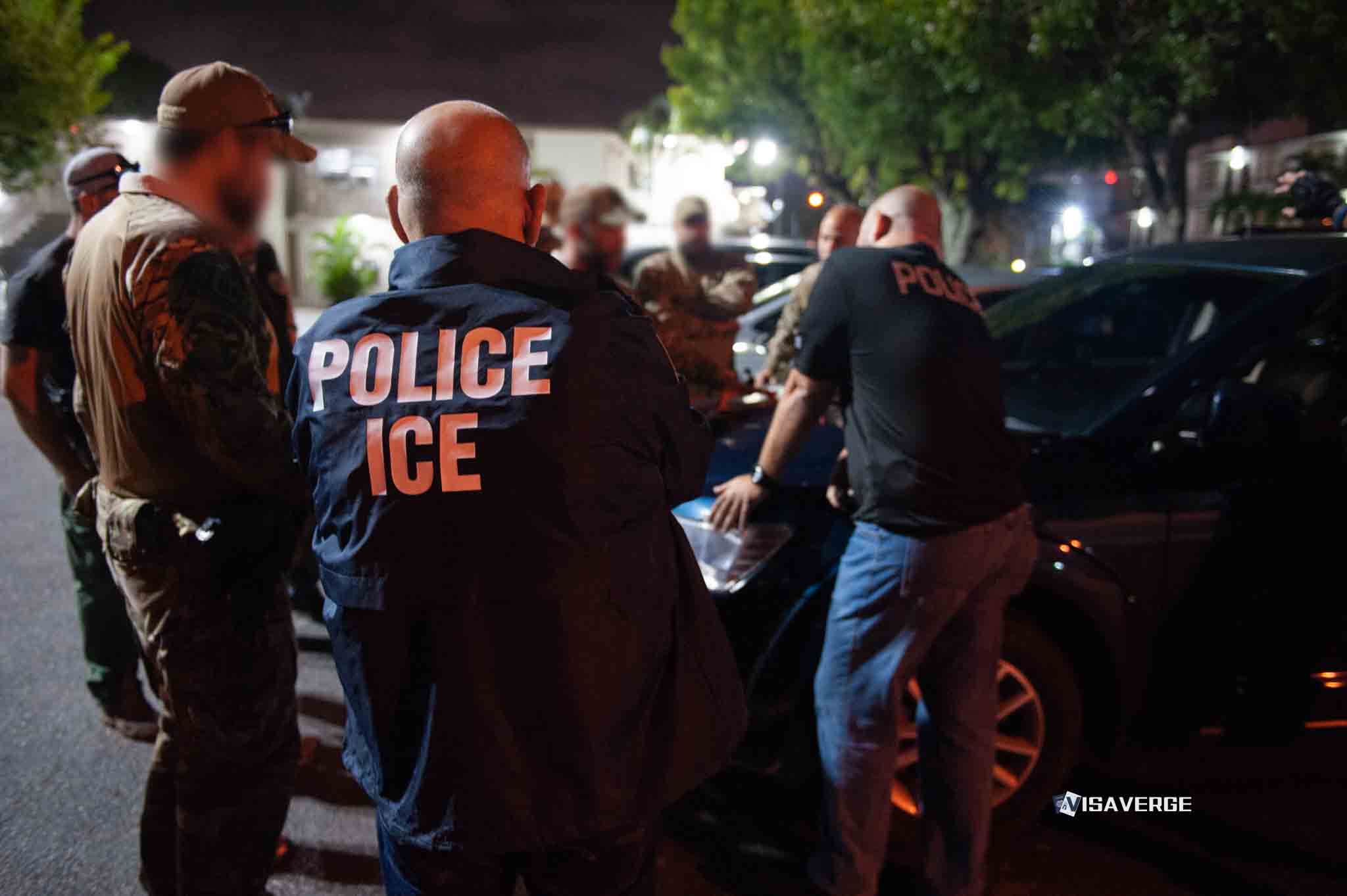
(MINNESOTA) — Federal officials filed sworn affidavits in court confirming that Operation Metro Surge, a major immigration enforcement push in Minnesota, is drawing down sharply by the end of the week of February 25, 2026, as judges weigh allegations including racial profiling and warrantless arrests.
The filings in Tincher v. Noem describe a peak presence of more than 4,000 federal personnel in the state during the operation and project that a little more than 400 Enforcement and Removal Operations officers and Homeland Security Investigators will remain after the drawdown.
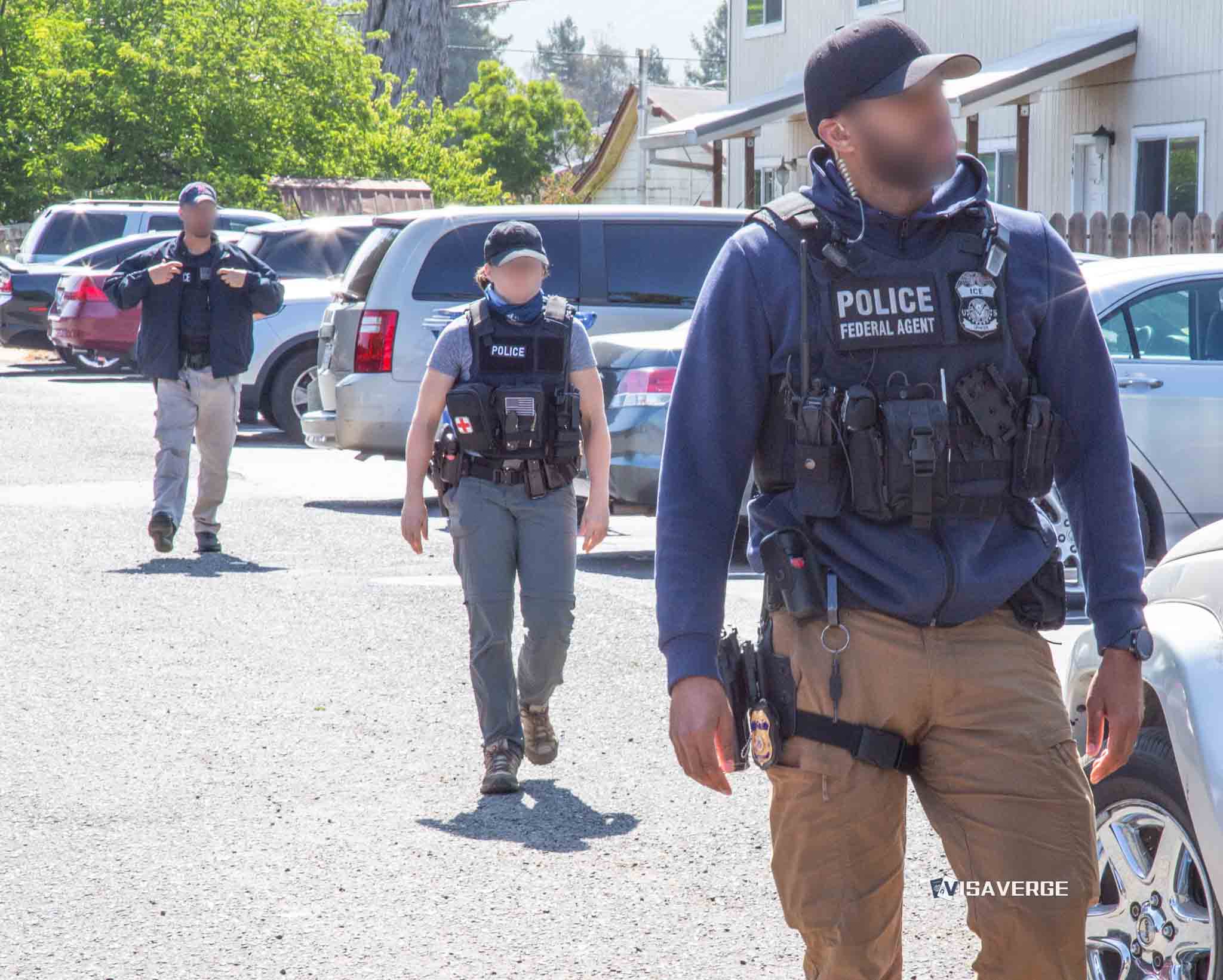
U.S. District Court Judge Eric Tostrud requested the affidavits as he evaluates civil-rights claims brought by the ACLU of Minnesota, putting the operational pullback on the record while the court considers what, if anything, must change while the case proceeds.
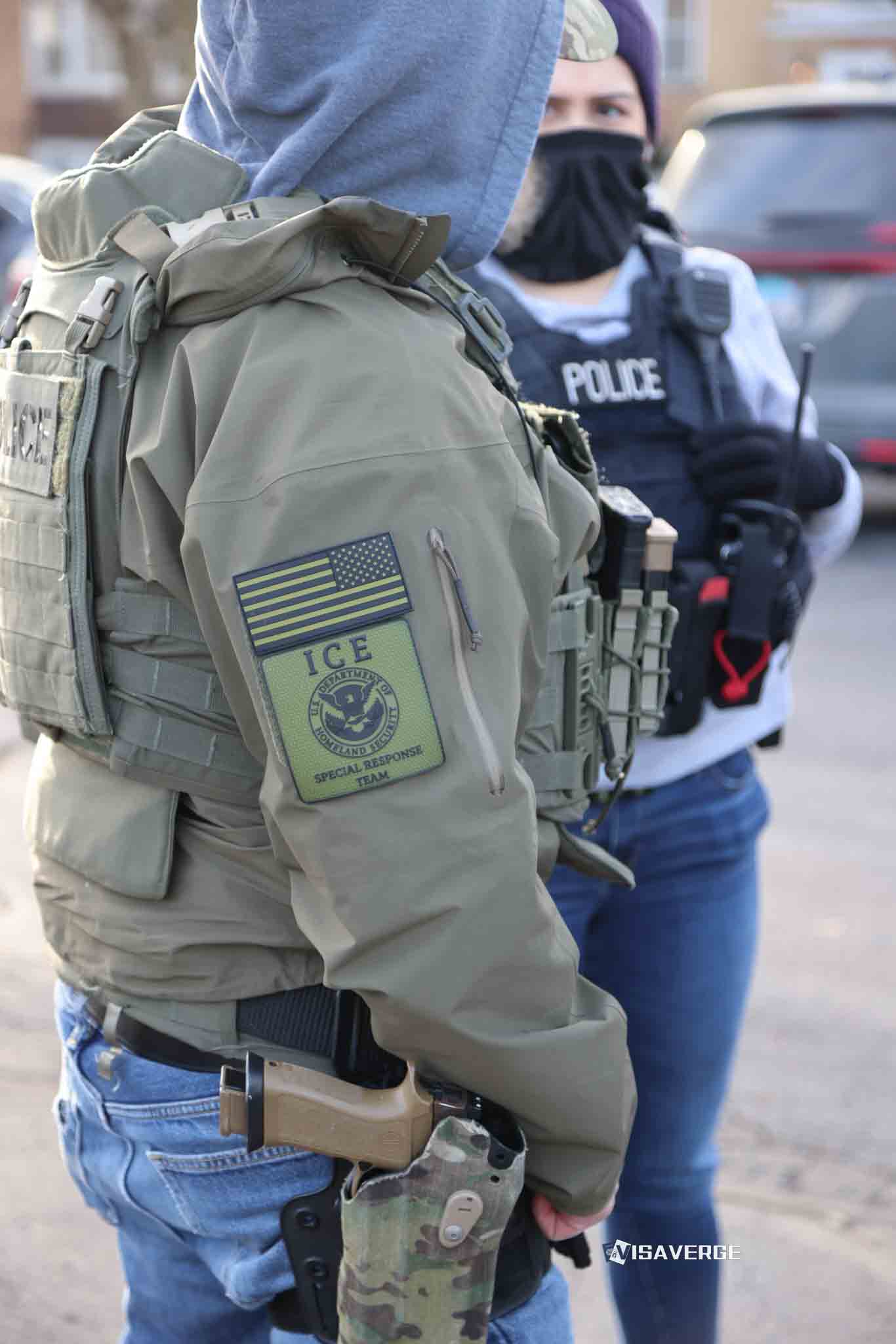
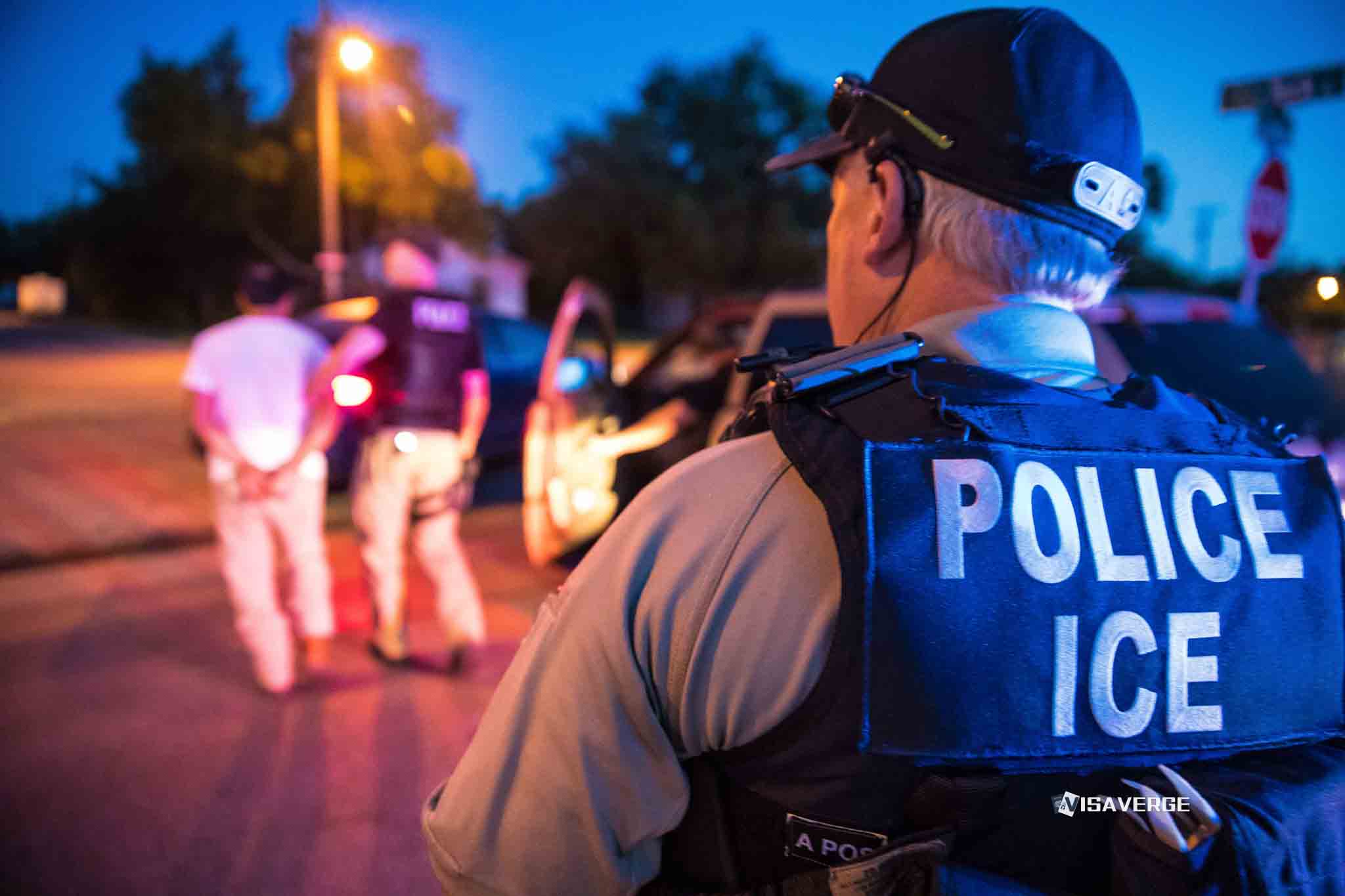
Operation Metro Surge began in December 2025 and grew into what court documents describe as the largest immigration enforcement effort to date, combining ICE, CBP and other Department of Homeland Security components in a multi-agency surge centered on the Twin Cities.
Early deployments included at least 100 ICE and HSI agents, then expanded to as many as 2,000 DHS agents assigned to the Twin Cities as the operation scaled up, filings said.
At its height across recent months, the surge exceeded 4,000 agents participating in activities that included immigration enforcement, fraud investigations and arrests, the filings said.
The drawdown matters now because it overlaps with active litigation and ongoing court oversight, including scrutiny of how agents conducted stops and arrests during the operation.
Staffing levels also matter because Minnesota’s ICE footprint ordinarily looks far different than a surge that brought in thousands of personnel from multiple federal components.
In regular operations, the St. Paul Field Office covers Minnesota, Iowa, Nebraska, North Dakota and South Dakota with about 190 ERO officers, with roughly 80 assigned to the Twin Cities, according to the filings.
That baseline staffing model shapes how many arrests can be processed, how quickly people can be transported or held, and how much pressure the work puts on local detention logistics and immigration court dockets, lawyers involved in the cases have argued in court filings.
By contrast, the surge posture combined personnel and resources from across DHS, including CBP and other components supporting ICE, to increase operational capacity in the metro area during the months-long push.
Minnesota officials and civil-rights lawyers filed separate lawsuits as the surge unfolded, challenging both the scope of federal activity and specific enforcement practices they say violated constitutional protections.
Attorney General Keith Ellison joined Minneapolis and St. Paul in filing State of Minnesota v. Kristi Noem et al. on January 12, 2026, in federal court. The case number is 0:26-cv-00190.
That lawsuit alleges First and Tenth Amendment violations, equal sovereignty breaches and Administrative Procedure Act violations arising from what the complaint calls “militarized raids,” excessive force and resource commandeering.
Minneapolis Police logged more than 3,000 overtime hours by January 9, 2026, and the overtime cost exceeded $2 million through January 11, according to the filings describing the state and city response to the federal operation.
The ACLU-backed case, Tincher v. Noem, was filed December 17, 2025, and later expanded through an amended complaint that added plaintiffs including TNG-CWA and Status Coup News, the filings said.
That amended complaint included more than 80 declarations describing alleged agent violence, pepper spraying, intimidation of journalists and protesters, and retaliation against recording activities during the operation, according to the filings.
Alicia Granse, a staff attorney at the ACLU of Minnesota, said the declarations represented a fraction of incidents, the filings said.
Judge Tostrud’s request for affidavits focused on how the drawdown could affect enforcement practices that plaintiffs challenge, with the court seeking sworn detail while assessing the need for relief before ruling.
The affidavits came from Marty Raybon, Sr., identified in the filings as CBP’s Lead Field Coordinator for ICE’s Metro Surge operation, and Sam Olson, ICE’s ERO Field Office Director in Minnesota.
Raybon and Olson submitted their sworn statements in response to Tostrud’s inquiry, laying out the government’s account of staffing plans and what presence federal authorities expected to maintain as the surge scaled back.
The filings tie the drawdown timeline to the end of the week of February 25, 2026, and describe the remaining presence as a mix of ERO officers and Homeland Security Investigators for continuing work tied to the operation.
Sworn affidavits can shape how courts evaluate requests for temporary restraining orders and preliminary injunctions, because judges often rely on declarations and affidavits to build a factual record quickly when deciding whether immediate limits on government conduct are warranted.
Beyond staffing disputes, lawyers and advocates involved in the litigation have raised on-the-ground allegations that they argue show how the surge affected people’s ability to prove lawful status, access counsel and challenge custody decisions.
One set of allegations involves document seizures and delays returning papers that detainees and attorneys say are critical to navigating the immigration system.
Maria Miller, chair of AILA Minnesota-Dakotas, reported that ICE detained individuals despite valid papers and then failed to return work permits, IDs and other documents after release, affecting 35 of her clients, according to the filings.
Missing documents can complicate immigration court hearings, bond requests and employment verification, attorneys have argued, because individuals often rely on physical proof of identity or work authorization after release.
The filings also describe a dispute over attorney access at the Whipple Federal Building, where lawyers said DHS and ICE blocked visits and took other actions that impeded representation.
A federal court issued a temporary restraining order against DHS and ICE related to blocking lawyer visits at the Whipple Federal Building, transfers and what the filings describe as pressure to self-deport.
Skye Perryman, president and CEO of Democracy Forward, called the order a win against “overreaching” enforcement, according to the filings.
Separate disputes surfaced over the accuracy of detainer-related claims during the surge, touching on how state and federal agencies share information and how custody decisions get made.
Minnesota’s Department of Corrections disputed DHS claims of 1,360 ICE detainers on “criminal illegal aliens,” according to the filings.
DOC officials said they found no verified DOC violations and criticized inaccuracies in DHS “Worst of the Worst” lists that the filings said conflated prisons, jails and records.
The detainer dispute became part of broader arguments about whether public characterizations matched verifiable records, and whether errors could affect coordination and decisions about who remains in custody.
In immigration enforcement, detainers can become a flashpoint because they intersect with jail and prison systems and can influence transfers and release timing, making accuracy a central point of contention when state agencies contest federal assertions.
The court record also reflects judges pushing back in individual cases tied to the document-return allegations.
Immigration Judge Laura Provinzino held the government in contempt for non-compliance in the Rigoberto Soto Jimenez case, according to the filings describing what attorneys said happened when documents were not returned.
Operation Metro Surge has drawn scrutiny not only for its size but also for the tactics alleged in court, with plaintiffs in Tincher v. Noem urging the judge to treat the surge as an urgent civil-rights matter rather than routine enforcement.
Those filings ask the court to weigh whether the operation produced unconstitutional stops or arrests, including claims framed as racial profiling, and whether court intervention is needed even as staffing falls.
The drawdown described in the affidavits reduces the surge footprint in Minnesota, but the filings show that neither lawsuit turns solely on the number of agents now assigned.
Minnesota’s case challenges what state and local plaintiffs describe as federal actions that commandeered resources and shifted burdens onto city services, while the ACLU case presses civil-rights claims tied to specific encounters and practices during the operation.
In administrative terms, the post-surge posture described in filings points back toward the region’s ordinary staffing model under the St. Paul Field Office, rather than a sustained multi-component influx.
Even with fewer personnel, the court disputes over documents, attorney access, alleged retaliatory conduct and contested detainer representations remain active questions for judges considering evidence already submitted.
Judge Tostrud must now weigh the affidavits alongside declarations and other filings as he considers next steps in Tincher v. Noem, a process that will help determine whether further court orders govern how federal agents conduct enforcement in Minnesota after the surge winds down.
Operation Metro Surge Ends as ICE Draws Down, Courts Hear Racial Profiling Claims
Operation Metro Surge is winding down in Minnesota following a massive deployment of 4,000 federal agents. Court filings indicate a return to near-baseline staffing levels by late February 2026. However, federal judges are still investigating claims of civil rights violations, including racial profiling and the withholding of legal documents from detainees. The outcome of two major lawsuits will determine future federal enforcement protocols in the state.