- New Zealand has deployed two C-130J Hercules aircraft to the Middle East for potential emergency evacuations.
- Evacuation plans focus on moving citizens to regional hubs rather than flying them directly back home.
- Officials urge citizens to register on SafeTravel to assist consular teams with identification and triage.
(NEW ZEALAND) — New Zealand deployed two NZDF C-130J Hercules aircraft to the Middle East region as of March 5, 2026, as a contingency for potential evacuations as the regional security situation shifts quickly and governments scramble to move citizens.
Foreign Minister Winston Peters and Defence Minister Judith Collins announced the pre-deployment alongside consular staff, framing it as a readiness move rather than an active evacuation and warning that operations could change with little notice.
Officials said New Zealand would not fly into Iran and would not fly evacuees directly back to New Zealand, instead moving people to safer regional hubs for onward commercial travel once conditions allow.
Airspace restrictions, security threats and rapid changes on the ground have complicated planning, with officials stressing that aircraft availability does not guarantee access to airports or permission to enter airspace when the situation deteriorates.
New Zealand’s planning comes after airspace closures and airstrikes following Israel’s and U.S. attacks on Iran, Iran’s retaliation, and strikes on Gulf states and Israel, developments that have disrupted travel and stranded travellers across the region.
Governments have used a mix of military flights, charter aircraft and land exits through nearby states, with corridors mentioned by governments including routes via Oman, Egypt, Saudi Arabia and Turkmenistan, while commercial carriers resumed limited services on some routes.
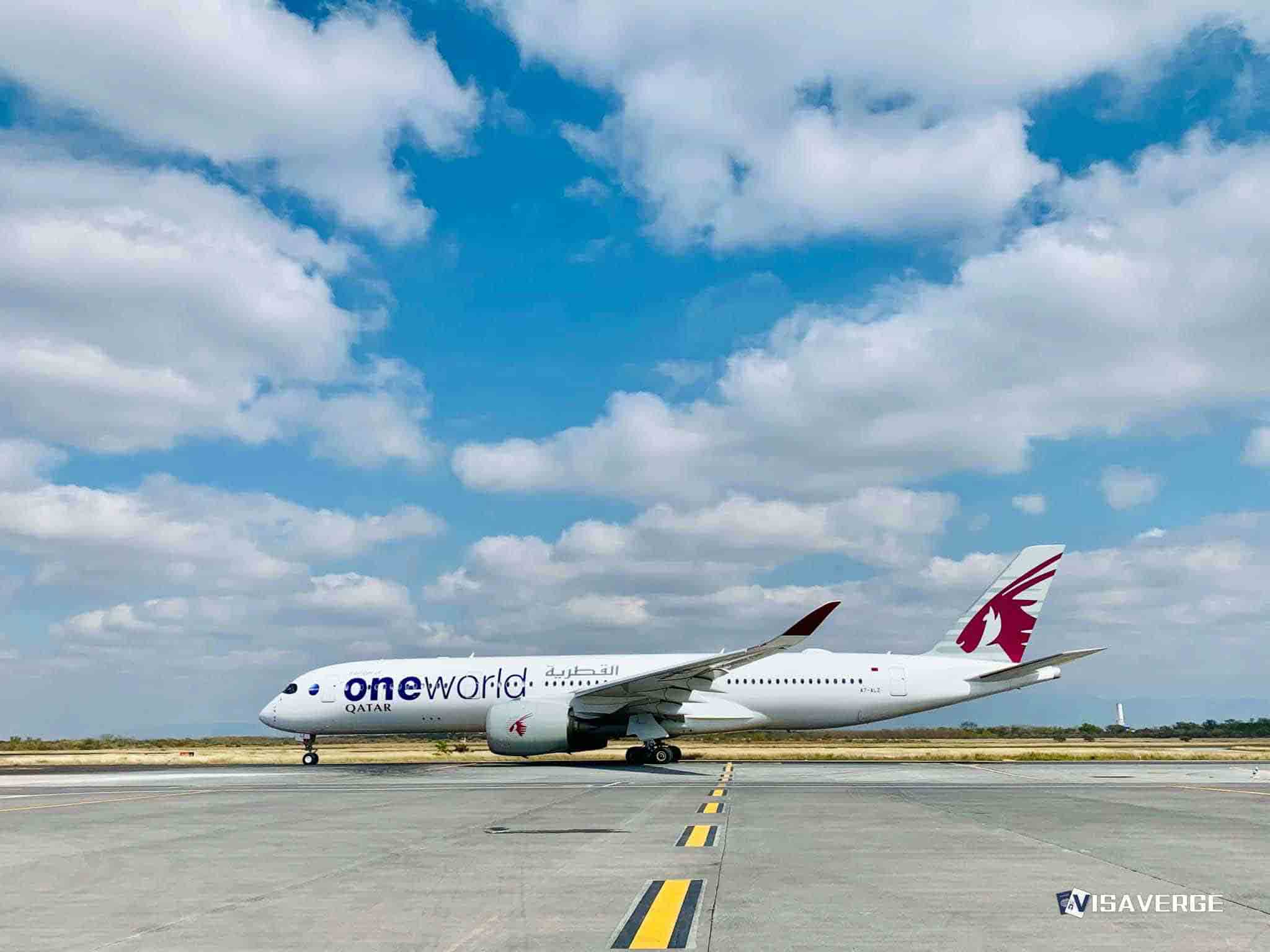
Qatar Airways announced repatriation flights from March 7 to London Heathrow, Paris CDG, Madrid, Rome and Frankfurt, prioritizing vulnerable passengers, an example officials pointed to as travellers weigh whether to move on commercial options or wait for government-assisted departures.
New Zealand officials urged citizens to register on SafeTravel and share detailed information that can help consular teams locate and triage people as conditions shift, including passport details and status information.
MFAT asked registrants to provide passport number, date of birth, gender, place of birth and visa status, and directed urgent cases to a 24/7 consular emergency line at +64 99 20 20 20.
Officials also stressed that sheltering in place or using resuming commercial flights may be recommended depending on conditions, and cautioned that NZDF flights may be constrained by security threats and airspace permissions even if aircraft and crews are positioned nearby.
Peters and Collins said the aircraft would support an approach built around moving people to safer regional hubs, where onward travel typically relies on commercial bookings and documentation rather than government flights all the way home.
At the time of the update, New Zealand reported no completed evacuations, while positioning the aircraft and consular staff for quick action if operating conditions and permissions allow.
Consular support can include identity verification, triage of vulnerable cases and coordination with partners as people move through hubs and transit points, while officials also noted charter discussions as part of contingency planning.
Across the region, other governments described a similar mix of assistance models, using hotlines and embassy support while advising citizens to register for updates and be ready to move when routes open.
The United States relied on a State Department assistance model and emergency communication channels, while Mexico announced government-organised evacuations and assistance, mirroring a wider pattern of combining official support with commercial travel when flights operate.
Britain and Ireland faced heavy demand for registration and leaned on hub-and-charter options, while France, Italy and Norway described a blend of military assistance, charters and embassy surge staffing to support citizens moving through transit points.
South Africa’s foreign ministry urged citizens to use limited commercial flights as plans were put on hold, reflecting how quickly operations can pause when permissions, security risk and airport access change.
Land exits remained central to many plans, including movements out of Israel via Jordan and Egypt, while some routes involved complex entry and visa considerations when transiting to third countries, including a land exit into Turkmenistan noted by governments despite Turkmenistan visa rules.
Israel’s Tourism Ministry ran buses to the Egypt border as part of facilitation measures tied to land crossings, and broader border movements continued as travellers sought routes out when airports and air corridors faced disruption.
Airspace restrictions shifted across several countries, with the UAE reporting a partial closure and Saudi Arabia reporting partial restrictions near Iraq and the Gulf, while Israel began a phased reopening for citizens from early March 5 and Jordan moved to 24-hour operations.
Officials and government statements cited operational hazards that can force sudden changes, including missile fire, airstrike risk, sudden NOTAM changes and airport congestion, factors that can delay or cancel departures even after travellers reach an airport.
New Zealand’s evacuation concept, officials said, rests on limited capacity and prioritisation if flights activate, with consular teams focused on reachable contact details, documentation readiness and flexibility as routes open and close.
Travellers should expect that onward travel from hubs may still require self-booking and that any government-assisted movement is likely to be shaped by security conditions, airport access and overflight permissions that can change rapidly.