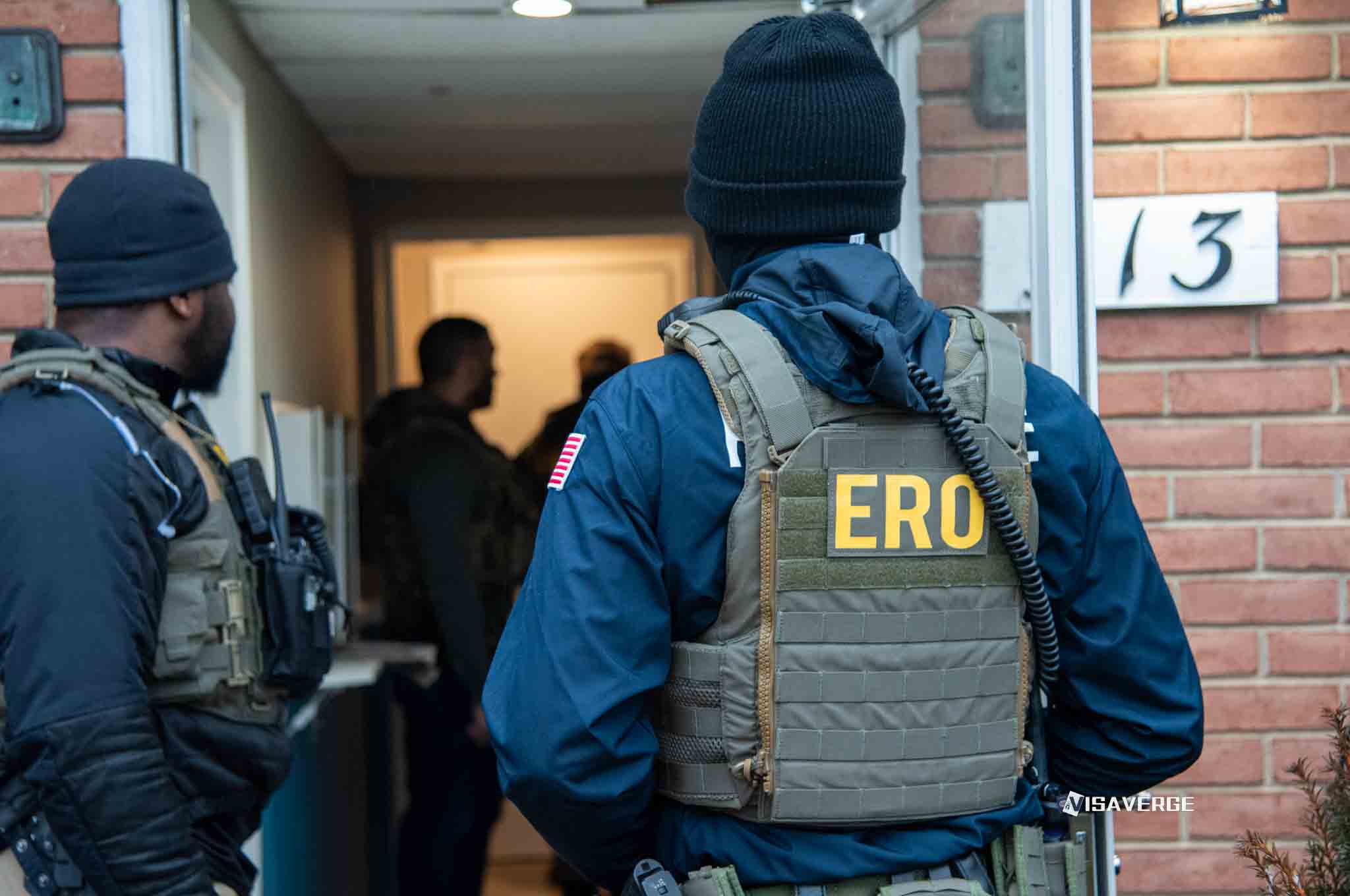
Gregory Bovino, the U.S. Border Patrol’s newly styled Commander-at-Large working under Homeland Security Secretary Kristi Noem and tasked with driving President Trump’s mass deportation push, triggered a storm this week after posting that “One must carry immigration documents as per the INA. A REAL ID is not an immigration document.” The claim, made on social media as he weighed in on the detention of a man identified as Mubashir, is flatly wrong under long-settled law: U.S. citizens are not required to carry papers proving citizenship while going about daily life in the United States 🇺🇸.
The Mubashir incident and immediate fallout
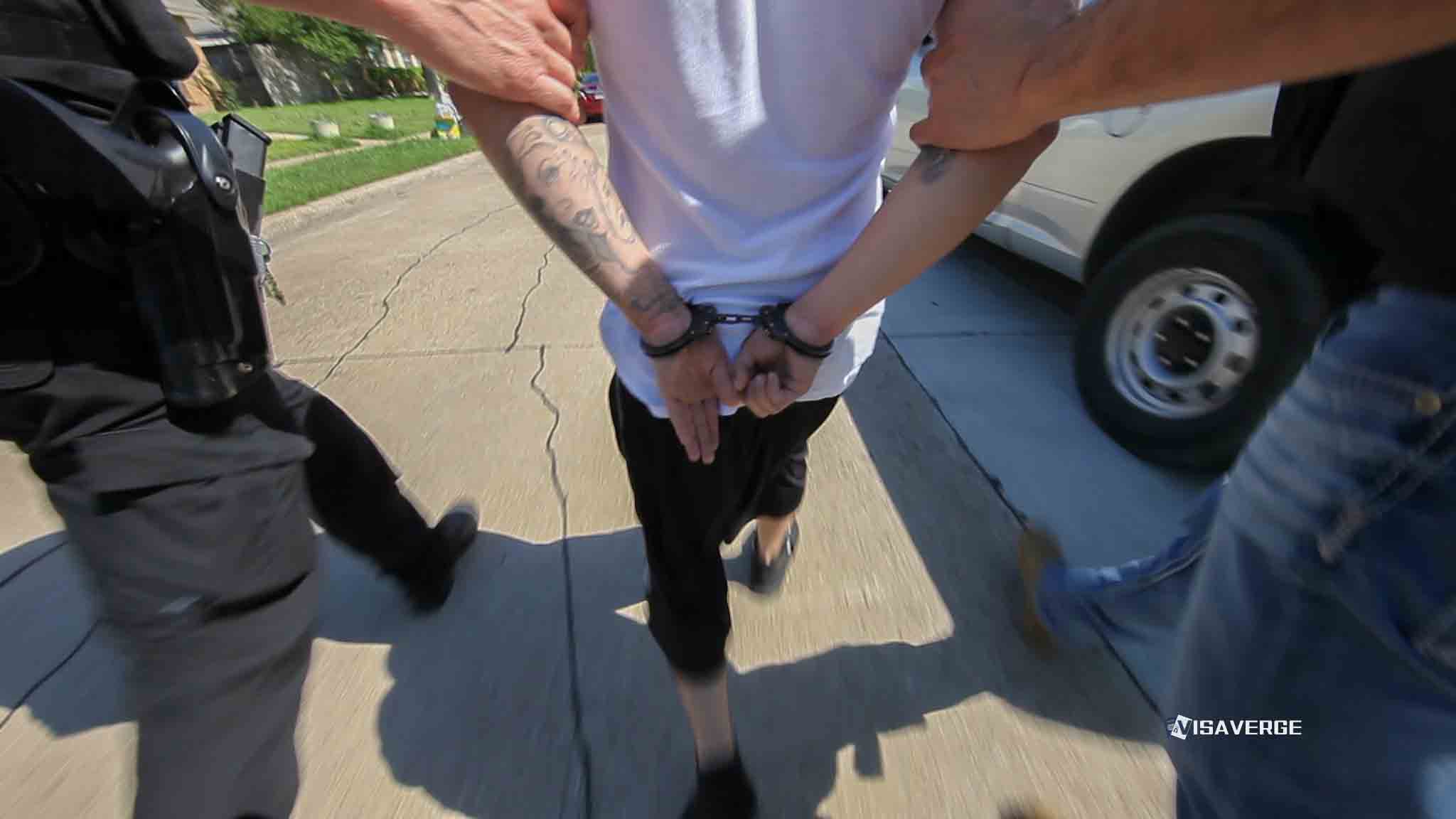
Bovino’s comment came as online discussion spread about Mubashir’s detention and release. According to the account circulating with the post Bovino replied to, Mubashir, a U.S. citizen, was taken to a federal building that houses an immigration court and Immigration and Customs Enforcement offices. He was released only after agents took his fingerprint and he showed his identification.
The episode has become a flashpoint in a broader argument about how immigration agents check citizenship before they detain people, and what happens when they get it wrong.
Why the distinction matters
Immigration lawyers and civil-rights advocates emphasize the crucial difference between:
- “must show ID when asked” and
- “must carry proof of citizenship at all times.”
They say Bovino’s framing invites street-level stops that can quickly turn into wrongful detention. The Immigration and Nationality Act (the INA) sets rules for foreign nationals, including some duties to register or carry certain documents. But those rules do not create a general “papers please” law for citizens.
Bovino offered no legal citation beyond the three letters INA, and online reaction was swift. VisaVerge.com reports the blowback was immediate, with many commenters calling the statement false and warning that it would scare citizens who look or sound like immigrants.
The real legal landscape is messy enough without a top enforcement official adding confusion.
Everyday realities vs. legal duties
In many everyday encounters, a person in the United States:
- Does not have to answer questions about immigration status.
- A citizen who has done nothing wrong is not required to carry a passport, birth certificate, or naturalization certificate when walking around.
- At the same time, people are often required to show ID in specific contexts, such as:
- driving (state-issued driver’s license)
- boarding domestic flights (REAL ID or other accepted ID)
- entering secure federal buildings
This practical reality makes it easy for a viral post to blur the line between convenience (or institutional policy) and legal duty.
Contradictions with official assurances
The Mubashir incident also landed amid a growing pile of accounts contradicting Secretary Noem’s public assurances. Noem said:
“there’s no American citizens have been arrested or detained,”
and argued that the administration focuses only on those “here illegally.”
But NPR and other outlets have reported multiple cases of U.S. citizens arrested or temporarily detained during immigration operations, raising questions about training, oversight, and how agents decide who to stop.
Examples cited in reporting
Among the cases cited are:
- George Retes, an Army veteran and U.S. citizen who was pulled from his car during a farm raid north of Los Angeles.
- Jason Brian Gavidia, a U.S. citizen who was handcuffed and held against a fence during a Border Patrol raid on a tow-truck yard.
While details differ, the common thread is the same: U.S. citizens can get swept up in enforcement actions, and release may come only after hours of delay, searches, handcuffs, or checks that feel punitive even when no charges follow.
Broader community impact and legal responses
Civil-rights lawyers say these experiences do not remain isolated. They ripple through workplaces and neighborhoods, particularly in Latino communities where fear spreads that skin color, accent, or speaking Spanish may be treated as probable cause for suspicion.
Key points:
- Multiple lawsuits have been filed, including cases brought by the American Civil Liberties Union alleging racial profiling of Latino U.S. citizens.
- Some plaintiffs seek compensation for alleged civil-rights violations.
- Lawsuits aim to:
- force clearer rules for agents, and
- impose stronger limits on whom agents may detain.
These cases are ongoing and working their way through the courts.
Citizenship is a status, not a card
Bovino’s emphasis on “immigration documents” collides with a basic point many Americans learn only during a crisis: citizenship is a status, not a card in your wallet.
- People prove citizenship in different ways depending on life circumstances:
- birth in the United States,
- birth abroad to U.S. parents,
- naturalization after immigration.
- There is no single universal “citizenship paper” every citizen carries.
- Demanding such paper in daily life can trap people who don’t keep originals on them or who have complicated records, including:
- evacuees,
- foster youth,
- older adults born at home.
What federal law actually requires (narrow contexts)
For readers separating viral claims from actual rules, note that federal law does require document inspection in specific contexts.
- When people “apply for admission” at a port of entry, officers inspect documents and identity under regulations in the immigration code.
- The government’s electronic Code of Federal Regulations sets out those inspection rules at: eCFR, 8 CFR § 235.1.
This is a far cry from saying citizens inside the country must carry proof of citizenship at all times, and it does not settle when immigration agents can detain someone away from the border.
What happens next
What follows may depend less on Bovino’s post and more on whether the administration responds to cases already on record.
- Critics argue that Noem’s “no American citizens” line and Bovino’s “must carry” claim send a similar message: that wrongful detention is either not happening or is the citizen’s fault for not carrying the right paper.
- Supporters of tougher enforcement say agents must make quick calls at crowded worksites and roadside stops, and that identity checks are a tool in stopping unlawful entry and visa overstays.
For U.S. citizens caught in the middle, the consequences are concrete:
- It can be the difference between going home and spending the day in handcuffs while someone decides whether your name belongs in an immigration database.
- For many families, that fear shapes daily errands and work routines.
Key takeaways
- Bovino’s claim that citizens must carry immigration documents is incorrect under settled law.
- There are narrow contexts (e.g., ports of entry) where document inspection is required — see eCFR, 8 CFR § 235.1.
- The issue raises larger concerns about training, oversight, racial profiling, and the chilling effect of enforcement actions on everyday life for many communities.
A high-ranking Border Patrol official’s claim that U.S. citizens must carry immigration documents has been debunked by legal experts. The incident highlights a growing disconnect between administration rhetoric and established law. While specific rules apply at borders, citizens are not required to carry proof of citizenship domestically. This misinformation fuels fears of racial profiling and has led to multiple lawsuits following the wrongful detention of American citizens.