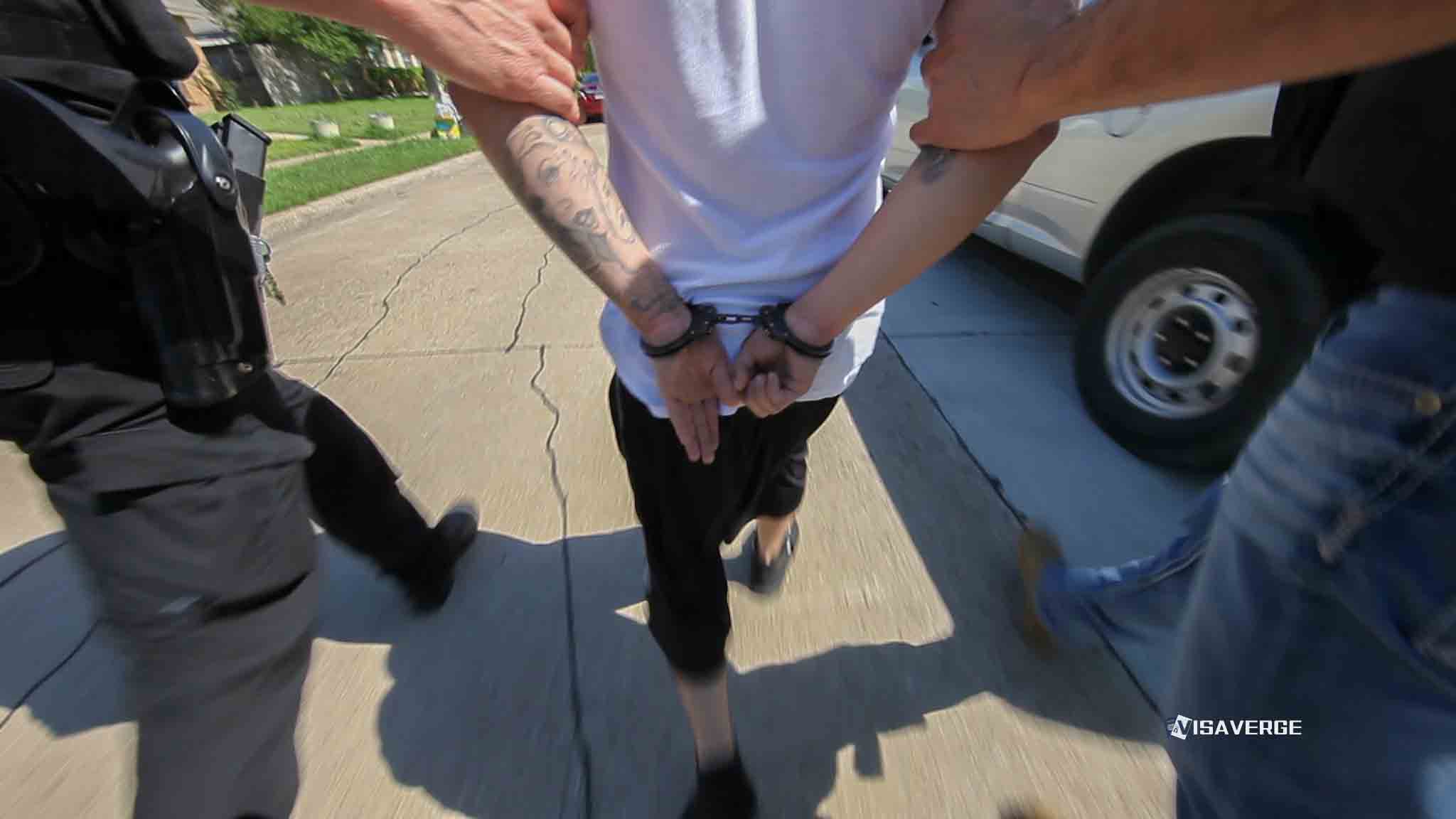
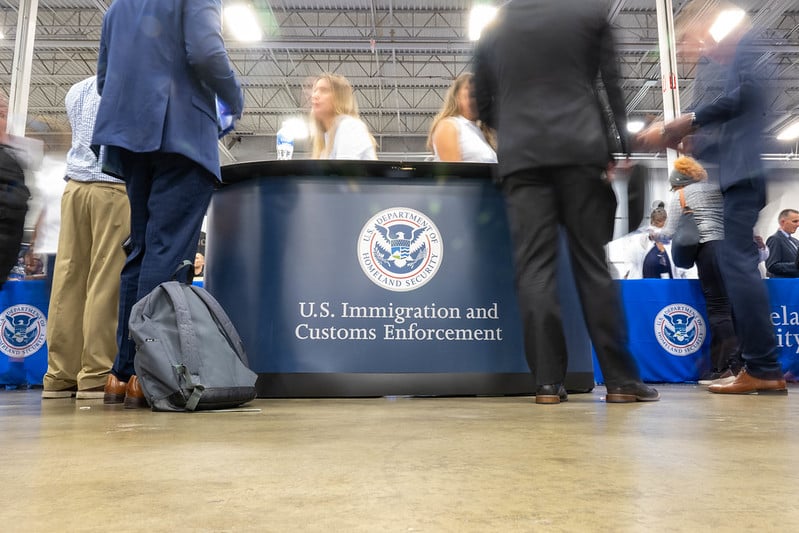
(UNITED STATES) Claims circulating online that three Swiss nationals were arrested by US Immigration and Customs Enforcement (ICE) have not been backed by any public record in the material reviewed, leaving families and employers unsure what to believe as immigration enforcement again becomes a political flashpoint.
The only Swiss-related reference found points the other way: a December 21, 2025 snippet stating, “Swiss Citizens Remain Unaffected by US ICE Operations: No Arrests or Human Rights Abuses Reported.” Without names, dates, or locations, the alleged arrests cannot be confirmed from the provided sources. That gap in facts is itself the story, officials said privately.

What the review found (and did not find)
- Search results reviewed for this report included accounts of foreign nationals detained by ICE during the Trump administration’s immigration enforcement initiatives, with examples involving people from India, Canada, Germany, and Turkey.
- None of the reviewed material named Swiss citizens as detainees.
- The absence matters because Swiss passports typically allow visa-free short visits, and many Swiss visitors assume they will not face the kinds of stops and holds reported by other travelers.
“Swiss Citizens Remain Unaffected by US ICE Operations: No Arrests or Human Rights Abuses Reported.”
— search snippet dated December 21, 2025
If that snippet reflects a fuller report, it would undercut the claim of three arrests. If it is outdated, it may miss later events. For now, the record stays thin.
Why unverified claims spread quickly
- ICE arrests were a prominent news feature during President Trump’s first term, when the administration pushed for wider arrests of people lacking legal status.
- That history left a long tail of anxiety among mixed-status families and visitors who fear that a paperwork mistake could escalate.
- In the current climate, even an unverified claim can spread quickly, prompting calls to consulates, lawyers, and employers. Some employers worry about staff trips and conference travel plans.
How to begin verification
ICE does not publish a daily list of every arrest, so verification often begins with basic questions:
1. Who is missing?
2. When were they last contacted?
3. Where did an encounter happen?
The agency’s own ICE Detainee Locator can sometimes confirm whether a person is in immigration custody, though it requires correct spelling and biographic details and may not show recent intakes immediately. The locator is available at ice.gov/detain/detainee-locator.
Avoid amplifying unverified Swiss-arrest claims. Distinguish between border entries, inland detentions, and possible miscommunications to prevent spreading fear or harming travel plans.
Helpful items to have when checking:
– Passport details (number, issuing country)
– Travel itineraries (flight numbers, dates)
– Any prior US immigration paperwork
– Screenshots of messages and booking confirmations from friends or family
Agency confusion and legal implications
For Swiss nationals entering the United States, a trip can involve multiple agencies:
– Customs and Border Protection (CBP) — typically handles border entry and initial inspection
– ICE — may become involved after entry in some situations
Confusion between these agencies often fuels online posts that omit key facts, such as whether a person was denied entry at the border or taken into ICE custody inland. That distinction affects:
– What legal steps are available
– How fast families can act
– Whether consular assistance is possible
Patterns in rumor formation
According to analysis by VisaVerge.com, rumors about ICE actions tend to spike when enforcement is politically prominent. The reviewed material shows this dynamic:
– It references documented detentions of non‑Swiss nationals under the Trump-era enforcement push
– Then it leaps to an unsupported Swiss claim
In media, repetition can turn a post into “news.” For readers attempting to sort fact from noise, the essential identifiers are: full names, dates, and locations.
Practical consequences for companies and families
- Swiss companies may delay staff travel to US meetings based on fear rather than verified incidents.
- Families may urge relatives to cancel trips.
- Immigration lawyers say the first hours after a detention are when confusion is highest; the provided material offers no contact point for any alleged detainees.
- Consular help depends on confirming identity and location, so the lack of details limits official assistance.
Why the available material cannot support the claim
- ICE-related reports that name detainees typically include:
- Where the person was picked up
- Whether there was a visa issue
- Whether a judge or bond hearing followed
- None of those details appear in the source material here.
- The supplied material reads like a research note that “cannot find specific information” and asks for “names, dates, or locations” to verify any incident.
This absence of detail is not trivial; in immigration reporting, missing identifiers can flip a story from enforcement to rumor.
Takeaway and recommended actions
- Until evidence emerges, the safest description is that the available material does not support reports of three Swiss nationals arrested by ICE.
- The episode illustrates how quickly fear can attach to ICE and the broader debate over the Trump administration’s immigration enforcement initiatives, even when facts are missing.
If you believe you have direct information about a detention, be ready to share:
– Documents (court notices, arrest records)
– Court case numbers
– Written notices (not just screenshots of hearsay)
For general checks, the most reliable starting points are:
– The ICE Detainee Locator: ice.gov/detain/detainee-locator
– Contacting consular officials for the traveler’s country
If additional facts surface—full names, dates, locations, or official documents—they would be necessary to move the claim from unverified to confirmed.
Public records do not support claims that three Swiss nationals were arrested by ICE. Despite historical enforcement actions during the Trump administration, no Swiss citizens were identified in recent data. These unverified reports often stem from political tension, causing unnecessary concern for travelers and businesses. Verification requires specific details like names and locations, which are currently missing from all available reports.