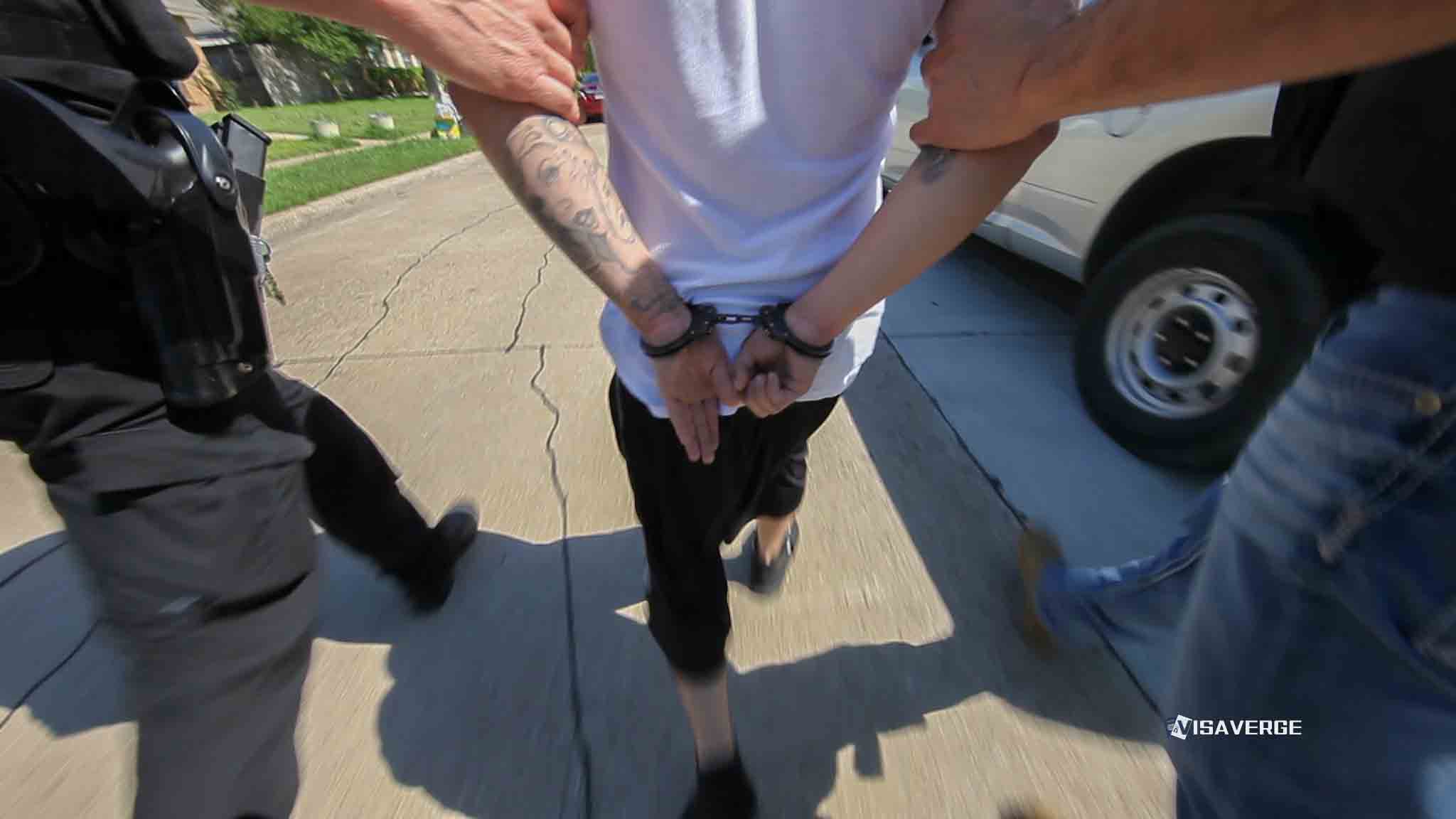
(SAN FRANCISCO, CALIFORNIA) Attorneys for detained immigrants say ICE has shown no clear sign it has fixed harsh conditions inside its San Francisco holding cells at 630 Sansome Street, even after a federal judge ordered immediate changes this month. The lawyers say people are still being kept for long stretches in what the court described as unsafe, makeshift confinement, raising fresh questions about whether the agency will follow the order quickly or fight it while arrests continue under President Trump’s enforcement push.
Court ruling and required fixes

The December ruling came after the court found that ICE “routinely holds individuals for longer than 12 hours, and in some cases more than 72 hours,” at the San Francisco Field Office holding facility, despite the setting being designed for short stays.
Judge Pitts ordered ICE to immediately provide:
- Clean bedding
- Space to sleep
- Dimmed lighting between 9 p.m. and 7 a.m.
- Hygiene products
- Prescription medications
- Medical screenings
These were described by the court as basic steps needed to meet constitutional protections for people in custody.
Short stays can still involve unsafe conditions. When detainees enter, insist on basic care: bedding, a way to sleep, access to hygiene items, and timely medical screenings to prevent avoidable harm.
Attorneys’ claims about ongoing conditions
In filings and public statements, attorneys make a central claim: the court’s list of fixes is not being carried out in a way that changes daily life inside the holding cells.
For people who arrive after being arrested at immigration court, the difference between a short administrative stay and a multi-day confinement can be the difference between a stressful night and a health crisis.
Lawyers say delays also make it harder to contact family and counsel, because people can be moved or held without the normal access points that exist at larger detention centers.
The lawsuit: who filed it and what it alleges
- Filed: September 18, 2025
- Plaintiffs: A coalition including the ACLU Foundation, Centro Legal de la Raza, and Keker, Van Nest & Peters LLP
- Primary challenge: The Trump administration’s policy of arresting immigrants at immigration courts and detaining them in the San Francisco holding cells
The suit argues the facility has operated like a detention center but without the basics:
- No beds
- No basic hygiene supplies
- No medical care
- No real access to legal counsel
The case spotlights what happens after courthouse arrests, when people can disappear into a short-term system that was never built for long-term stays.
Judge’s findings: detailed and severe
Judge Pitts’ description of the conditions included:
“Denial of beds or mattresses, continuous lighting, and maintenance of frigid temperatures without providing blankets,” along with “unsanitary conditions and denial of basic hygiene resources.”
The order also pointed to:
- Lack of medical intake or prescription medications
- ICE’s failure “to consider requests for medical attention that are not made in English”
Attorneys who visit clients after release or transfer say the findings match months of reports: people sleeping on floors, staying under bright lights, and struggling to get soap, toothpaste, or needed medicine.
ICE’s position and the crux of the problem
ICE has long argued that short-term holding areas are not meant to function like full detention facilities. The judge’s order, however, reflects the court’s view that basic care is required no matter what the space is called.
The key pressure point is length of detention:
- If people were held only a few hours, a lack of bedding and showers might be a processing delay.
- Once detentions run beyond 12 hours — or into days — the same conditions can become dangerous, especially for people with:
- Chronic illness
- Pregnancy
- Disability
- Trauma tied to past custody
Policy context and broader effects
The court did not suspend the June 2025 nationwide policy that waived ICE’s own 12-hour detention limit. Plaintiffs say that policy was enacted to support the administration’s quota of 3,000 daily arrests.
Implications:
- As long as the wider policy remains in place, people can keep landing in the holding cells even if the location is unfit for long stays.
- The court ordered both sides to submit a plan to resolve the challenge quickly, which attorneys read as a sign the judge expects fast progress and may take further action if conditions do not change.
Impact on court attendance and communities
For immigrants who must appear in court, the case has fueled new fear around routine hearings.
- Plaintiffs say the government has turned immigration courts into arrest sites, which can deter people from showing up even when the law requires attendance.
- Missing court can trigger an in-absentia removal order, cutting off future legal options and risking sudden family separation.
Policy context matters: even with a 12-hour limit, nationwide rules may permit longer holds. Stay informed about updates from advocacy groups and file timely legal challenges if conditions persist.
In cities like San Francisco, where many immigrants have lived for years, the ripple effects can spread to:
- Employers
- Schools
- Health clinics
When people stop traveling to appointments or public buildings out of fear, broader community services and institutions are affected.
Legal distinction emphasized by the court
ICE has not been accused of denying all care in every case; rather, the judge’s findings describe repeated, routine failures that add up to unconstitutional conditions.
That distinction frames the court’s demand: not occasional fixes, but a system that reliably provides:
- Bedding
- Sleep conditions
- Hygiene items
- Medication access
- Medical screenings
Advocates say compliance should be measurable and immediate, because each night in the holding cells is a new harm for whoever is inside.
Public visibility and monitoring gaps
Field office holding areas are harder to monitor than large detention centers, which often have published visiting rules and formal intake processes.
For official information about ICE detention operations and standards, ICE posts detention-related material on its website, including an overview of its detention management program at ICE Detention Management.
Attorneys argue that whatever the agency’s written policies say, the San Francisco holding cells have been operating in a way the court found unlawful when detentions stretch far beyond a brief processing period.
What happens next
Based on the court findings and attorneys’ statements, the next steps will likely depend on whether ICE can show real, documented changes inside the San Francisco holding cells while the lawsuit moves forward.
VisaVerge.com reports that court fights over short-term ICE facilities have become more common as enforcement shifts to courthouse arrests and faster transfers, leaving judges to decide how much hardship is too much in spaces built for paperwork, not prolonged confinement in the United States 🇺🇸.
Attorneys claim ICE is ignoring a federal court order to improve ‘appalling’ conditions at its San Francisco holding facility. Despite mandates to provide beds, medicine, and hygiene products, detainees are allegedly still held for days in makeshift cells. This legal battle highlights the friction between the administration’s high-volume arrest policies and the constitutional requirements for human treatment in short-term custody.