- Unverified claims suggest citizens are carrying passports daily due to increased ICE activity.
- New USCIS guidance targets 100 to 200 denaturalization cases per month starting October 2025.
- Intensified enforcement and TPS revocation for Somalis have heightened anxiety in Minnesota communities.
January 14, 2026 — Social media users and community advocates circulated warnings on Wednesday that more U.S. citizens are carrying passports on them amid stepped-up immigration enforcement, but no verified reports confirm a widespread trend of U.S. citizens changing daily habits for that reason as of January 14, 2026.
Recent coverage has focused instead on intensified enforcement activity and new guidance that could raise anxiety among naturalized citizens, dual nationals and some noncitizens, without documenting a broad shift toward citizens routinely carrying passports while running errands or commuting.
The claim has resonated alongside headlines about door-to-door operations and tougher scrutiny in some immigration processes, especially in communities that include naturalized Americans, mixed-status families and people who once relied on temporary protections.
denaturalization cases have become a flashpoint in that climate, because denaturalization is a legal process that can seek to strip citizenship from someone who was naturalized, typically through allegations tied to fraud or misrepresentation during the naturalization process.
The Trump administration’s internal USCIS guidance instructs field offices to identify 100 to 200 denaturalization cases monthly in fiscal year 2026, starting in October 2025, up from 120 total cases since 2017.
That guidance targets alleged fraud, gang ties, financial crimes and cartel links, according to the coverage summarized in recent reporting, and it has prompted warnings that old paperwork issues could be scrutinized years later.
Immigration attorneys and advocates have raised concerns that minor errors from decades ago could draw attention, even as denaturalization remains procedurally complex and does not operate like a routine street-level immigration check.
The fears are most acute among naturalized citizens and dual nationals who worry that heightened emphasis on reviewing past filings could make citizenship feel less secure, even when no new evidence shows a broad change in day-to-day documentation practices.
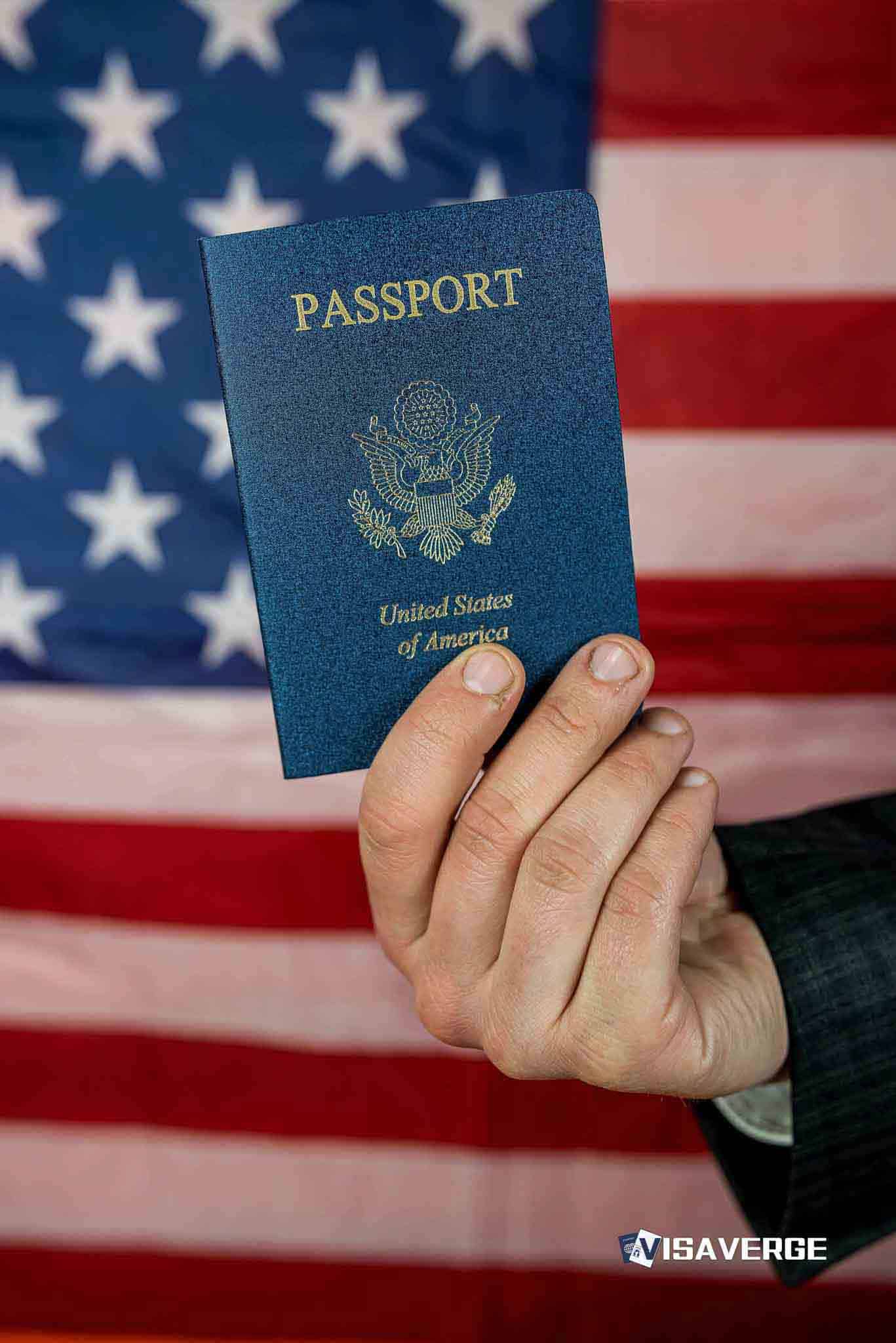
“Your passport may be blue, but your citizenship is no longer bulletproof,” one line circulating in recent coverage said, reflecting the tone of public anxiety rather than a verified national behavior shift.
Separate changes around travel have also sharpened attention on documentation among dual nationals, particularly at ports of entry where decisions are made in real time and records are compared across systems.
January 2026 updates described new CBP protocols at ports of entry that require U.S. citizens to disclose dual nationality, with enhanced screening for mismatched passport use, such as entering the U.S. on a U.S. passport after foreign travel.
In practice, that focus on mismatched documents can turn on which passport a traveler presents, whether identity information aligns across records, and whether past travel patterns match what officials expect to see, with outcomes varying by case.
The reporting described risks that include extra screening and potential administrative or legal consequences, including non-disclosure that can risk passport revocation or prosecution.
Other federal processes were also cited as adding pressure around consistency, including IRS automation of passport-tax return matching and security clearance rules that presume against active foreign citizenship, often requiring renunciation.
While those measures relate to border processing, tax matching, and clearances, the online “carry your passport” advice has often blended them into a single message that ordinary encounters could suddenly turn into an emergency for citizens.
Minnesota has emerged as a focal point for community fear because of heightened immigration activity and a separate policy change affecting Somali communities, even as the risks differ sharply for U.S. citizens versus TPS holders.
Border Patrol deployed 800 Border Patrol agents to the Minneapolis area as of January 13, 2026, as the federal government moved toward TPS revocation for Somalis effective March 17, affecting ~2,500 Somalis nationally and ~430 Somalis in Minnesota.
DHS has urged self-deportation in connection with that TPS shift, and coverage described tactics including door-to-door searches that intensified neighborhood alert systems and raised alarm across the Twin Cities.
Minnesota and Twin Cities officials have filed lawsuits linked to the enforcement activity, according to the reporting summarized in recent coverage, as residents used group chats and even honking to warn neighbors.
For TPS holders, the risk is tied to immigration status and deadlines, while U.S. citizens do not face removal proceedings based on lack of status, a distinction that has sometimes been lost in fast-moving community alerts.
Somali Minnesotans have been staying home out of fear, according to the coverage, reflecting a change in daily routines that is visible on the ground even as no reporting establishes that U.S. citizens are widely carrying passports on them day to day.
DHS spokesperson McLaughlin defended operational safeguards in a statement that addressed how agents conduct operations and the use of warrants.
“ICE does not randomly arrest people or conduct operations without specific objectives. Nor does federal law enforcement execute operations without undergoing proper procedure, such as securing warrants when necessary,” McLaughlin said.
Vice President JD Vance confirmed door-to-door efforts in a recent press conference, according to the same coverage, adding political visibility to tactics that have driven local rumor and rapid-fire advice-sharing.
Even with that confirmation, public statements have not resolved every on-the-ground question embedded in community alerts, and the repeated “carry your passport” message has often moved faster than verifiable reporting about what citizens are doing.
The gap between fear and evidence is clearest in the central claim itself: despite repeated posts and anecdotal warnings, no major outlet or official report has documented a broad pattern of U.S. citizens carrying passports on them specifically because of ICE activity.
Search results from January 11-13, 2026, showed no matching reports from major outlets or officials on this behavior, even as coverage detailed enforcement actions, new scrutiny for dual nationals, and the USCIS denaturalization targets.
The idea spreads easily because it fits a familiar social media advice culture, where people trade practical “just in case” steps, and because immigration enforcement news can blur lines between noncitizen vulnerability and citizen fears.
It also reflects confusion about what documents matter in which setting, from neighborhood encounters to border crossings, and how a denaturalization case differs from an immediate arrest or deportation action.
For dual nationals, the reporting has described a clearer connection between travel document consistency and possible scrutiny at ports of entry, but that is not the same as a verified trend of citizens carrying passports in their daily lives far from the border.
For naturalized citizens, the denaturalization emphasis can raise fears about past applications, but denaturalization cases are not described as random roadside actions, and they rely on a formal legal process.
The bottom line as of January 14, 2026, is that intensified enforcement and new scrutiny have driven anxiety among naturalized citizens and dual nationals, yet there is still no verified broad shift to U.S. citizens carrying passports on them because of ICE actions.
Future signals to watch include whether denaturalization filings match the stated targets over fiscal year 2026, how CBP implements dual nationality disclosure and mismatched passport screening in practice, and how the TPS changes for Somalis and related litigation unfold in Minnesota and beyond.
Reports of U.S. citizens carrying passports daily remain unverified despite high community anxiety. Current federal guidance has increased denaturalization targets and port-of-entry scrutiny for dual nationals. In Minnesota, the revocation of Somali TPS and a surge in Border Patrol presence have caused significant distress, though officials maintain that operations follow legal protocols and specific objectives rather than random stops.